Borġ in-Nadur Temple - Malta
A detailed, visitor-friendly guide .
Location & quick facts
- Where: Borġ in-Nadur sits on high ground between Wied Żembaq and Wied Dalam, overlooking St George’s Bay, near Birżebbuġa (Birżebbuġa / Birżebbuġa), southeast Malta.
- Coordinates: 35.831194, 14.52900 .
- Site type: A late Neolithic / Tarxien-phase megalithic temple with an adjacent Bronze Age settlement and early fortification features.
History & chronology
- Temple phase (Late Neolithic / Tarxien phase): The stone temple at Borġ in-Nadur dates to the end of the Maltese Temple Period, roughly c. 3000–2500 BC (often given as around 2500 BC for the Tarxien phase elements). The temple plan shows multi-apse chambers typical of late temple architecture.
- Bronze Age re-use and settlement: After the temple period, the site was reoccupied and transformed in the Bronze Age (second–first millennium BC). Excavations revealed domestic structures, silos, and evidence of fortification — Borġ in-Nadur is an important site for understanding the transition and continuity between the Temple Period and Malta’s Bronze Age. This Bronze Age phase gave its name to a “Borġ in-Nadur phase” in local periodization discussions.
- Longer use / abandonment: The site shows evidence of changing use over many centuries and was essentially abandoned by the end of the prehistoric sequence (classically cited dates run to the late 1st millennium BC for final prehistoric activity).
Archaeology & excavations
- Early investigators: Borġ in-Nadur first attracted antiquarian and early archaeological interest in the 19th and early 20th centuries (e.g., Antonio Annetto Caruana). In the 1920s Margaret A. Murray carried out important excavations that clarified differences between the Temple and Bronze Age layers.
- Major modern work: David H. Trump led focused excavations in 1959 to better understand phase relationships and to document the Bronze Age reoccupation and fortification evidence. Modern studies and syntheses (including university publications) have analysed Trump’s finds and subsequent survey work to reconsider the relationship between late Neolithic temple architecture and later Bronze Age use.
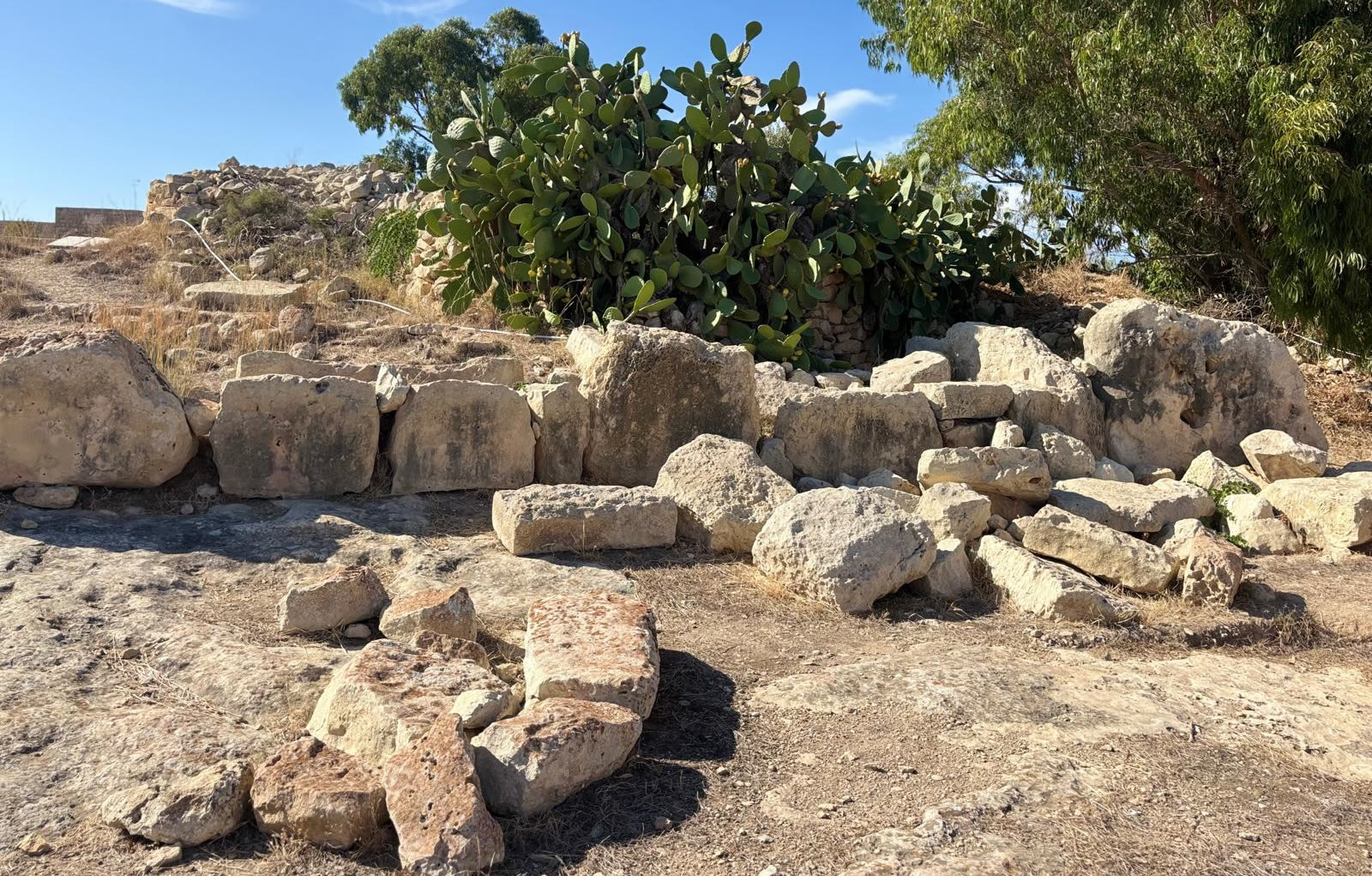
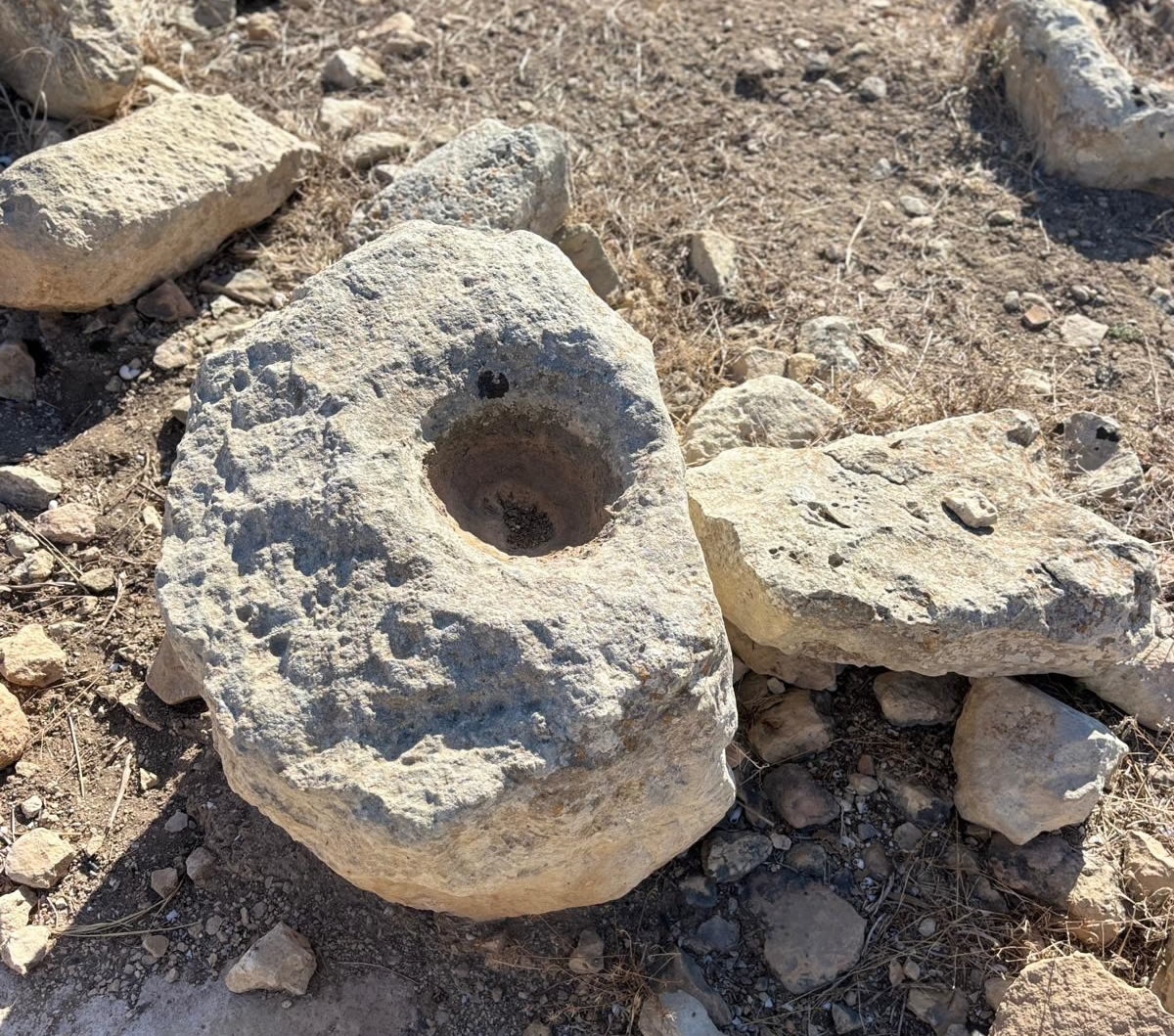
- Key finds: Excavations uncovered temple walling and apses (stone architecture), pottery (Neolithic and Bronze Age types), Bronze Age domestic structures, storage silos, and evidence interpreted as defensive or fortified features associated with the later settlement. These finds make Borġ in-Nadur one of the principal sites for studying Malta’s Bronze Age.
Layout & notable features
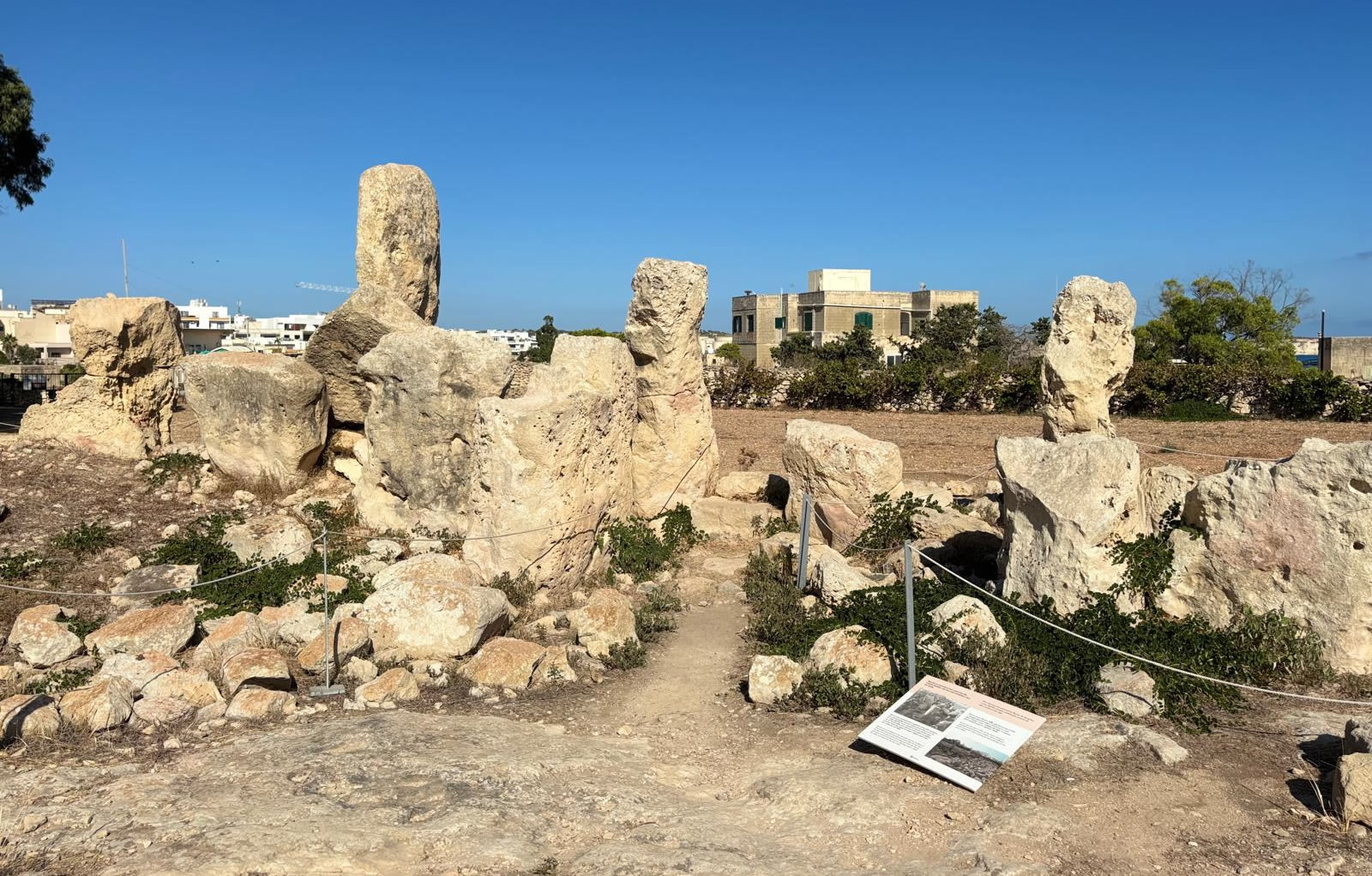
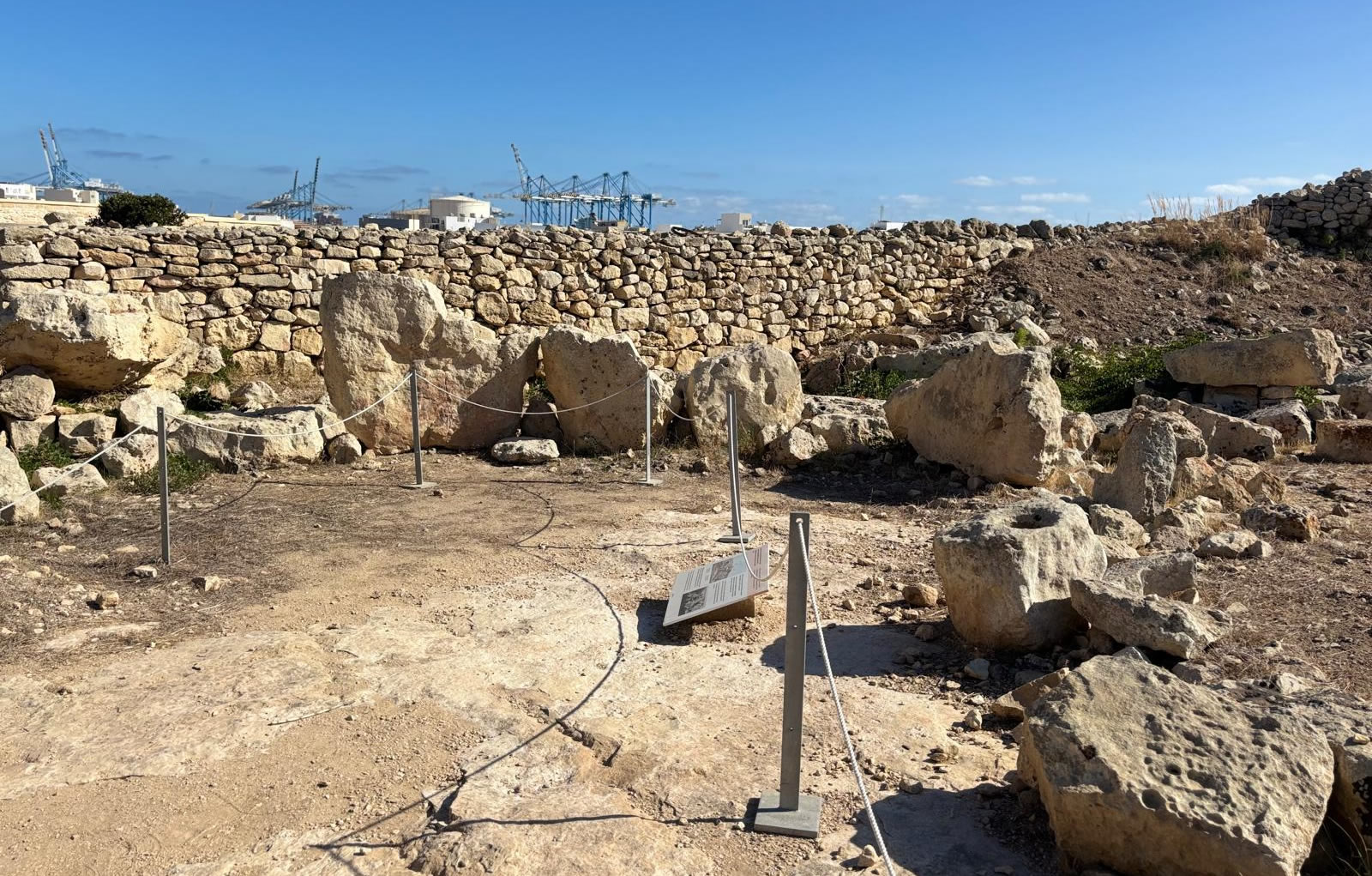
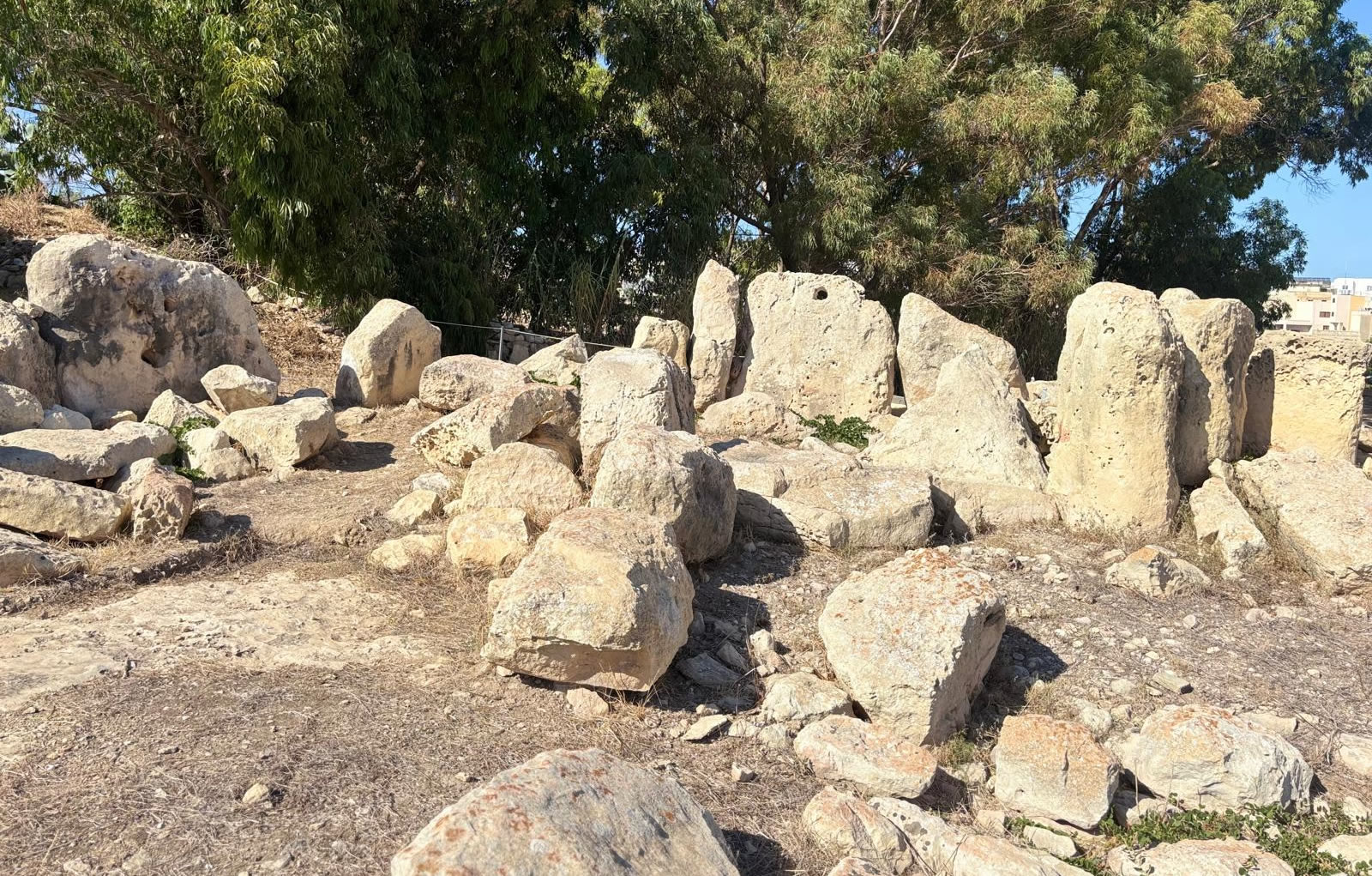
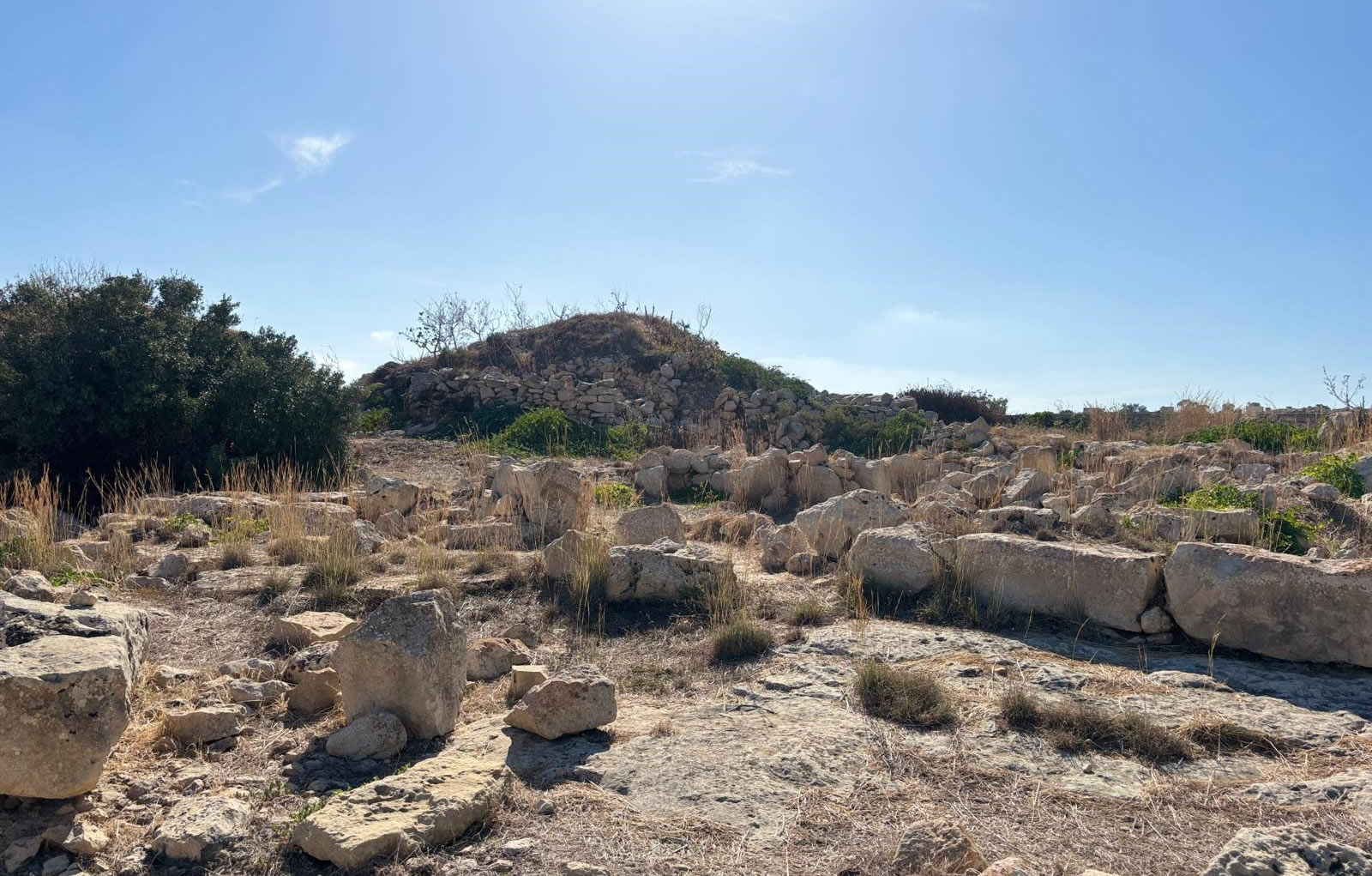
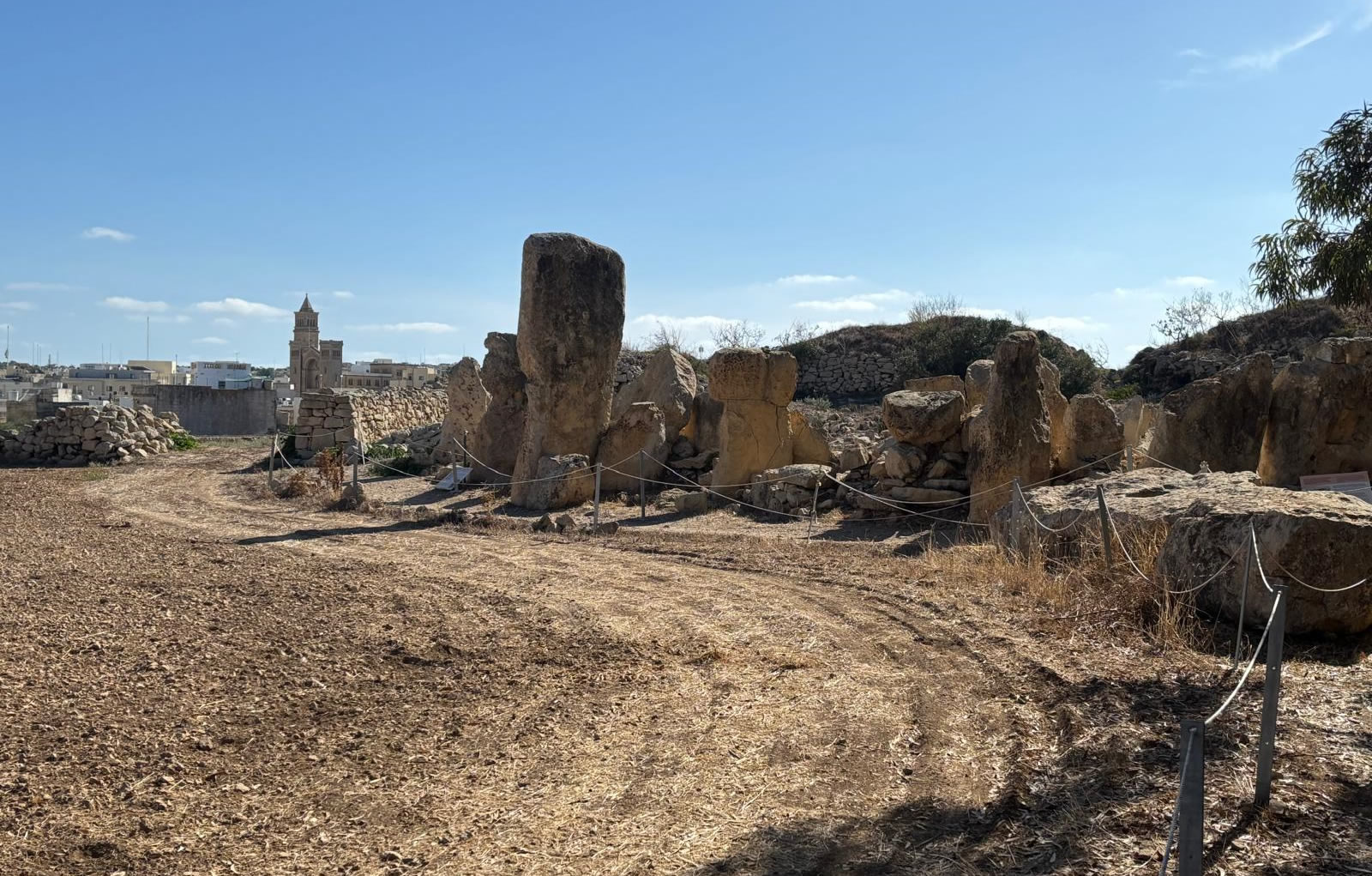
Temple architecture: The surviving temple fabric shows a multi-apse plan (often described as four apses) and an outer façade of large limestone orthostats. The ruins are fragmentary but recognizable as a late-temple type.
Bronze Age village & fortifications: Surrounding and overlaying the temple remains are Bronze Age domestic features and what has been described as Malta’s earliest evidence for fortification at a settlement — walls, defensive positioning on high ground, and enclosed areas for storage.
Landscape context & associated sites
Near Għar Dalam: Borġ in-Nadur is only about 500 m from the important palaeolithic / early Neolithic site of Għar Dalam, placing it within a rich prehistoric landscape. Nearby are Bronze Age cart-ruts, silos, and later historic features (e.g., a 18th-century Saint George redoubt on the shoreline).
Visiting today (access & practicalities)
Access:
The site is outdoors in open fields and is accessible on foot from Birżebbuġa; Heritage Malta and VisitMalta list visitor information (address: Sqaq In-Nadur, Birżebbuġa). It’s not a large show-site like Ħaġar Qim or Tarxien but is signposted and of interest for visitors who want quieter, less restored temple remains and a sense of the landscape. Check seasonal opening arrangements or guided-visit days (Heritage Malta runs open days / events sometimes).
Why Borġ in-Nadur matters
It bridges two crucial prehistoric phases in Malta: the late Neolithic temple tradition and a Bronze Age social/settlement phase, offering direct evidence for re-use and cultural change on the islands. It’s therefore central to debates on continuity vs. break between Malta’s temple builders and later Bronze Age communities.