Għajn Żejtuna: History & Location
Location
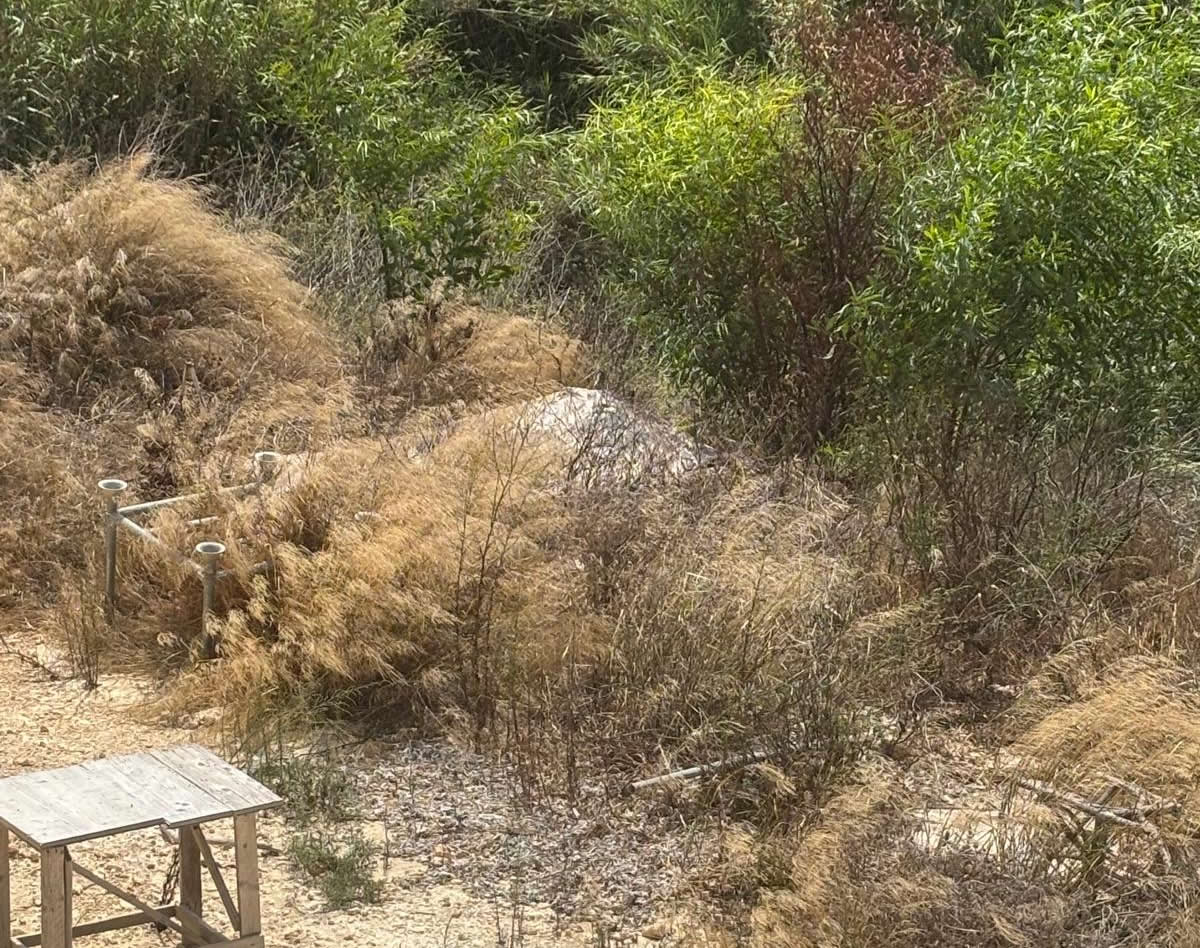
Għajn Żejtuna is a lesser-known megalithic temple located in the Mellieħa area in northwest Malta. Found near the coast, it lies within the rural valleys of the locality. There is very little left
Discovery & Archaeological Insights
The site was first reported in 1934 by Flight Lt. R. Forbes Bentley, who alerted the Museums Department to the ruins of a minor megalithic structure.
According to archaeological notes at the time, the ruins comprised three circular enclosures opening into a central rectangular space, with at least part of the outer wall still discernible.
Physical dimensions recorded included a circular enclosure roughly 3.3 m deep and 1.5 m wide, and the largest remaining megalith measured about 1.4 m tall, 1.6 m long, and 0.7 m thick.
Archaeologist J. D. Evans later categorized the remains as trefoil-shaped, similar in style to larger temples at Mġarr or Kordin III, though he noted significant erosion from the sea had damaged much of the structure.
Structural Layout & Condition
Bentley’s team described three circular enclosures converging into a central rectangular space, with an eastern entrance. The main enclosure measured 3.30 m deep and 1.50 m wide.
The largest standing megalith was approximately 1.40 m tall, 1.60 m long, and 0.70 m thick, while other stones were barely protruding from the soil.
J. D. Evans, about 25 years later, identified the remains as likely trefoil-shaped—similar to larger temples like those at Mġarr or Kordin III—but noted much of the structure was eroded by the sea.
Modern Rediscovery and Preservation
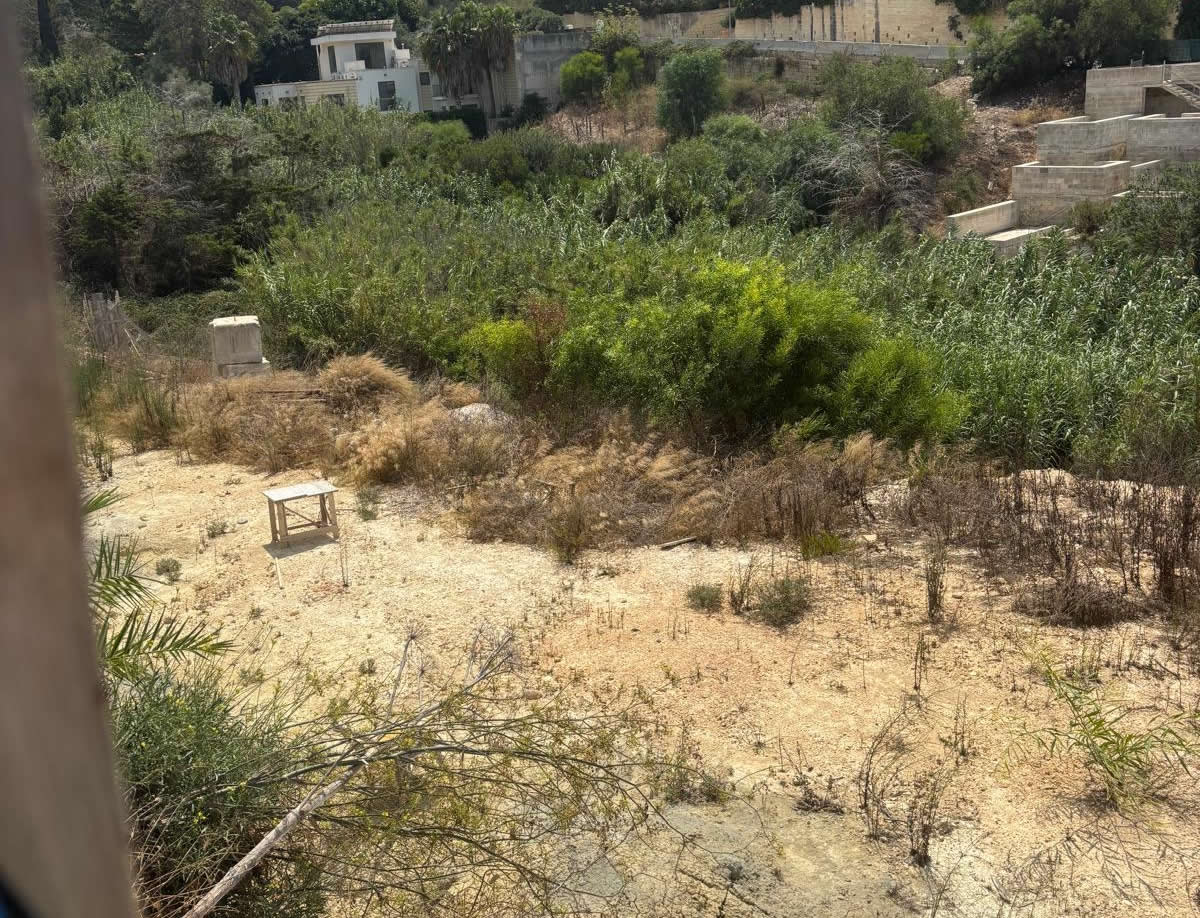
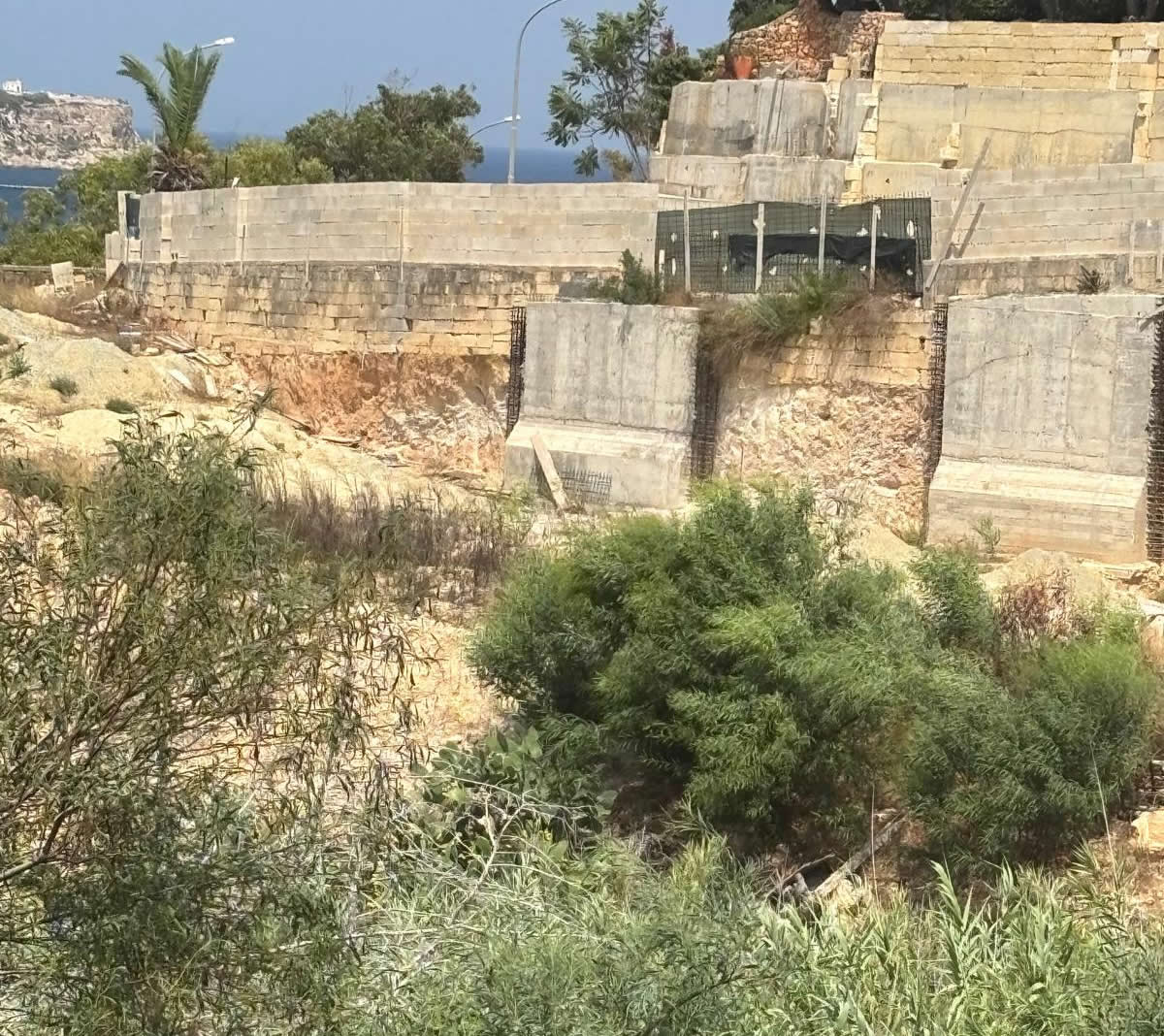
In more recent times, archaeologists Ernest Vella and the group Nixxieġa Kulturali rediscovered the site, though part of the temple had already been lost due to construction.
The surviving remains today include several large overturned megaliths and two apses, indicating a fragmentary but still significant remains of the original structure.
Context & Significance
While Għajn Żejtuna is not part of the officially inscribed UNESCO Megalithic Temples of Malta (which includes Ħaġar Qim, Mnajdra, Tarxien, Ta’ Ħaġrat, Skorba, and Ġgantija), it forms part of Malta’s broader Neolithic ritual landscape.
Neolithic Temple Culture
The temple-building tradition in Malta flourished during the Temple Period (c. 4100–2500 BC) and can be divided into several phases, starting from the Għar Dalam phase, followed by the Ġgantija and Tarxien phases.
Many temples follow trefoil designs (three apses), consistent with early Neolithic architecture.
Decline of the Temple Builders
The society responsible for constructing Malta’s temples is thought to have arrived around the 5th–4th millennium BC, potentially related to the Sicani of Sicily.
Around 2500 BC, temple-building abruptly ended. Explanations include environmental stress (like soil degradation), societal changes, or loss of resource sustainability.
Summary Table
| Aspect | Details |
| Name | Għajn Żejtuna (Nażżom ta’ Għajn Żejtuna) |
| Location | Near Mellieħa, northwest Malta coastal valley |
| Discovery | Reported 1934 by Lt. R. F. Bentley |
| Structure | Trefoil-style: three circular enclosures around a central rectangular area |
| Features | Largest megalith \~1.4 m high; fragments of pottery and chert found |
| Measurements | Enclosure: 3.30 m × 1.50 m; Largest megalith: 1.40×1.60×0.70 m |
| Erosion Impact | Significant coastal erosion; many stones near the ground |
| Later Investigation | Trefoil interpretation by J. D. Evans; erosive damage recognized |
| Rediscovery | Partial remains found again by Ernest Vella and Nixxieġa Kulturali |
| State Today | Overturned megaliths and two apses remain in situ |
| Cultural Context | Part of Malta’s Neolithic temple tradition (Għar Dalam to Tarxien phases) |
Final Thoughts
Although Għajn Żejtuna isn’t in great condition, its remains—especially the trefoil formation and substantial megaliths—offer valuable insight into Malta’s broader prehistoric temple-building tradition. It stands as evidence of a widespread architectural form, now mostly eroded or overtaken by development.