Xemxija 2 Temple - Malta
A detailed, visitor-friendly guide .
What survives on the ground
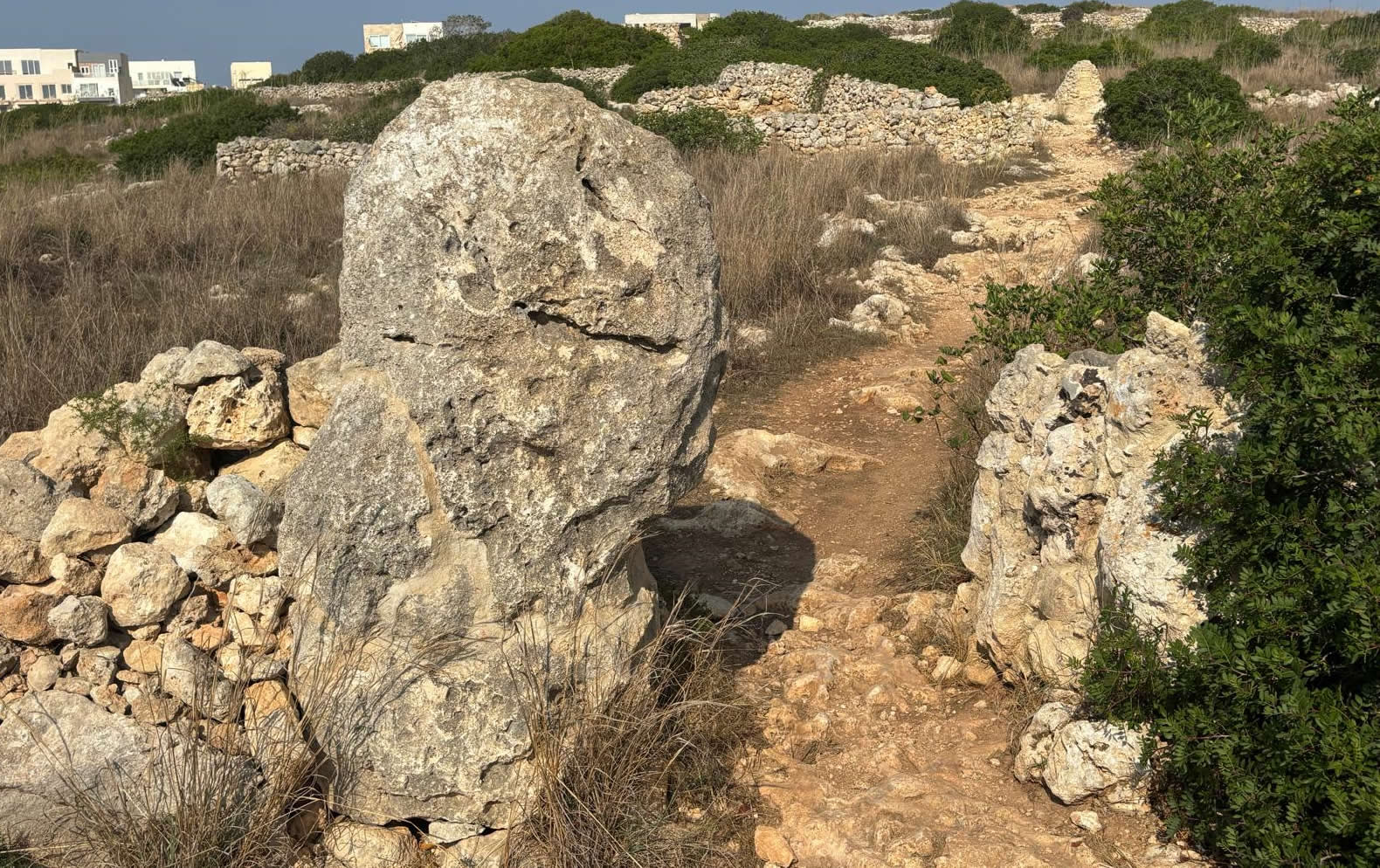
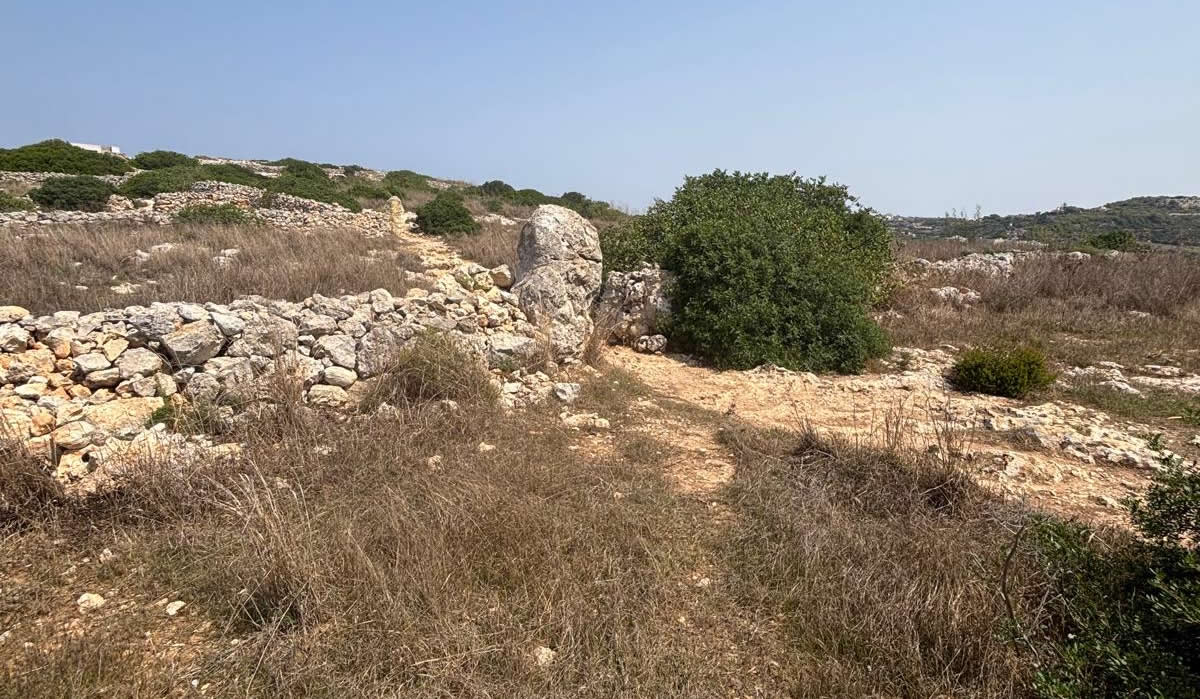
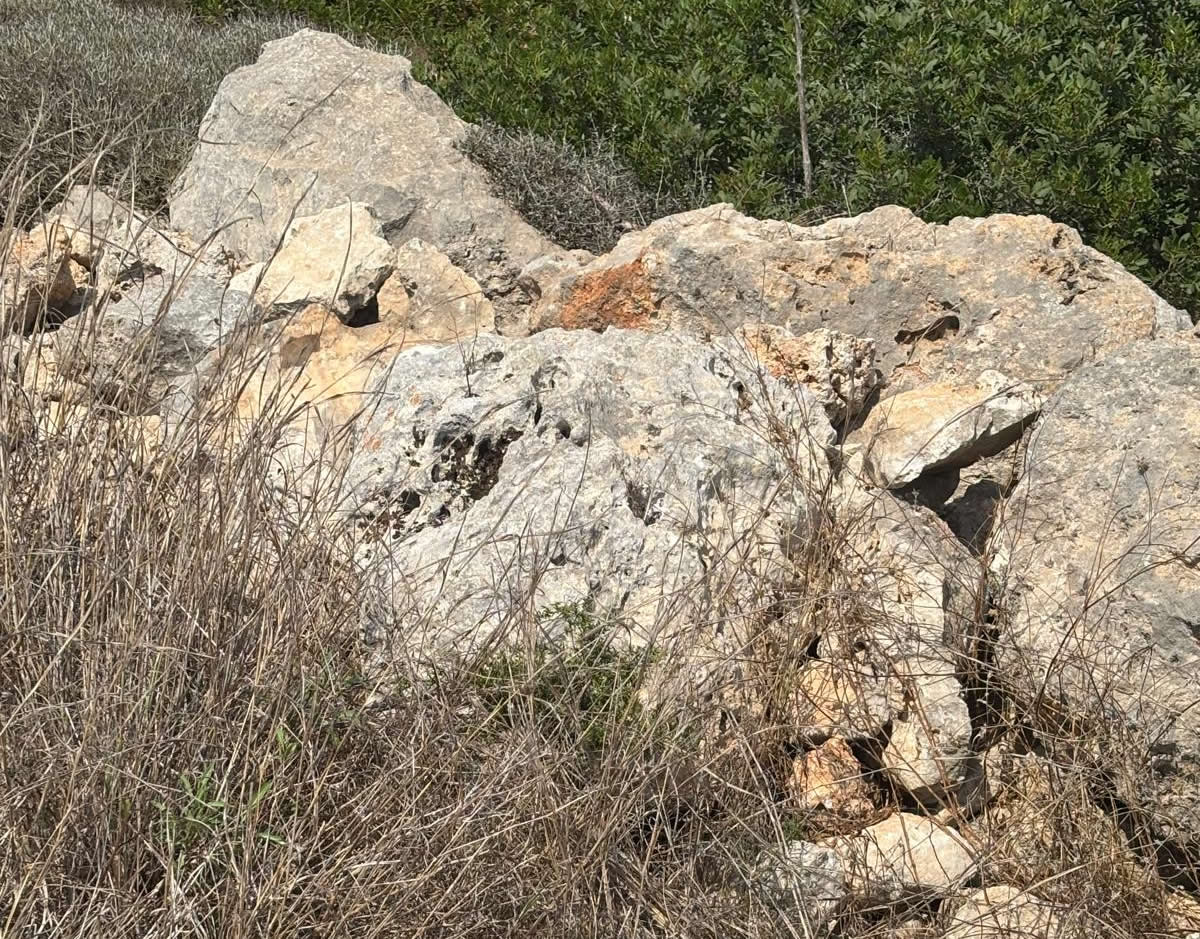
A tiny, ruined temple remnant on a low ridge: today you can see two large orthostats (upright slabs) that stand like a narrow portal, with bits of field‐walling around them. These are the classic photographs people share of “Xemxija Temple (2)”.
It sits south-west of the Xemxija rock-cut tombs (the tombs are at the top of the hill by Triq Bil-Preistorja). The “temple (2)” is a short walk further along the ridge/garigue.
Date & interpretation
It’s attributed to Malta’s Temple Period (c. 3600–2500 BC) on typological grounds (no substantial excavation here). In the Xemxija area generally, excavations by J. D. Evans documented Temple-Period activity and the distinctive lobed tombs; Xemxija 2 is understood as a **small shrine/temple outlier** rather than a full complex.
Location you can use in the field
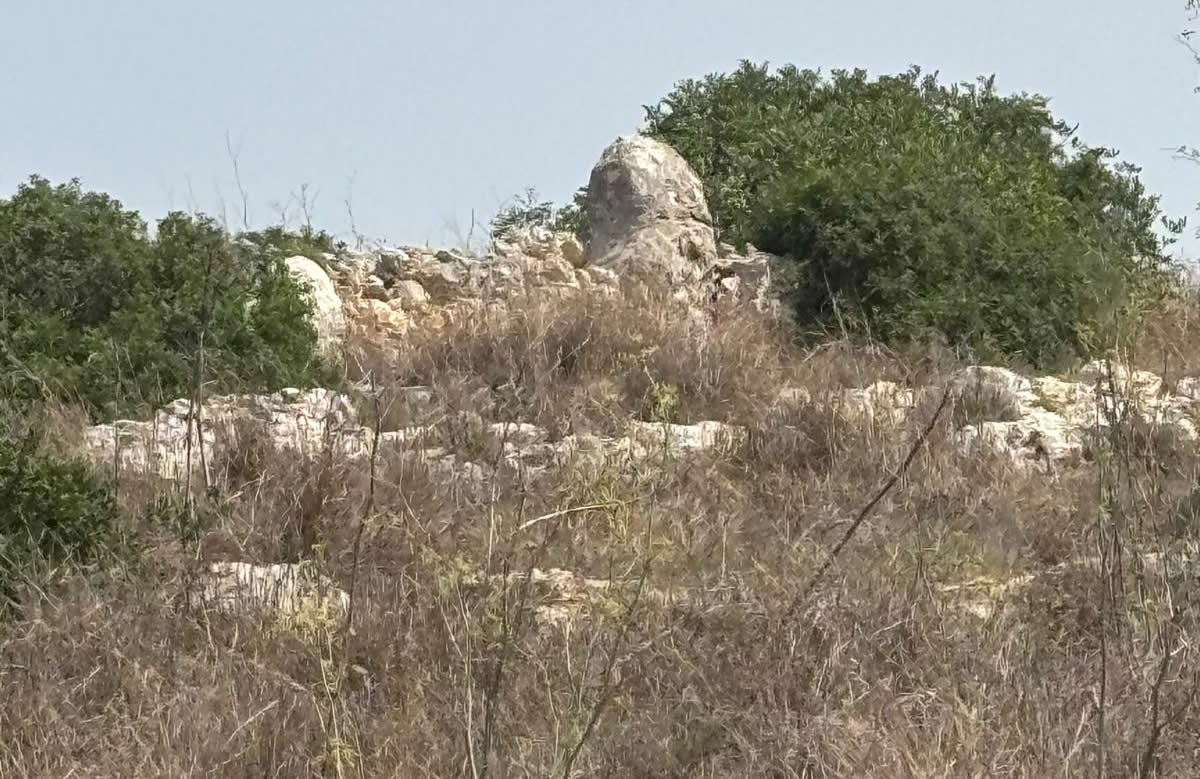
Approx. coordinates for the “Xemxija Temple Remains” cluster on the ridge: 35.94905 N, 14.37943 E (WGS84). This lands by the photographed orthostats; the feature is subtle and surrounded by rubble walls/garigue.
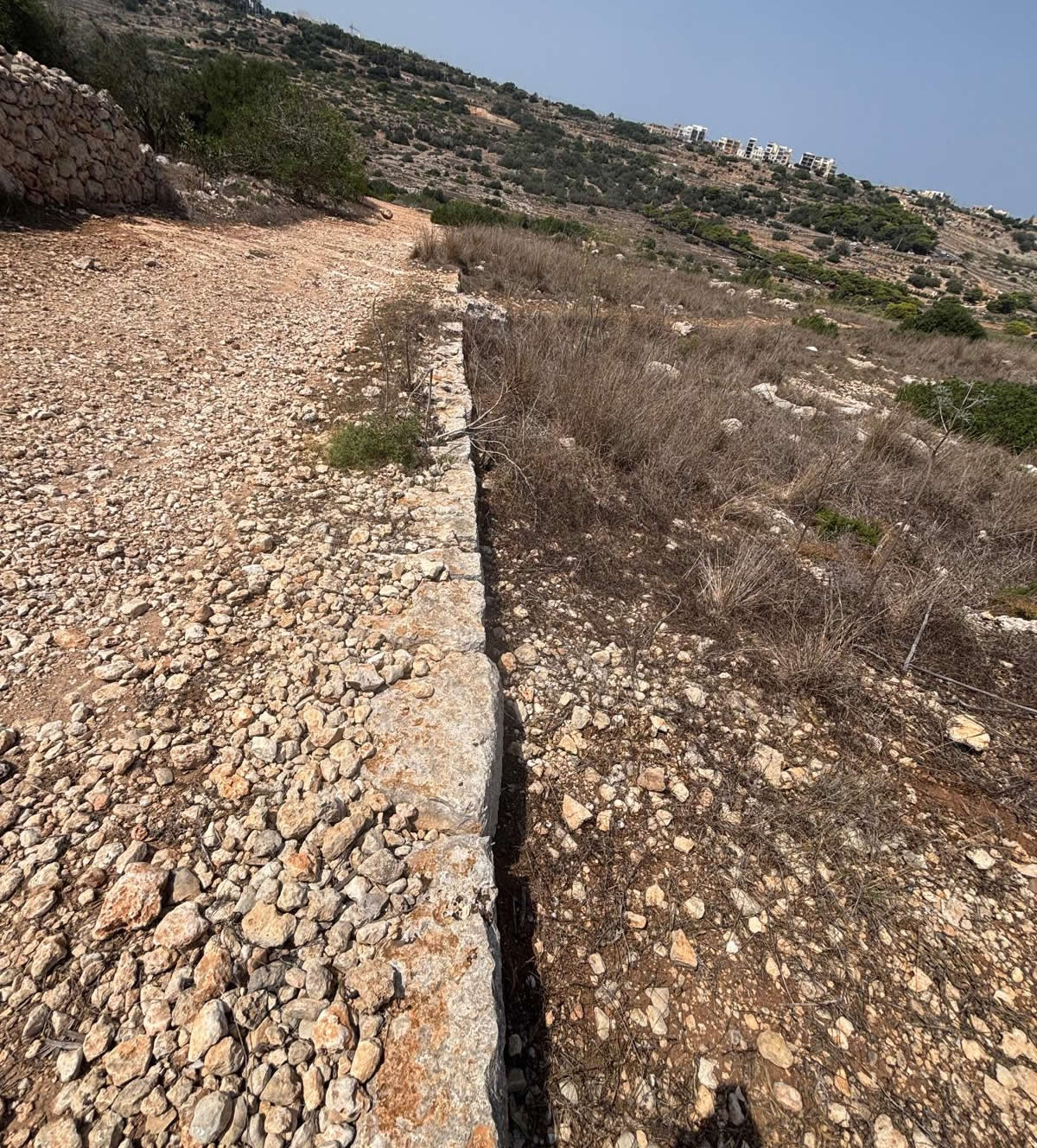
Practical approach: from Triq Bil-Preistorja (at the top of Xemxija), continue on foot across the ridge track heading SW from the tombs; look for the two upright slabs beside low field-walls.
Context nearby (helps you confirm you’re in the right place)
Xemxija rock-cut tombs (7 known) are just NE of here at the hilltop—clearly signposted on the Heritage Trail; the official National Inventory describes them and their location.
Quick facts (Xemxija 2)
Type: Remnant of a megalithic temple (very small, unreconstructed).
Visible features: Two portal-like orthostats; traces of walling.
Setting: Low ridge/garigue **SW of the tombs** on Xemxija Hill.
Period: Temple Period attribution (c. 3600–2500 BC).