
📍 Location
Location Map Coordinates 35.869292, 14.511932
Ħal Tarxien Prehistoric Complex (Tarxien Temples)
One of Malta’s richest Neolithic complexes — celebrated for its carved reliefs, sculpted stonework and stratified archaeology that helped define the later Temple Period (Tarxien phase).
Part of the UNESCO listing Megalithic Temples of Malta

Overview
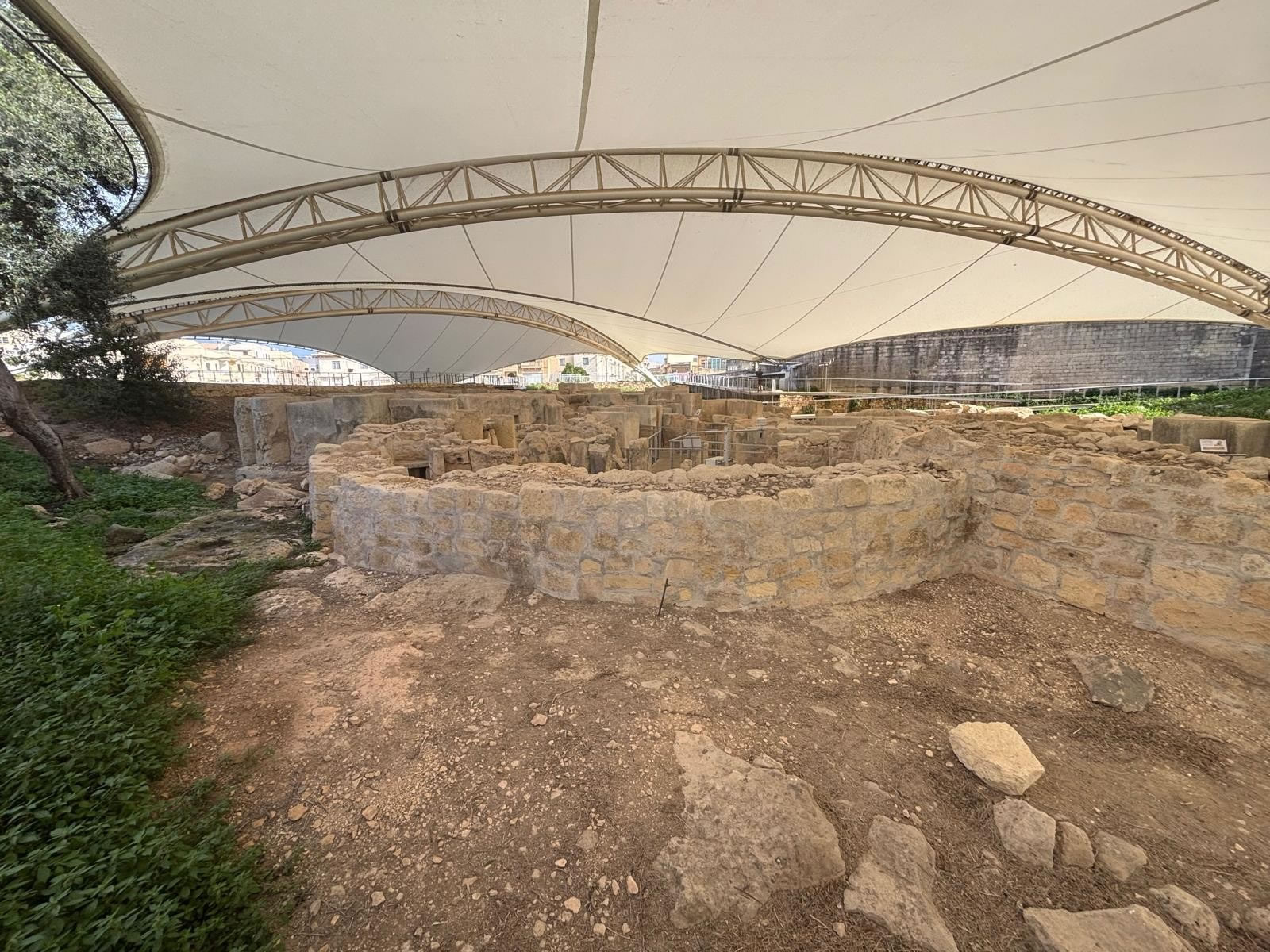
Tarxien is a dense complex of multiple temple structures located in the town of Tarxien on the main island of Malta. Excavated in the early 20th century and extensively studied since, Tarxien preserves some of the most elaborate carved reliefs and sculptural elements found among Maltese prehistoric monuments. The complex demonstrates intense activity during the Tarxien phase (roughly c. 3150–2500 BC) and includes evidence of earlier occupation and later reuse.
- Location: Tarxien, Malta (approx. 35.8693°N, 14.5022°E)
- Principal dates:Neolithic: c. 3600–2500 BC; Tarxien phase prominent c. 3150–2500 BC
- Site type: Megalithic temple complex (multi-apse, multi-period)
- Management: Heritage Malta

Key Facts
- UNESCO: Part of the Megalithic Temples of Malta WHS
- Public access: Yes — managed site with visitor centre
- Nearby: Ħal Saflieni Hypogeum (approx. 400 m west)
History & Excavations
Discovery & early work
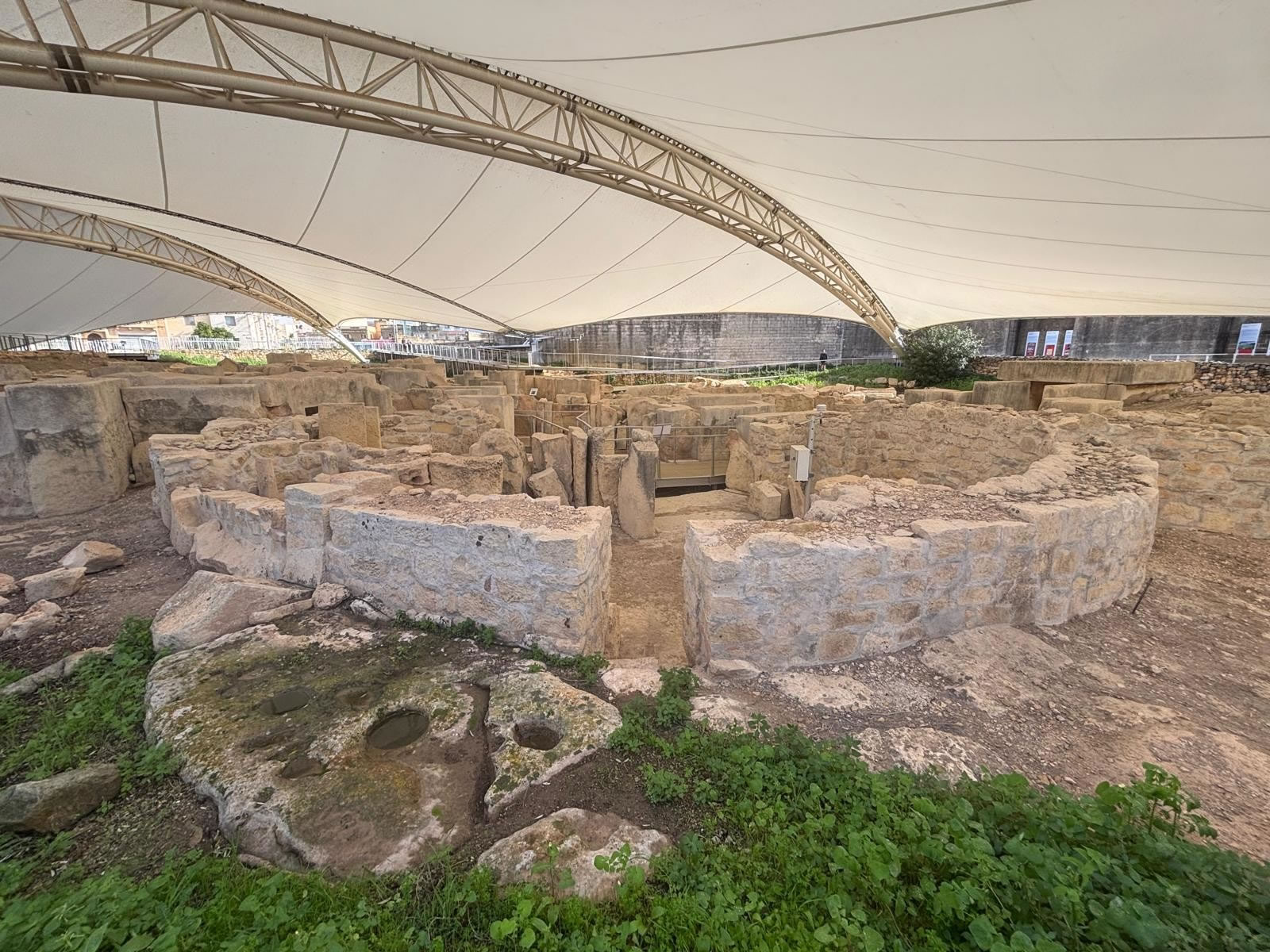
The complex was discovered in 1913 by a local farmer (Lorenzo Despott) who was leveling land, and major excavations were undertaken by Sir Temi Żammit between 1914 and 1919. Żammit’s work revealed the series of connected structures, decorated orthostats, and sculptured stone fragments that made Tarxien exceptional among Maltese temple sites.
20th-century research & chronology
Subsequent research and stratigraphic study refined the chronology of the site, linking parts of Tarxien to the eponymous Tarxien phase of Maltese prehistory. Stratified domestic deposits, pottery sequences and radiocarbon samples helped place Tarxien within the broader Neolithic sequence on the islands.

Architecture & Artistic Features
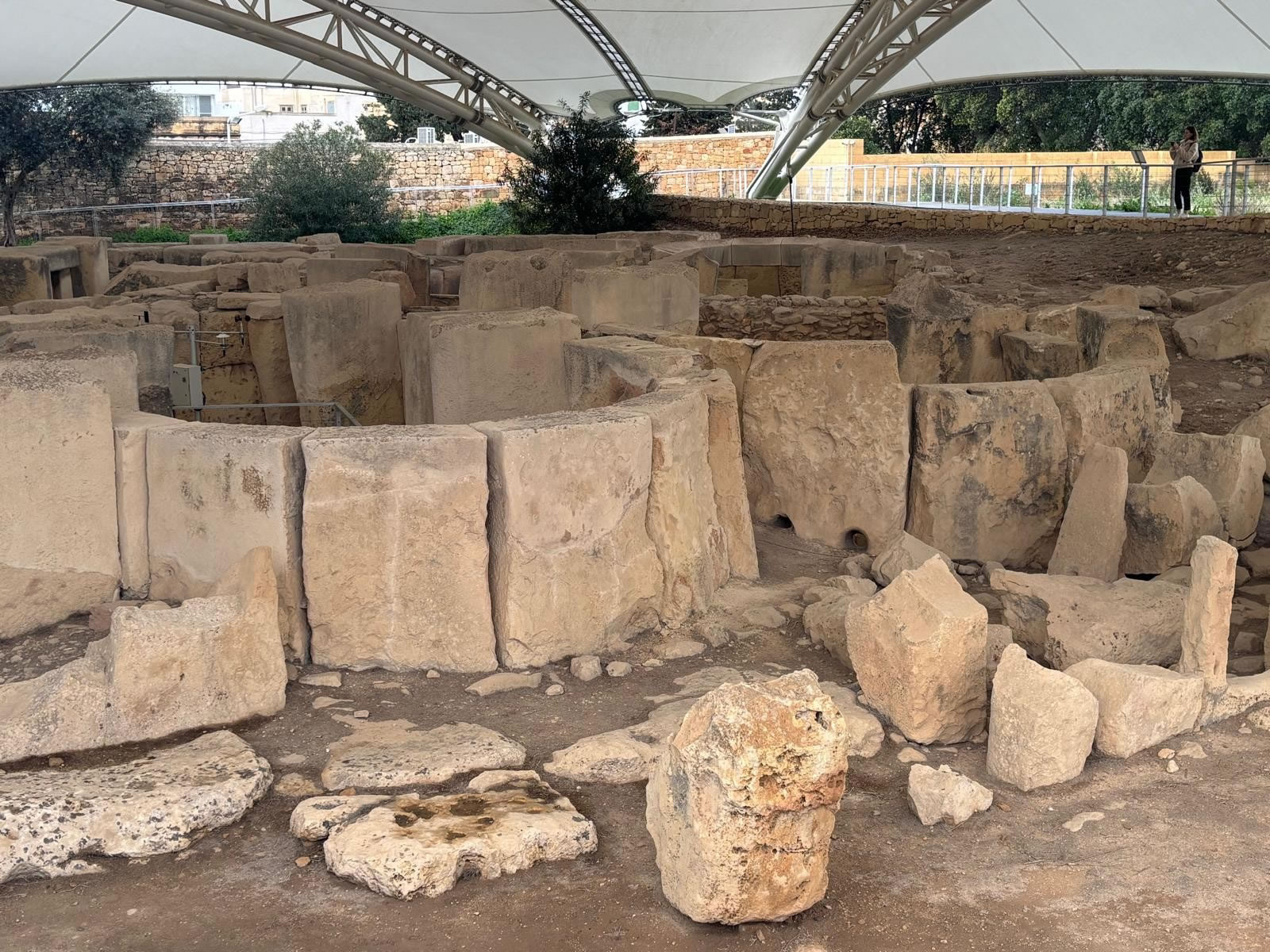
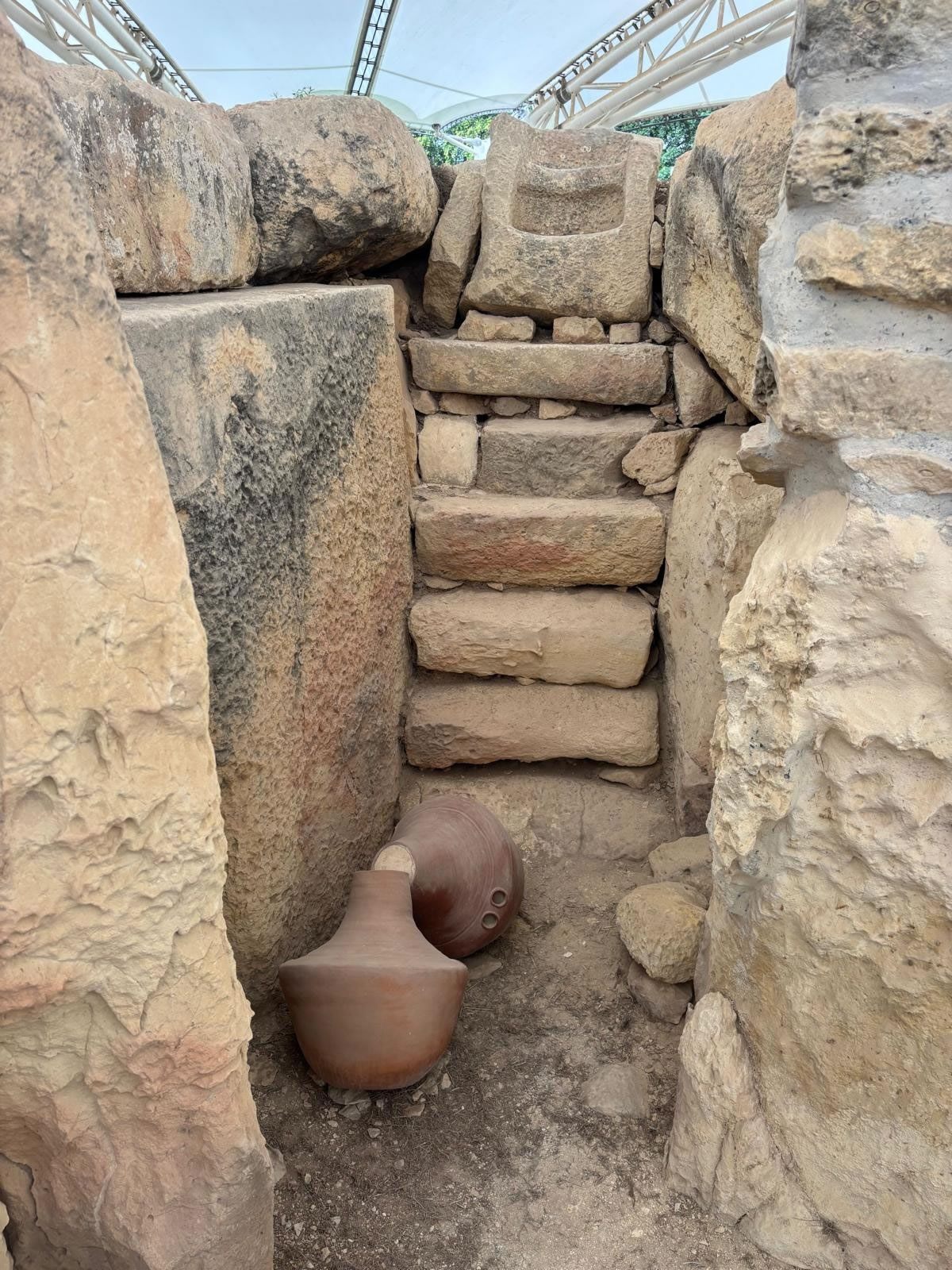
Tarxien is best known for its ornate relief decoration and complex plan. The complex includes at least four principal structures (often described as the South, Central, East and North/earlier structure), with intercutting walls and passages. Raised spirals, cable patterns, and stylized animal reliefs (notably bulls and sows) are carved on many slabs; screens, altars, and bench-like fittings occur in chambers frequently used for ritual deposition and offerings.

Building materials & techniques
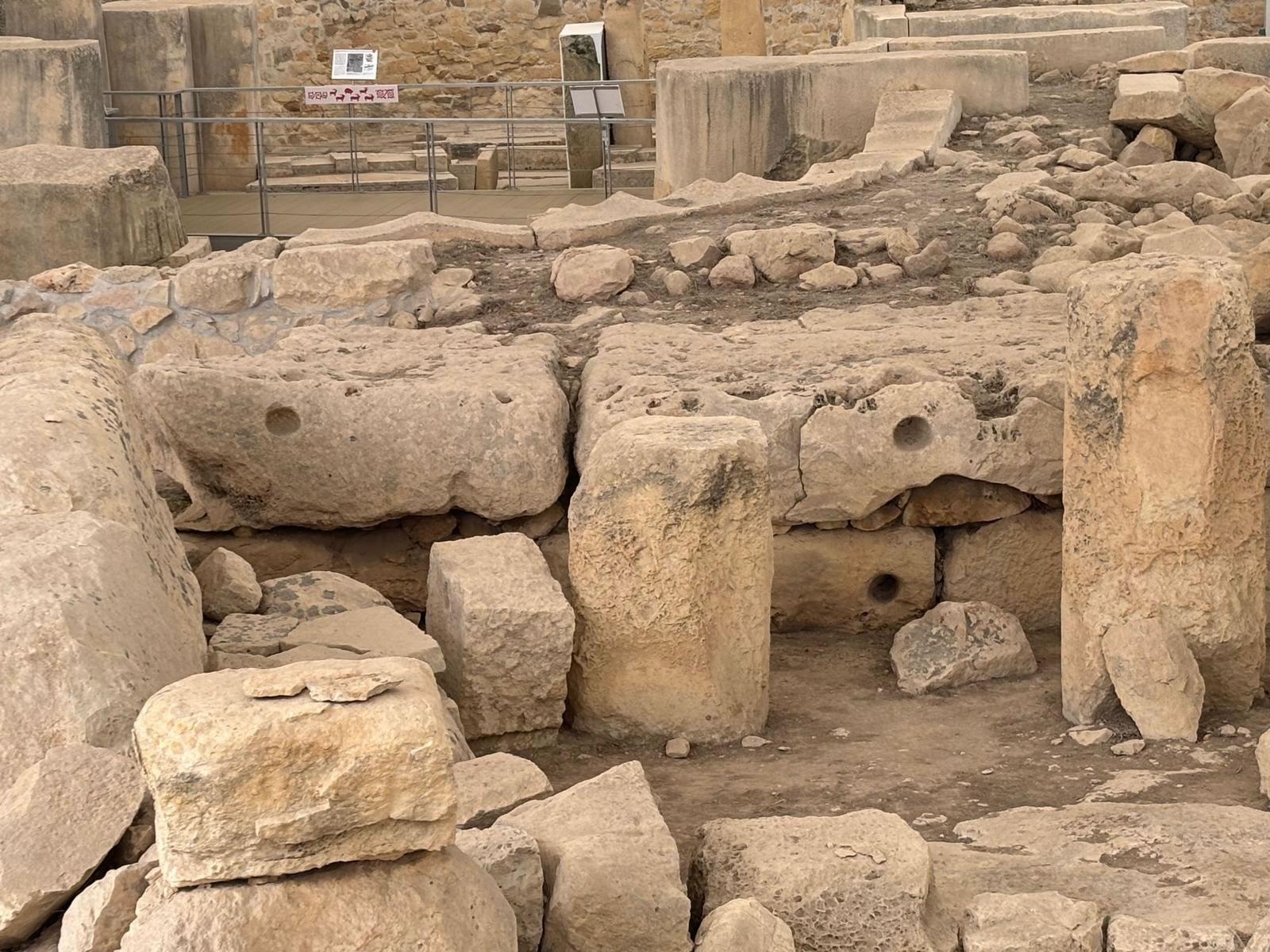
Constructed of local globigerina limestone, builders used large orthostats set vertically to form apses and corbelled roofing in some parts. Floors were paved and sometimes covered with torba (pounded limestone) for hard-wearing surfaces. Some original uprights and slabs have been re-mounted during conservation to stabilize the monument.

Major Finds & Interpretations
Sculpture & decorated slabs
Tarxien yielded richly decorated orthostats: spiral motifs, bands, and figurative low reliefs including domestic animals. A monumental lower torso of a life-size clay or stone figure (a 'fat lady' / corpulent figurine) was found, and fragments of other anthropomorphic sculptures were recovered and later moved to the National Museum of Archaeology in Valletta for protection.

Domestic & ritual material
Pottery of the Tarxien phase, stone altars, carved stone basins, and small portable finds indicate ritual activity alongside domestic life. Bone, shell, and seeds recovered in deposits provide a view of diet and environment.
Conservation & Site Management
Because of weathering and urban pressures, Tarxien has undergone several conservation interventions. Protective tent-like shelters similar to those installed at other Maltese temples were built around Tarxien and completed c.2015 to limit direct exposure to rain and sun, and many decorated slabs were removed to museum storage for conservation with careful replicas or stabilized slabs left in situ where possible.
Visitor Information
Opening hours & tickets
Heritage Malta manages Tarxien and offers tickets either singly or as part of combined (Prehistoric Combo) tickets that include Ħaġar Qim, Mnajdra, Għar Dalam and Borġ in-Nadur. Opening hours and seasonal schedules change — always check Heritage Malta’s official site for the latest hours and booking options.
Getting there
Tarxien is located within the town of Tarxien and is well connected by Malta’s public bus network from Valletta and other towns. The site is easy to reach from the town centre on foot. GPS: 35.8693°N, 14.5022°E.

Site facilities & accessibility
The complex has a visitor centre with interpretive panels and some sheltered viewing platforms; artifacts are displayed at the National Museum of Archaeology (Valletta). The ground within the site is uneven; some areas are accessible but check Heritage Malta for up-to-date accessibility measures and special assistance.

Visitor tips
- Combine Tarxien with the Hypogeum of Ħal Saflieni (booking required and limited) and other prehistoric sites for a full-day itinerary.
- Visit in cooler hours (morning or late afternoon) to avoid heat; check for temporary closures for conservation work.
- Photography for personal use is generally allowed but commercial shoots require permission.

References & Further Reading
- Heritage Malta — Ħal Tarxien Prehistoric Complex (official visitor info)
- UNESCO — Megalithic Temples of Malta (World Heritage listing)
- Early excavation reports by Temi Żammit (1914–1919) and subsequent archaeological literature
- Selected academic research on Tarxien phase chronology and conservation reports
For authoritative opening hours, booking and ticketing information, consult Heritage Malta’s site. For academic citation and excavation detail consult archaeological monographs and university repositories.
