📍 Location
Location Map Coordinates 35.836309, 14.457950
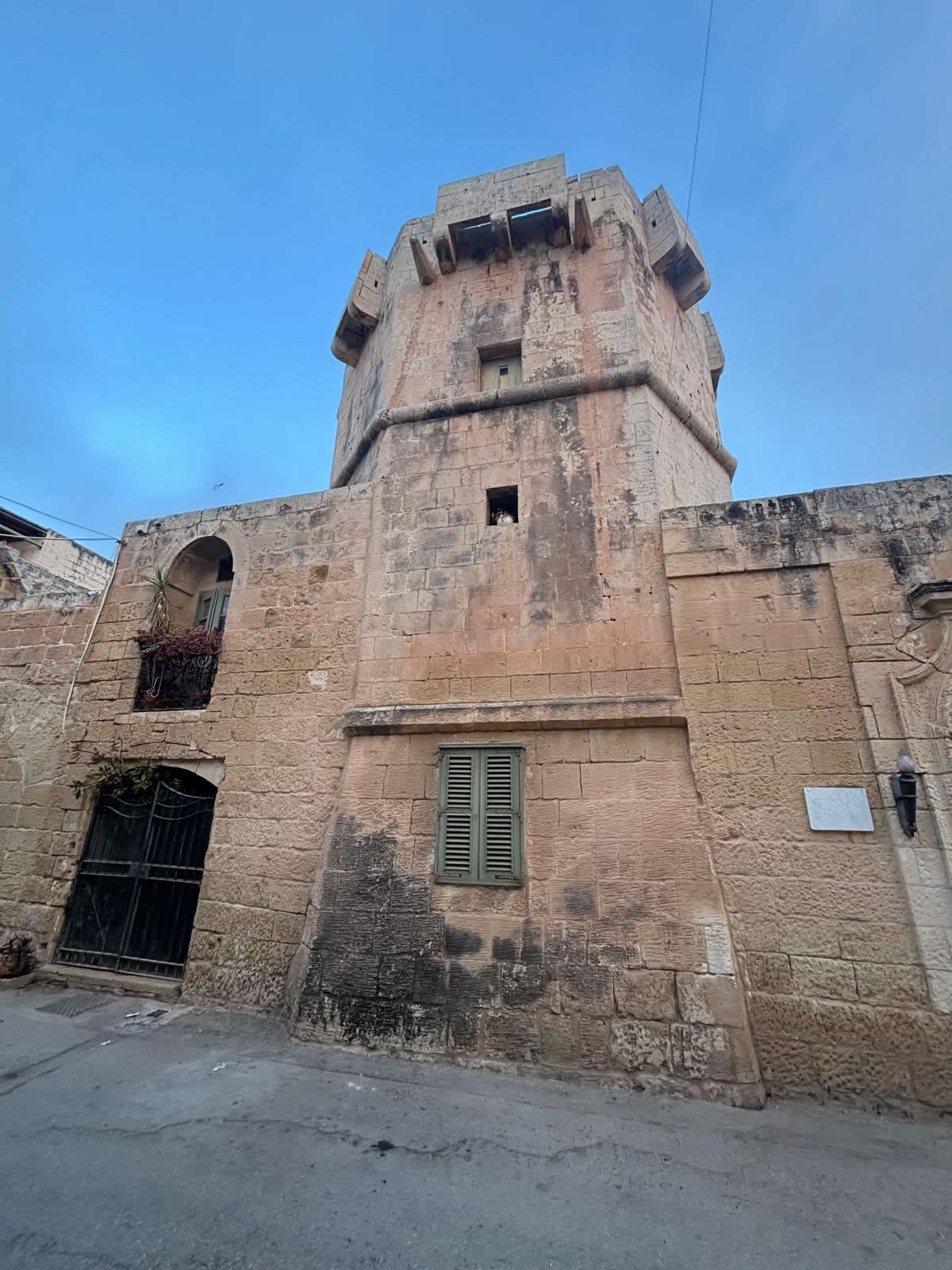
The Cavalier Tower, known in Maltese as Torri tal-Kavalier, is one of the most intriguing and historically significant fortified structures in Malta. Located in the village of Qrendi at coordinates 35.836309, 14.457950, this unique tower stands out due to its rare octagonal design and its uncertain but ancient origins.
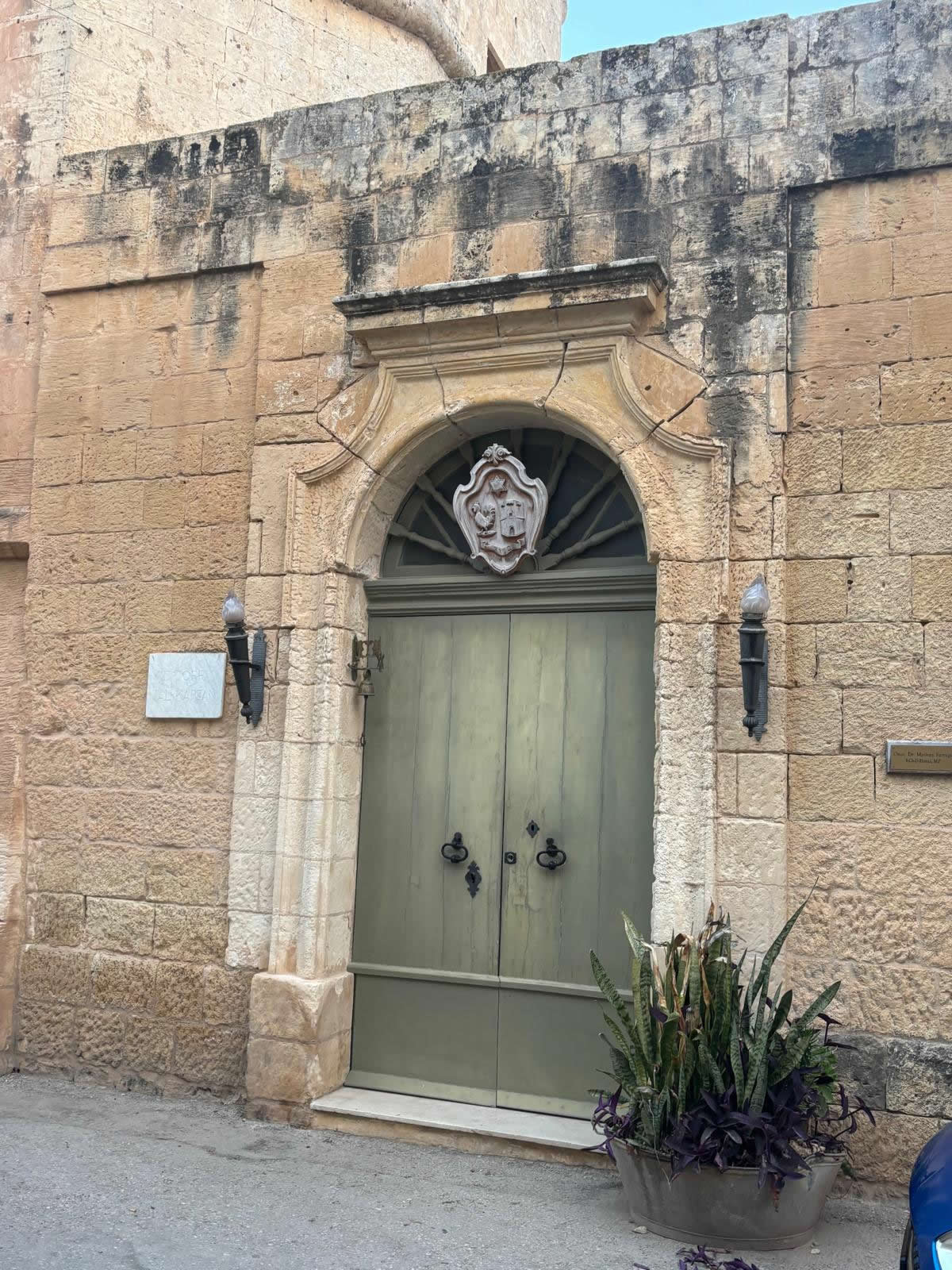
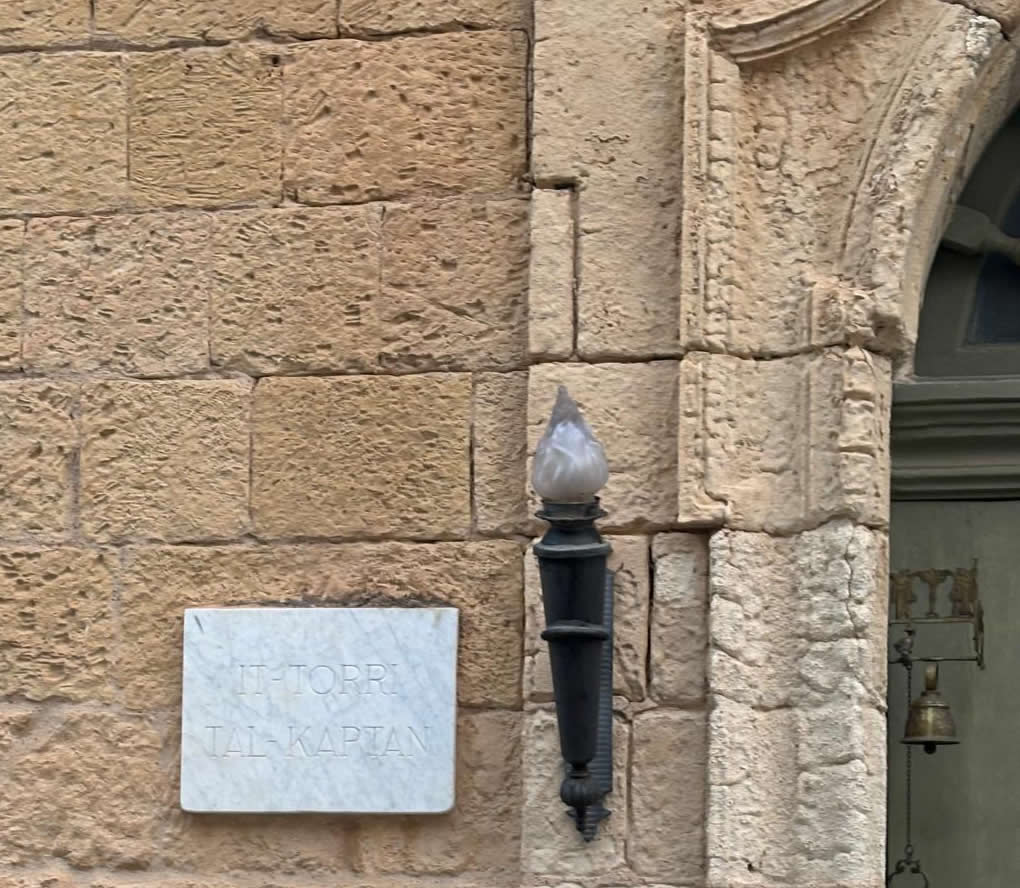
Also referred to as the Qrendi Tower or Captain’s Tower (Torri tal-Kaptan), the structure is widely regarded as one of the oldest surviving towers in the Maltese Islands.
Origins and Construction
The exact date of construction of Cavalier Tower remains unknown, adding to its historical intrigue. Scholars generally place its origins either in the late medieval period, when Malta formed part of the Kingdom of Sicily, or in the early years of the Order of Saint John during the 16th or 17th centuries.
If the earlier medieval dating is correct, the tower would be one of the very few surviving examples of medieval defensive architecture in Malta, making it exceptionally rare.
Unlike the later coastal watchtowers built by the Knights, which formed part of an organised defensive network, Cavalier Tower appears to have been a privately constructed fortified residence, designed to protect its occupants from raids, particularly those originating from the sea.
Name and Function
The tower derives its name from its historical association with a Captain (Kaptan Kavallier) of the Order of Saint John, who is believed to have resided there. :
Its function combined both residential and defensive purposes. In an era when coastal and inland settlements were vulnerable to pirate incursions, such fortified towers provided essential protection for landowners, agricultural workers, and local communities.
Architectural Design
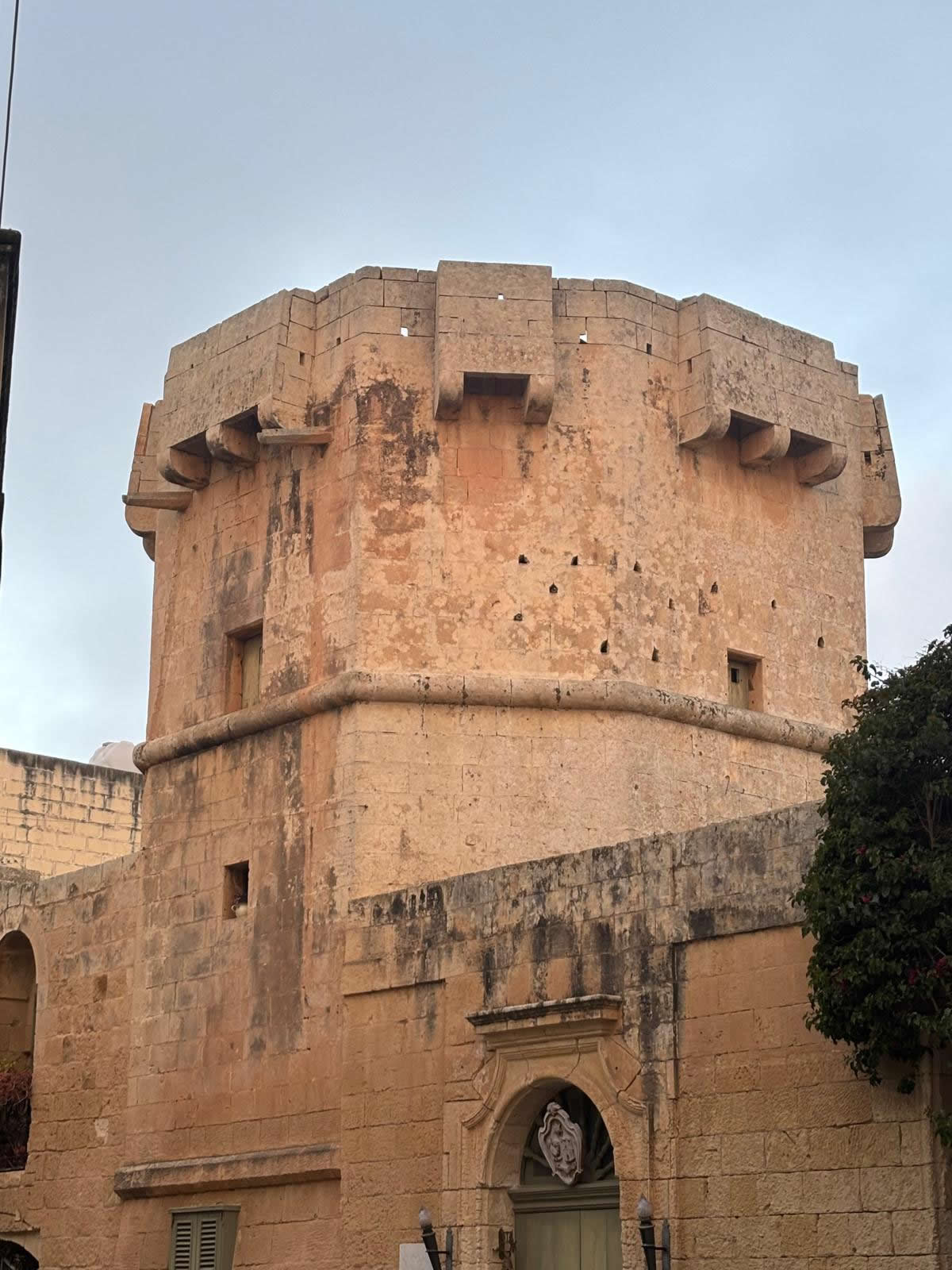
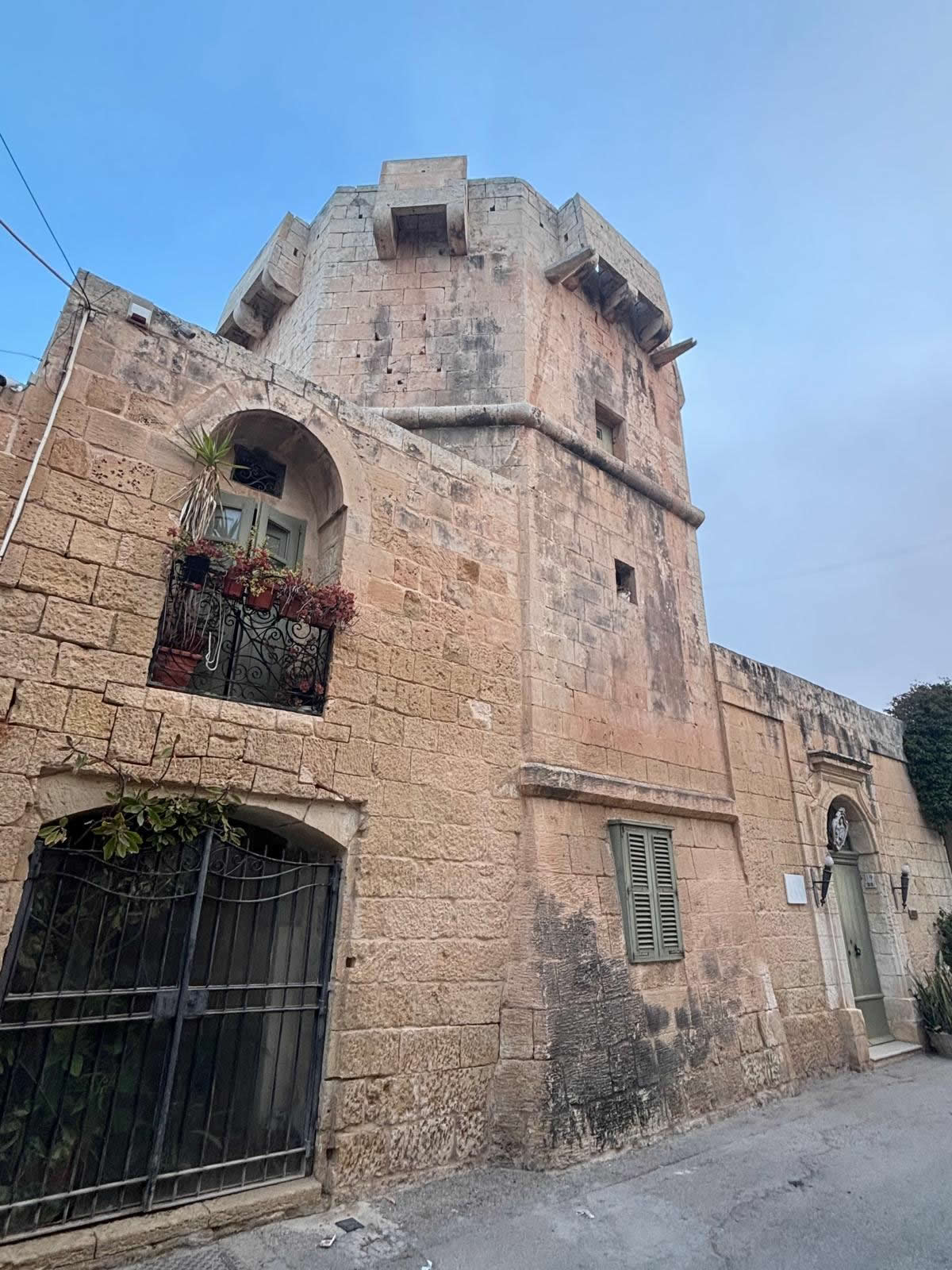
Cavalier Tower is distinguished by its unique octagonal plan, making it the only tower of its kind in Malta.
The structure rises to three storeys and is built entirely from locally quarried limestone, demonstrating the high level of craftsmanship characteristic of Maltese masonry traditions.
Key Architectural Features
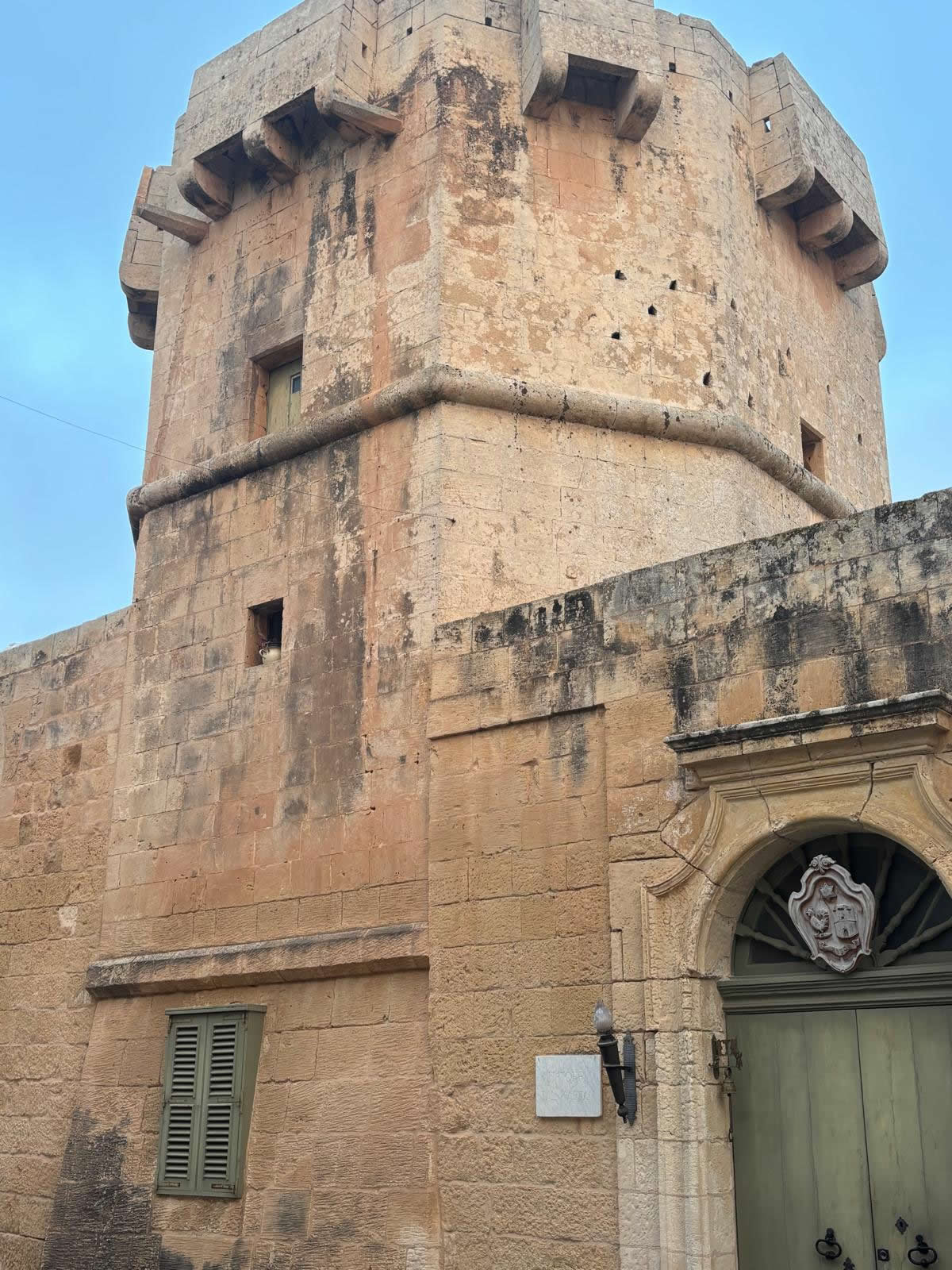
- Octagonal layout – rare and unique in Maltese defensive architecture
- Thick defensive walls – up to over 3.5 metres in places
- Machicolations – projecting defensive openings used to drop projectiles
- Three levels separated by stone cordons
- Spiral staircase connecting lower floors
- Limited access points designed for security
The tower’s upper sections feature defensive balconies and openings, which allowed defenders to repel attackers by dropping stones or other projectiles.
Associated Structures and Courtyard
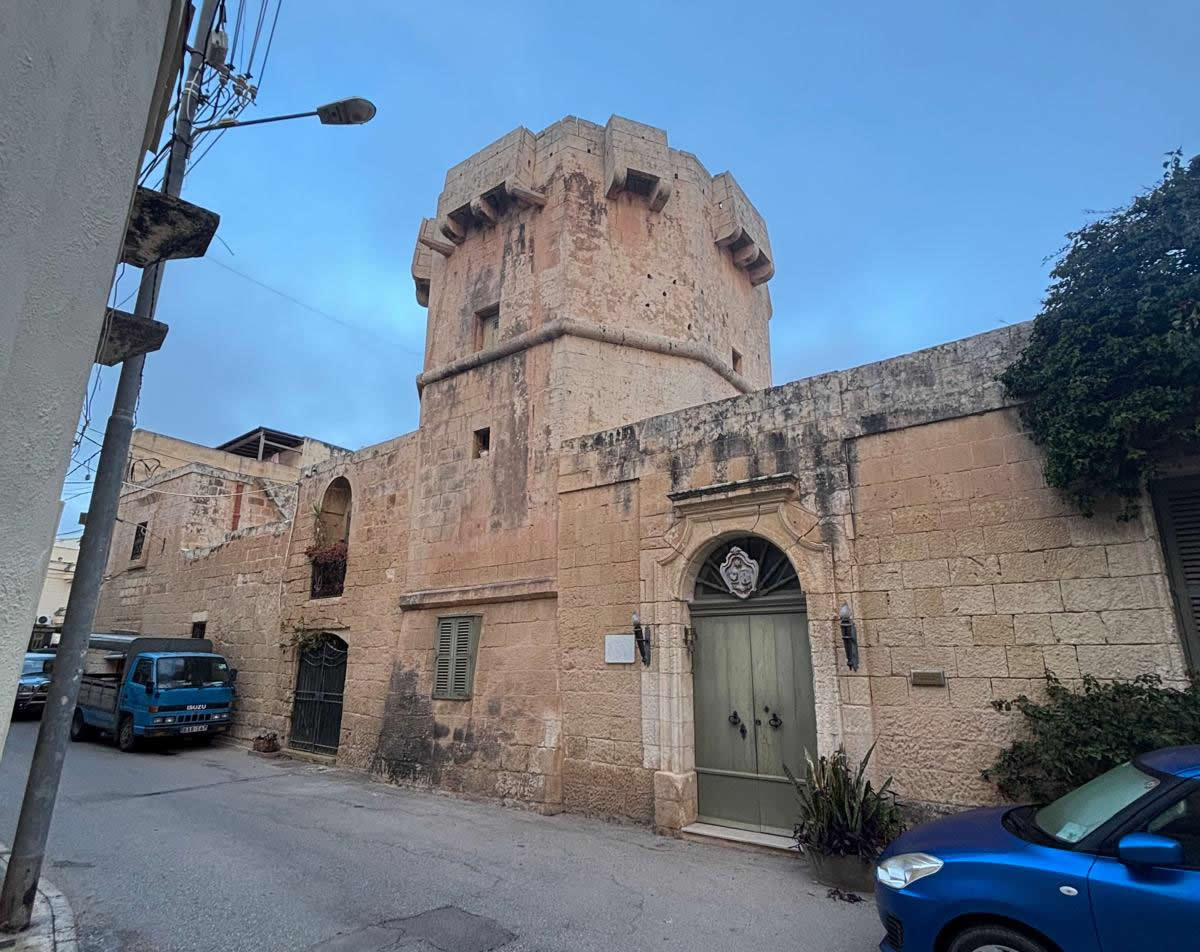
The tower is not a standalone structure but part of a larger complex that includes:
- A central courtyard
- Residential rooms
- Animal mangers and agricultural facilities
- Auxiliary buildings
This arrangement reflects a self-sufficient fortified residence, combining defence with agricultural life. The surrounding structures have been described as one of the most interesting examples of architectural development in Malta.
Defensive Role in Maltese History
Throughout Malta’s history, particularly between the 15th and 17th centuries, the islands were frequently threatened by Ottoman and Barbary pirate raids. Towers like Cavalier Tower played a crucial role in:
- Providing refuge during attacks
- Monitoring surrounding land and coastline
- Serving as early warning systems
Although not part of the later coastal tower system established by the Knights, its inland position suggests it functioned as a secondary defensive stronghold.
Modifications and Evolution
During the 17th century, the tower and its adjoining residence underwent modifications that reduced some of its original defensive features.
These changes likely reflect a gradual shift from purely defensive needs toward more residential and agricultural uses as Malta became more secure under the Knights’ rule.
19th and 20th Century Developments
Over time, the complex continued to evolve, incorporating additional buildings and adaptations. In the early 20th century, an underground air raid shelter was excavated beneath the property, highlighting its continued strategic relevance during the Second World War.
This layer of history adds to the tower’s significance, linking it not only to medieval and early modern periods but also to Malta’s wartime experience.
Conservation and Protection
Cavalier Tower was included in the Antiquities List of 1925 and is today recognised as a Grade 1 scheduled property, affording it the highest level of protection under Maltese heritage laws.
It is also listed on the National Inventory of the Cultural Property of the Maltese Islands, ensuring its preservation for future generations.
Present-Day Use
Today, Cavalier Tower remains in good condition and is used as a private residence.
Due to its private ownership, the site is not open to the public, although it remains visible from surrounding areas and continues to be an important landmark within Qrendi.
Cultural and Architectural Importance
The significance of Cavalier Tower lies in several key aspects:
- Its potential medieval origins
- Its unique octagonal design
- Its role as a private fortified residence
- Its integration into a wider architectural complex
- Its survival in an excellent state of preservation
Together, these elements make the tower one of the most distinctive historic buildings in Malta.
Nearby Points of Interest
- Ħaġar Qim Temples
- Mnajdra Temples
- Qrendi Parish Church
- Wied iż-Żurrieq
- Blue Grotto
Frequently Asked Questions (FAQ)
When was Cavalier Tower built?
The exact date is unknown, but it likely dates to the late medieval period or early years of the Order of Saint John.
Why is Cavalier Tower unique?
It is the only known octagonal tower in Malta.
Was the tower part of Malta’s coastal defence system?
No, it was most likely a privately built fortified residence rather than part of the official coastal network.
Can you visit Cavalier Tower?
No, it is privately owned and not open to the public.
What was its main purpose?
It served as both a residence and a defensive structure against raids.
Conclusion
Cavalier Tower in Qrendi stands as a remarkable testament to Malta’s layered history, blending medieval defensive architecture with later residential adaptations. Its unique octagonal design, uncertain origins, and continued preservation make it one of the most fascinating and enigmatic towers on the island.
Although not accessible to the public, its presence continues to enrich the historical landscape of Qrendi and serves as a powerful reminder of Malta’s past, shaped by defence, resilience, and architectural ingenuity.