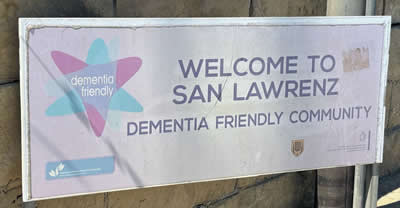
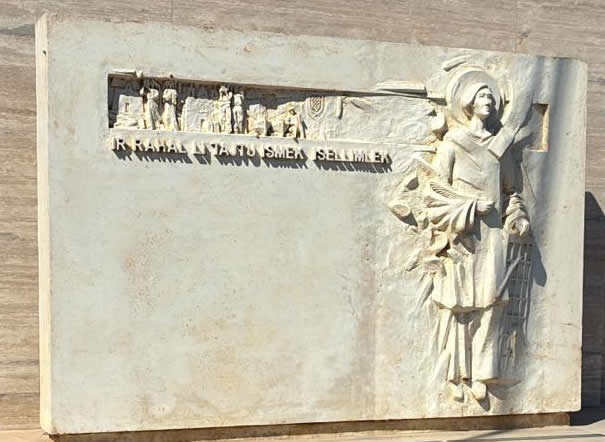
Full detailed history of San Lawrenz (with relevant dates)
From Ta’ Ċangura to San Lawrenz
The locality’s earlier toponym is commonly given as Ta’ Ċangura. Its current name—San Lawrenz—derives from the dedication of an older chapel in the area recorded as existing since at least 1575.
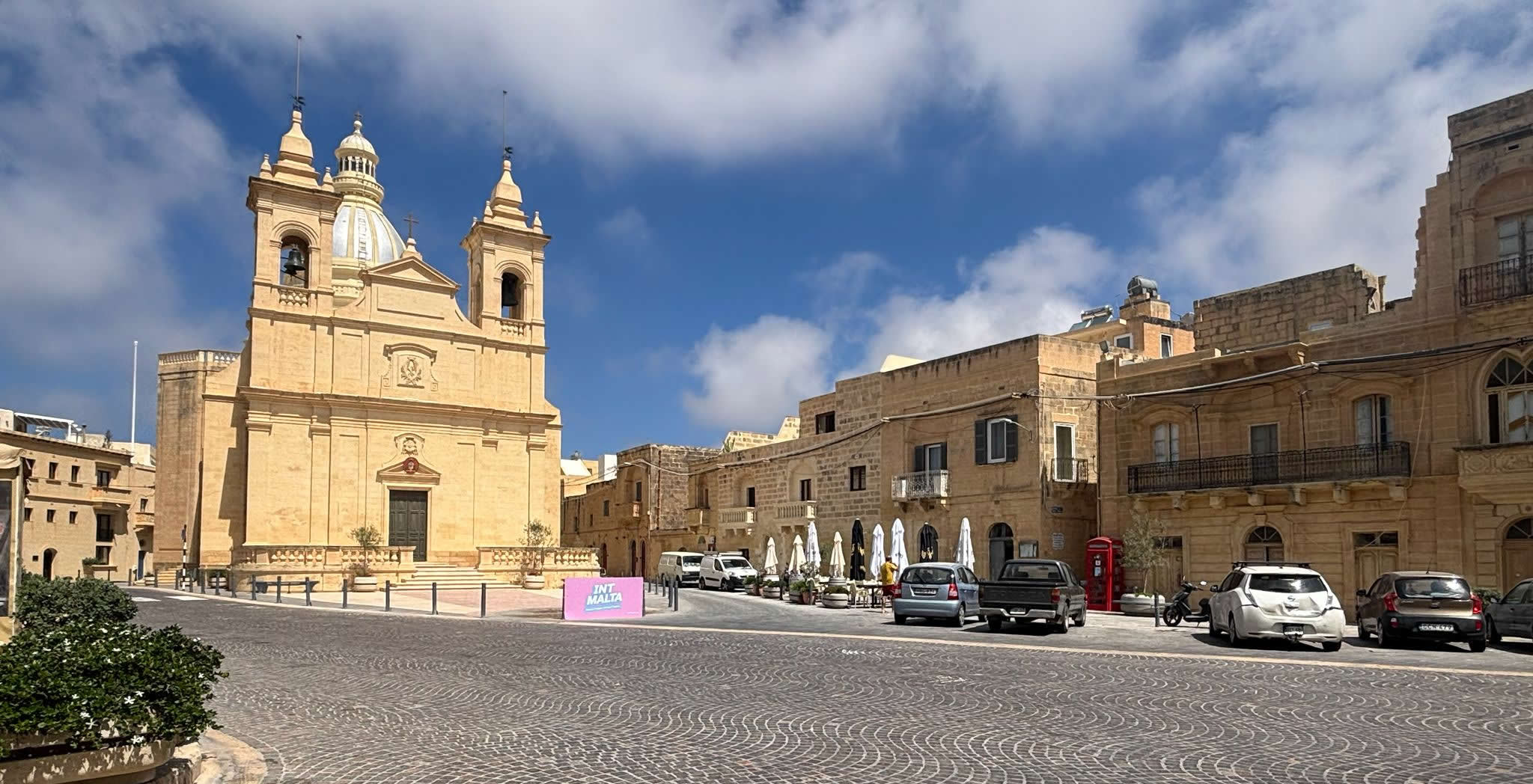
Parish foundation and the parish church
San Lawrenz was established as an independent parish on 15 March 1893. Published notes add that it became effective on 7 May 1893.
The present parish church was already under construction before parish status: building is recorded as beginning on 21 September 1886, with completion and consecration on 28 April 1889.
Modern local administration
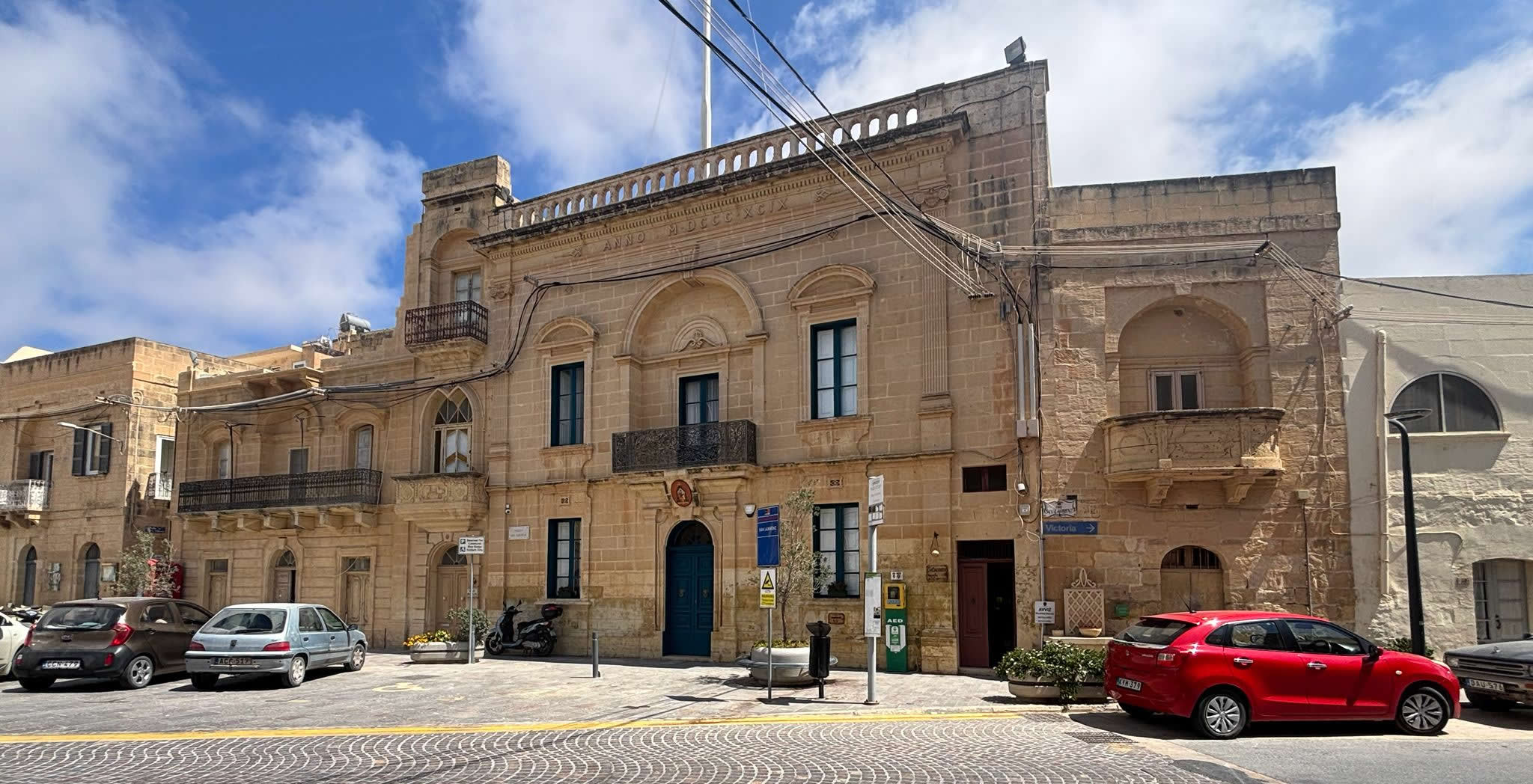
San Lawrenz Local Council was established on 3 June 1994, marking the start of formal local-council governance for the locality.
Dwejra: nature reserve fame and the Azure Window event
Dwejra (administratively within San Lawrenz) became internationally recognised for its coastal geology. The most famous feature, the Azure Window, collapsed during storms on 8 March 2017.
At-a-glance timeline
- 1575 — an old chapel dedicated to St Lawrence is recorded in the area.
- 1652 — Dwejra Tower completed as a coastal watchtower (Order of Saint John).
- 1746 — Grand Master Pinto decrees Fungus Rock out of bounds due to the prized “Maltese fungus” plant.
- 21 Sep 1886 — parish church construction begins.
- 28 Apr 1889 — church completed and consecrated.
- 15 Mar 1893 — San Lawrenz parish founded (effective 7 May 1893). }
- 3 Jun 1994 — Local Council established.
- 8 Mar 2017 — Azure Window collapses at Dwejra.
Best places to visit in and around San Lawrenz
Dwejra Bay: Inland Sea & coastline walks
The signature landscape: a cliff-backed coastal arena with the Inland Sea lagoon and dramatic geology. Great for sunset walks and wide-angle photography.
Blue Hole (Dwejra): Gozo’s iconic dive entry
A world-famous shore dive zone beside Dwejra’s cliffs. Even non-divers appreciate the rock formations and sea conditions from the viewpoints.
Fungus Rock: Knights-era medicinal lore
The rock’s “Maltese fungus” plant (actually Cynomorium coccineum) was so prized that the Knights restricted access; a 1746 decree by Grand Master Pinto made trespass punishable.
Dwejra Tower (1652): coastal watchtower heritage
Completed in 1652 as part of Gozo’s coastal warning system, this tower anchors the human history of Dwejra and is associated with later uses into the 20th century.
Ta’ Dbiegi hill & craft village area
San Lawrenz sits beneath Ta’ Dbiegi—Gozo’s highest point at about 195 metres—with nearby craft/workshop attractions and viewpoints over western Gozo.
Ras il‑Wardija Nymphaeum
Carved into the limestone ridge; this chamber has several niches in its walls. Some of the niches are moulded (have architectural moldings). This chamber is thought to be the central ritual chamber.
Ta’ Pinu National Shrine (nearby): landmark pilgrimage site
Just beyond San Lawrenz’s neighbouring villages, Ta’ Pinu is one of Malta’s best-known shrines: works began 30 May 1920; the church was consecrated 31 August 1932; and it was raised to the dignity of Minor Basilica in 1935.
How to visit
- Best base for Dwejra: stay/park in or near San Lawrenz, then head down to Dwejra for coastal walks and viewpoints.
- Timing: early morning for calmer seas and fewer crowds; sunset for the classic Dwejra light.
- Safety: cliff edges and sea conditions can change fast—follow posted guidance and avoid risky ledges.
FAQ
When did San Lawrenz become a parish?
The parish was founded on 15 March 1893, with published notes stating it became effective on 7 May 1893.
When was the parish church built?
Building began on 21 September 1886 and the church was completed and consecrated on 28 April 1889.
What is the most famous natural event linked to San Lawrenz?
The collapse of the Azure Window at Dwejra on 8 March 2017.