Grand Masters’ Crypt – St John’s Co-Cathedral, Valletta, Malta
Home » St John’s Co-Cathedral » Grand Master Jean de la Cassière
Introduction
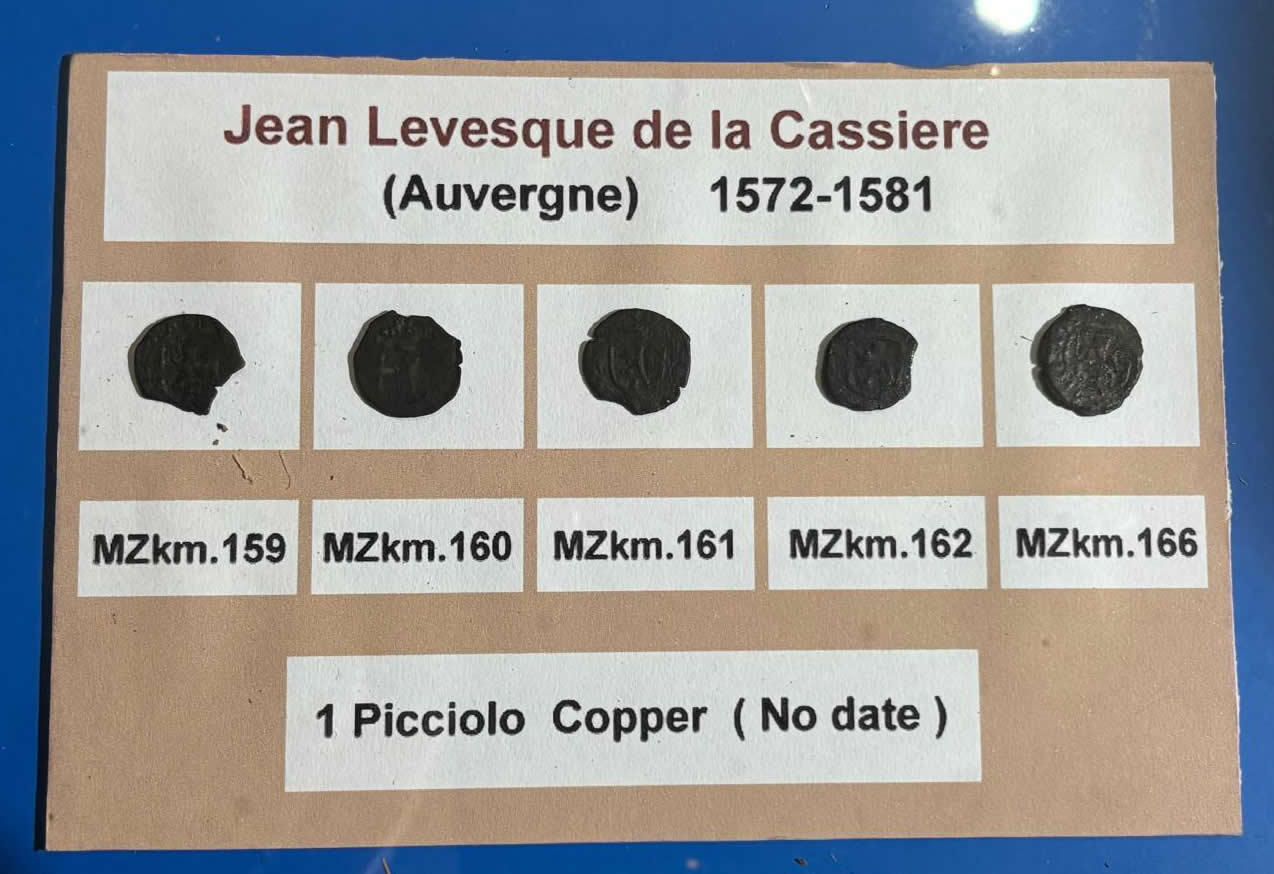
Grand Master Frà Jean l’Evesque de la Cassière stands among the most significant figures in the history of Malta and the Order of the Knights of St John. Serving as the 51st Grand Master from 1572 to 1581, his legacy is inseparably linked to the creation of one of Malta’s greatest monuments — St John’s Co-Cathedral in Valletta. Today, he rests in the Grand Masters’ Crypt, beneath the very church he commissioned, forming part of the sacred burial space of the Order’s leaders.

Early Life and Rise within the Order
Jean de la Cassière was born in 1502 in Auvergne, France. He joined the Order of Saint John during a critical period following the Knights’ expulsion from Rhodes in 1522. Through dedication and military courage, he rose steadily within the ranks of the Order.
His reputation was firmly established during the Battle of Zoara in North Africa, where he famously saved the standard of the Order under heavy attack. This act of bravery earned him recognition and advancement, eventually leading to his appointment as Grand Prior of the Langue of Auvergne.
On 30 January 1572, he was elected Grand Master, succeeding Grand Master Pietro del Monte. His election came at a pivotal moment as Valletta was still a newly developing city following the Great Siege of Malta in 1565.
Builder of Valletta and St John’s Co-Cathedral
One of the most enduring achievements of Grand Master de la Cassière was his role in shaping Valletta. During his magistracy, he oversaw major construction projects that defined the city’s architectural and institutional identity.
Most notably, he commissioned the Conventual Church of the Order in 1572, now known as St John’s Co-Cathedral. Designed by the Maltese architect Girolamo Cassar, the church was completed in 1577 and became the spiritual heart of the Knights.
In addition to the cathedral, his contributions included:
- The expansion of the Grand Master’s Palace
- The development of auberges for the different langues
- The Sacra Infermeria (Holy Infirmary)
These developments transformed Valletta into a fortified, organised, and symbolically powerful capital of the Order.
Conflicts and Internal Struggles
Despite his achievements, de la Cassière’s rule was marked by significant internal and external conflicts. One of the earliest disputes arose between the Order and the Bishop of Malta over ecclesiastical authority. This conflict led to the intervention of Pope Gregory XIII and the establishment of the Inquisition in Malta.
Further tensions emerged in 1575 when the Knights seized a Venetian vessel carrying goods owned by Jewish merchants. The resulting diplomatic crisis nearly led to the confiscation of the Order’s assets in Venice and required papal mediation.
The most serious challenge came in 1581 when a faction within the Order rebelled against him. He was deposed and imprisoned in Fort St Angelo, an unprecedented event in the history of the Order.
Restoration and Death in Rome
Following his deposition, de la Cassière was summoned to Rome alongside his rival, Mathurin Romegas. Pope Gregory XIII investigated the matter and ultimately restored him to his position as Grand Master, clearing him of all accusations.
However, his reinstatement was short-lived. He died in Rome on 21 December 1581 at the age of 78. His body was later transported back to Malta for burial in the Conventual Church of St John.
The Tomb in the Grand Masters’ Crypt
Grand Master Jean de la Cassière is buried within the Grand Masters’ Crypt beneath St John’s Co-Cathedral in Valletta. This sacred space serves as the final resting place of many Grand Masters of the Order, forming a historical and spiritual foundation beneath the richly decorated Baroque interior above.
The crypt represents:
- The continuity of leadership within the Order
- The religious devotion of the Knights
- The legacy of Valletta’s founders
His burial within the cathedral he commissioned reinforces his lasting contribution to Malta’s heritage and the Order’s identity.
Historical Significance and Legacy
Jean de la Cassière’s legacy is multifaceted. While his leadership was marked by internal conflict, his contributions to Malta’s architectural and institutional development are undeniable.
His commissioning of St John’s Co-Cathedral remains his greatest achievement. Today, the cathedral is one of Malta’s most visited cultural and religious landmarks, renowned for its Baroque interior and historical significance.
Additionally, his role in developing Valletta ensured the city’s status as a stronghold and administrative centre of the Order of Saint John.
His life also illustrates the complexities of leadership within the Order, highlighting tensions between religious authority, military governance, and international diplomacy.
Visiting the Grand Masters’ Crypt
Visitors to St John’s Co-Cathedral can explore the Grand Masters’ Crypt as part of their journey through one of Malta’s most important historical sites.
The crypt offers a quieter, more reflective contrast to the ornate interior above, allowing visitors to connect with the individuals who shaped Malta’s history.
For more information about the cathedral and its monuments, visit:
Frequently Asked Questions
Who was Jean de la Cassière?
He was the 51st Grand Master of the Knights of Malta, serving from 1572 to 1581.
What did he build in Malta?
He commissioned St John’s Co-Cathedral and contributed to major buildings in Valletta.
Where is he buried?
He is buried in the Grand Masters’ Crypt beneath St John’s Co-Cathedral.
When did he die?
He died on 21 December 1581 in Rome.