📍 Location
Location Map Coordinates 35.877103, 14.509008
Introduction
The Kordin III Megalithic Temples, located on Corradino Heights in Paola, Malta, represent one of the surviving prehistoric temple complexes from the Maltese Neolithic period. Dating back to approximately 3700 BC, the site forms part of Malta’s extraordinary legacy of megalithic architecture, among the oldest free-standing stone structures in the world.
Historical Context and Importance
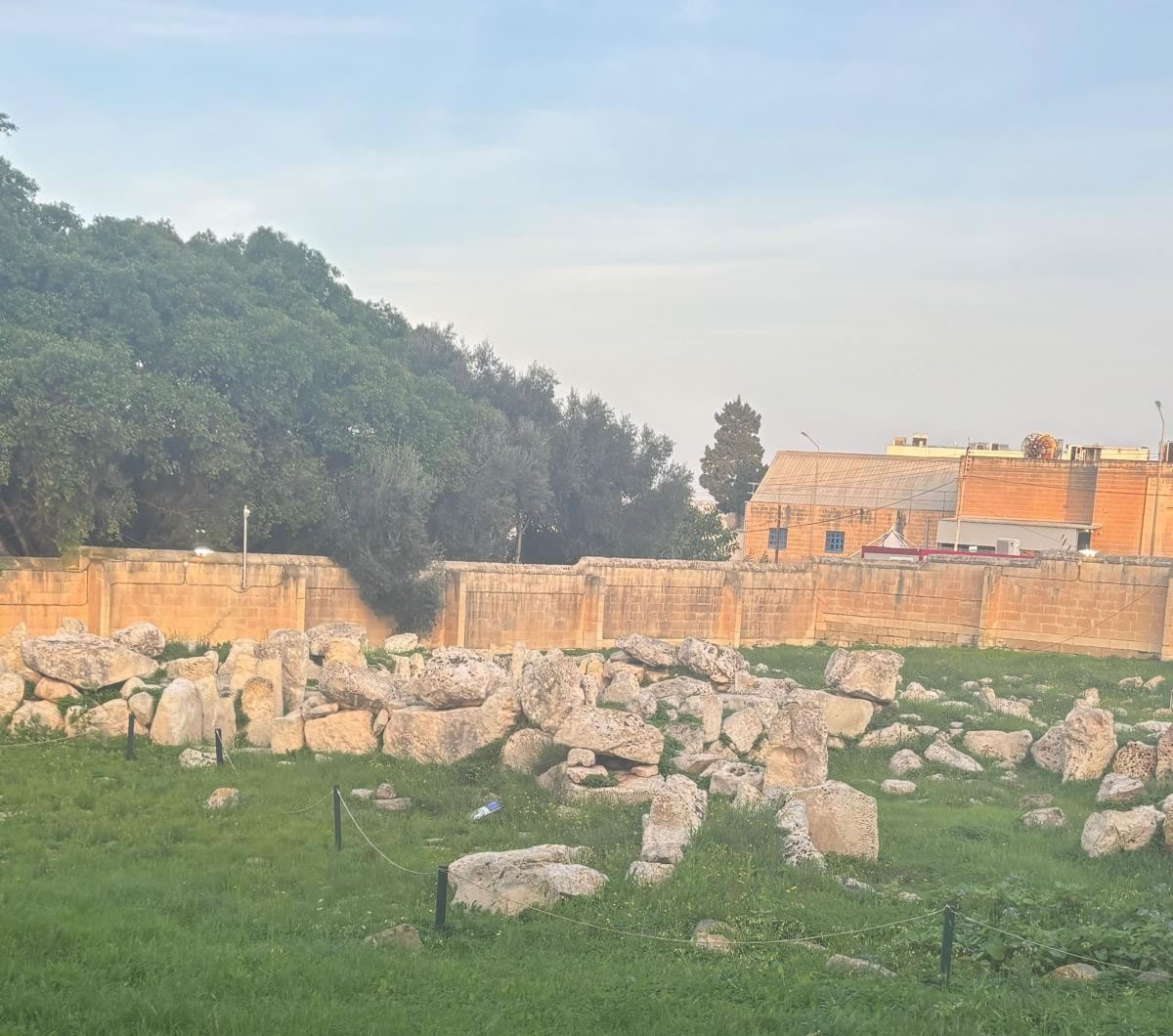
Originally, three temple complexes existed at Kordin (Kordin I, II, and III). However, due to industrial development and wartime destruction, only Kordin III survives today.
The site’s proximity to other major prehistoric monuments, including the Tarxien Temples and the Ħal Saflieni Hypogeum, highlights the importance of this region as a major centre of Neolithic activity in Malta.
Construction and Chronology
The earliest phase of Kordin III dates to around 3700 BC, during the Mġarr phase of Maltese prehistory. Most of the visible structure belongs to the Ġgantija phase (c. 3600–3200 BC), while continued use into the Tarxien phase demonstrates long-term occupation of the site.
The temple complex was ultimately abandoned around 2500 BC, marking the end of Malta’s temple-building culture.
Architectural Features
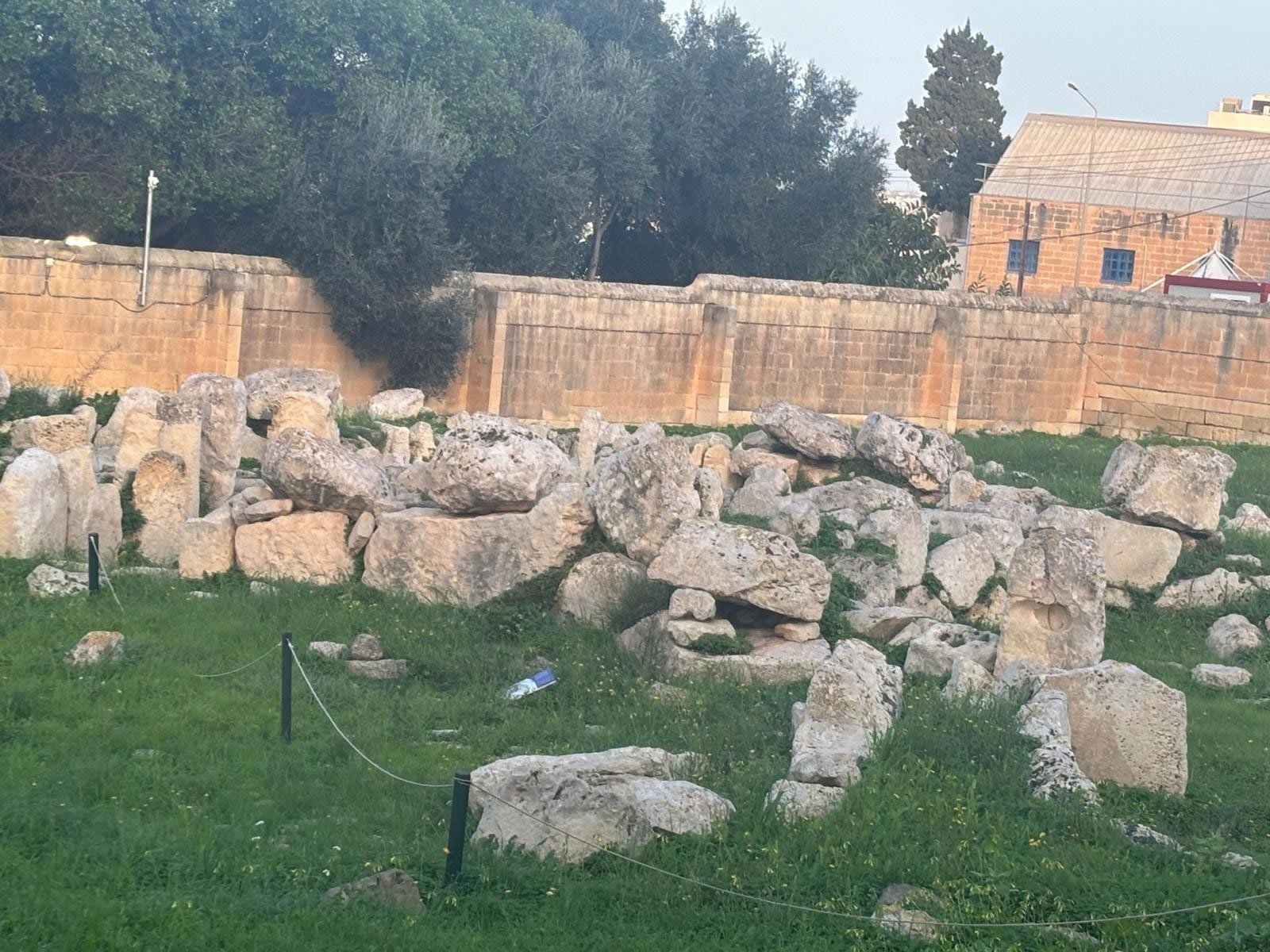
Kordin III consists of two adjoining temples, with the larger structure featuring a typical three-apse layout characteristic of Maltese megalithic temples.
- Concave façade and central entrance passage
- Stone-paved forecourt (unique among Maltese temples)
- Central courtyard leading to apses
- Secondary rooms possibly used for storage or ritual purposes
One of the most remarkable features of the site is a large limestone trough measuring approximately 2.75 metres in length, believed to have been used as a multiple quern for grinding grain.
Function and Use
Like other Maltese megalithic temples, Kordin III was likely used for ritual and ceremonial purposes. Archaeological evidence suggests that these structures served as communal centres for religious activity, possibly linked to fertility, agriculture, and seasonal cycles.
The presence of grinding tools indicates that food preparation may also have played a role in ritual practices conducted at the site.
Discovery and Excavation
The site was first cleared of debris in the 1870s by Cesare Vassallo. Further discoveries were made in 1882 by Antonio Annetto Caruana.
A more systematic excavation was carried out in 1909 by Thomas Ashby and Thomas Eric Peet, marking a major milestone in the scientific study of the site.
Additional archaeological work took place in the mid-20th century, helping to refine understanding of the temple’s structure and chronology.
Damage and Preservation
The Kordin temple complex has suffered significant damage over time. Parts of the site were destroyed in the 19th century during the construction of the Corradino Lines.
Further destruction occurred during World War II due to aerial bombardment, and subsequent industrial development led to the loss of Kordin I and II.
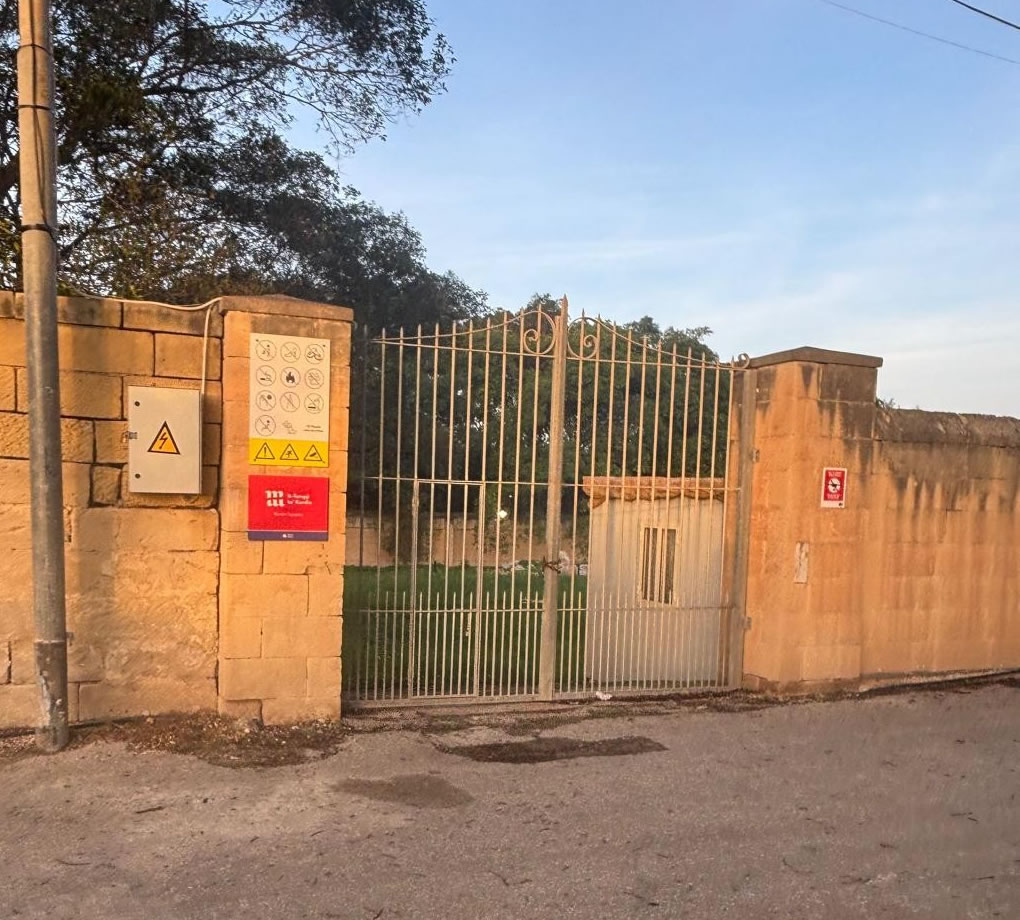
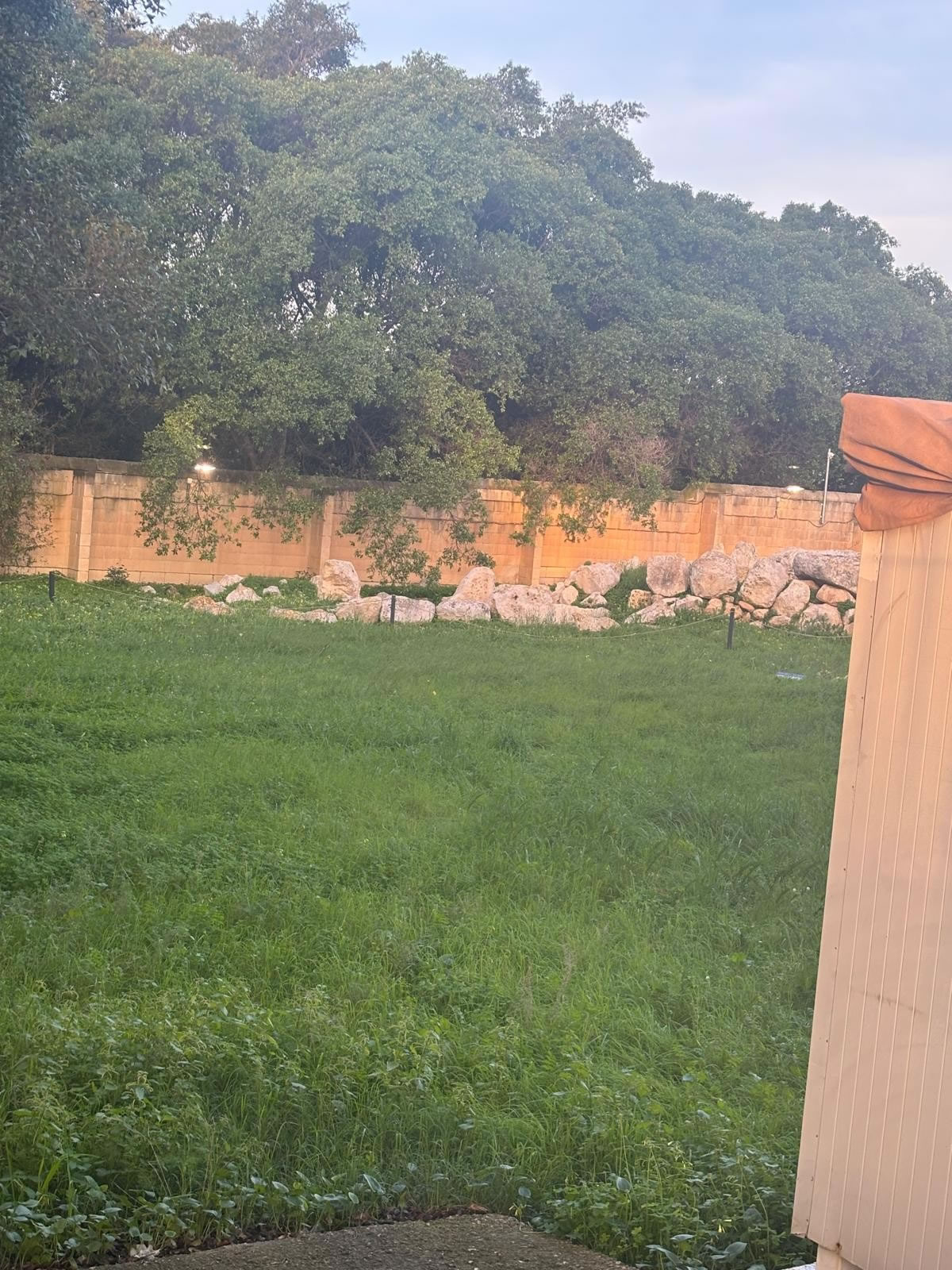
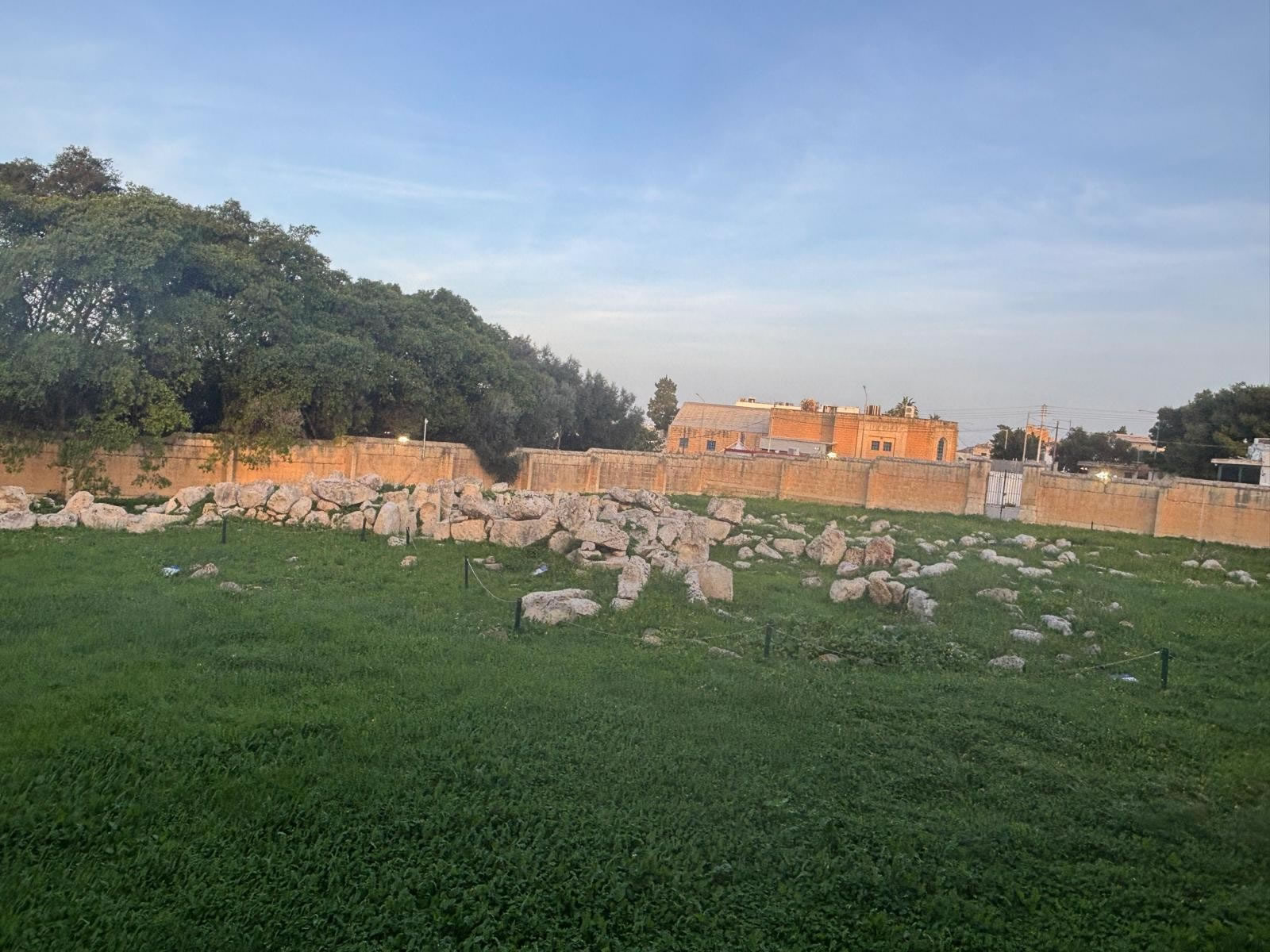
Despite this, Kordin III survived and was later enclosed within a protective boundary wall in 1925 to safeguard the remaining structures.
Modern Management and Access
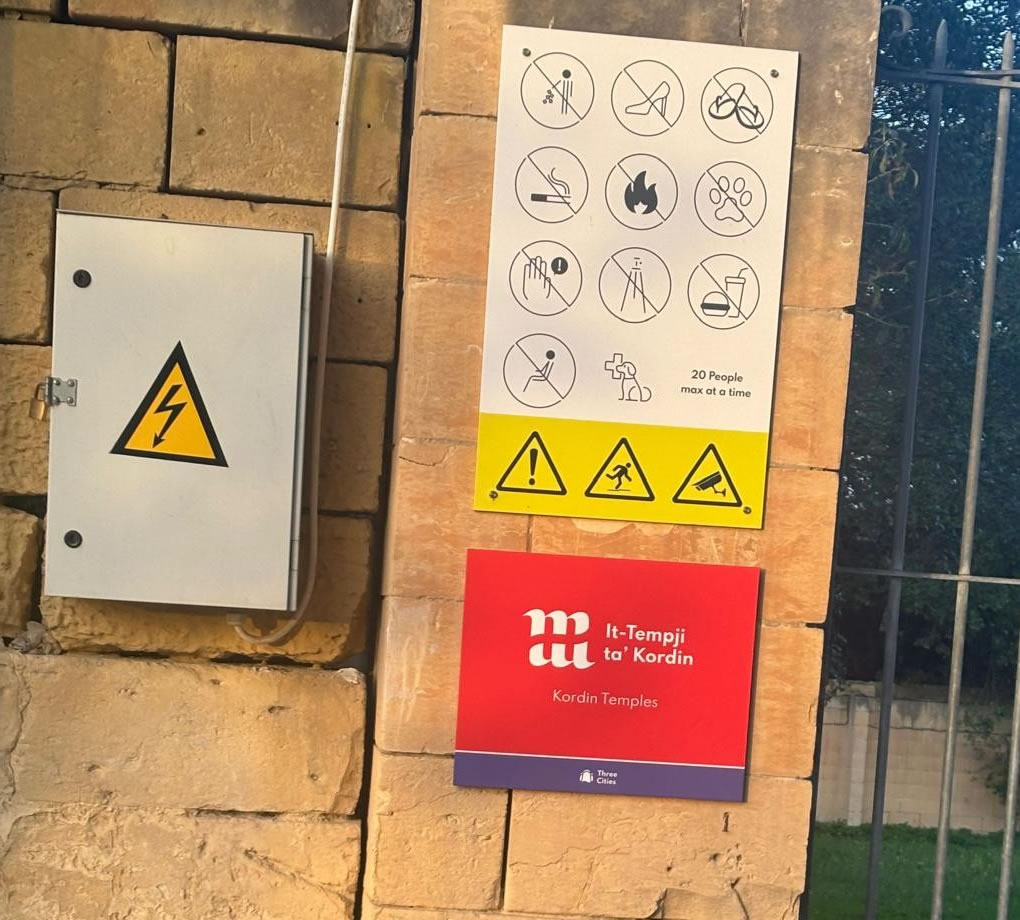
Today, Kordin III is managed as part of Malta’s national heritage and has been integrated into the broader network of megalithic temple sites overseen by Heritage Malta.
The site is not always open to the general public and is typically accessible through guided visits or special arrangements.
Historical Timeline
- c. 3700 BC: Initial construction (Mġarr phase)
- c. 3600–3200 BC: Expansion (Ġgantija phase)
- c. 3000 BC: Continued use (Tarxien phase)
- c. 2500 BC: Abandonment
- 1870s: Site cleared
- 1882: Additional discoveries
- 1909: Major excavation
- 1925: Protective enclosure built
- World War II: Damage from bombing
- Modern era: Managed by Heritage Malta
Visitor Information
Location: Corradino Heights, Paola, Malta
Coordinates: 35.877103, 14.509008
Visitors interested in Malta’s prehistoric heritage often combine a visit to Kordin III with nearby archaeological sites, making the area one of the most historically dense regions on the island.
Conclusion
Kordin III stands as a rare surviving example of Malta’s ancient temple culture. Despite centuries of destruction and change, it continues to offer valuable insights into prehistoric life on the islands. Its architectural uniqueness, archaeological significance, and historical resilience make it an essential site for understanding Malta’s Neolithic past.