📍 Location
Location Map Coordinates 35.846040, 14.551845
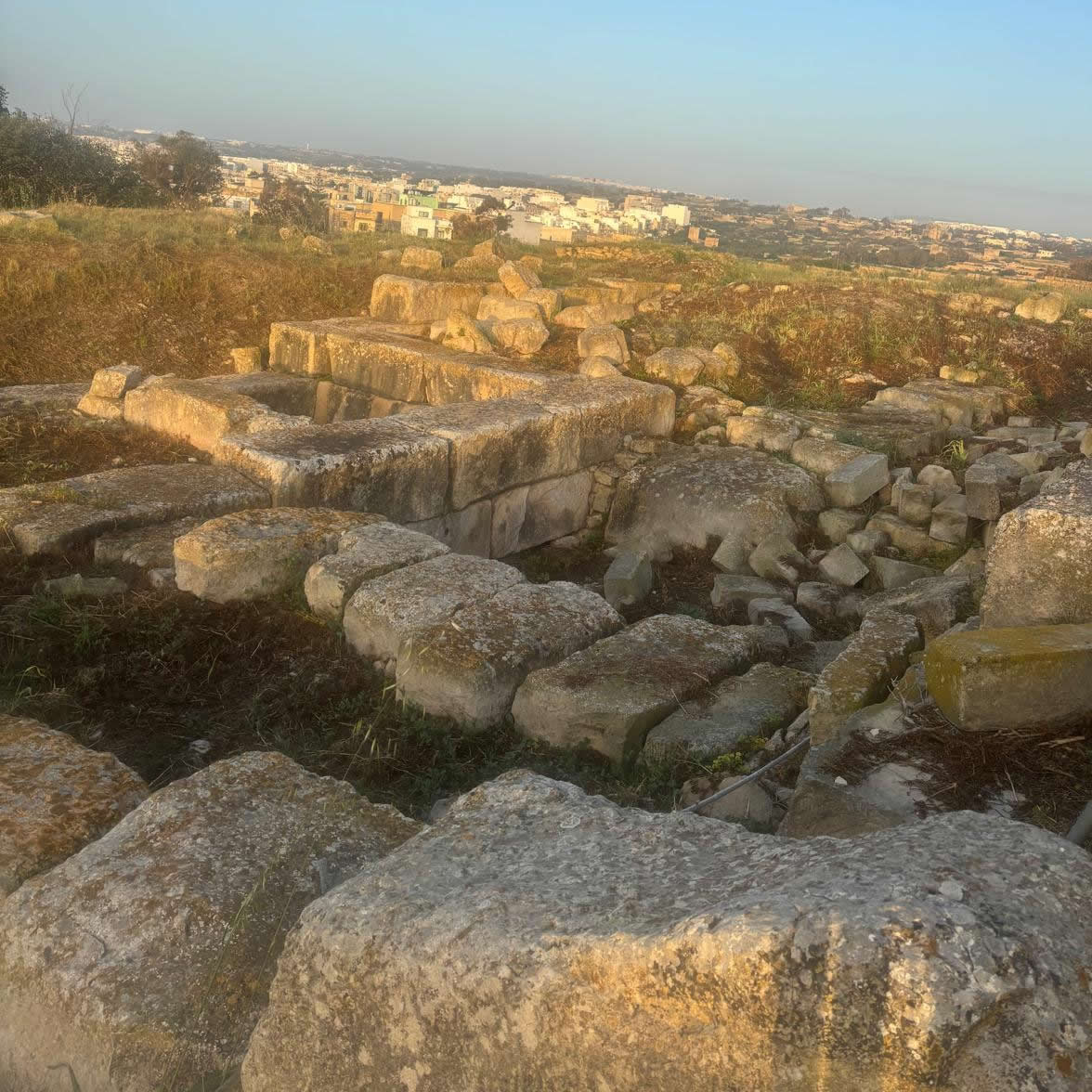
The Tas-Silġ Archaeological Site, located near Marsaxlokk at coordinates 35.846040, 14.551845, is one of Malta’s most significant and complex heritage sites. It is unique in the Maltese Islands due to its continuous use as a sacred site for over 5,000 years, spanning from the Neolithic temple period through Phoenician, Roman, and Byzantine eras.
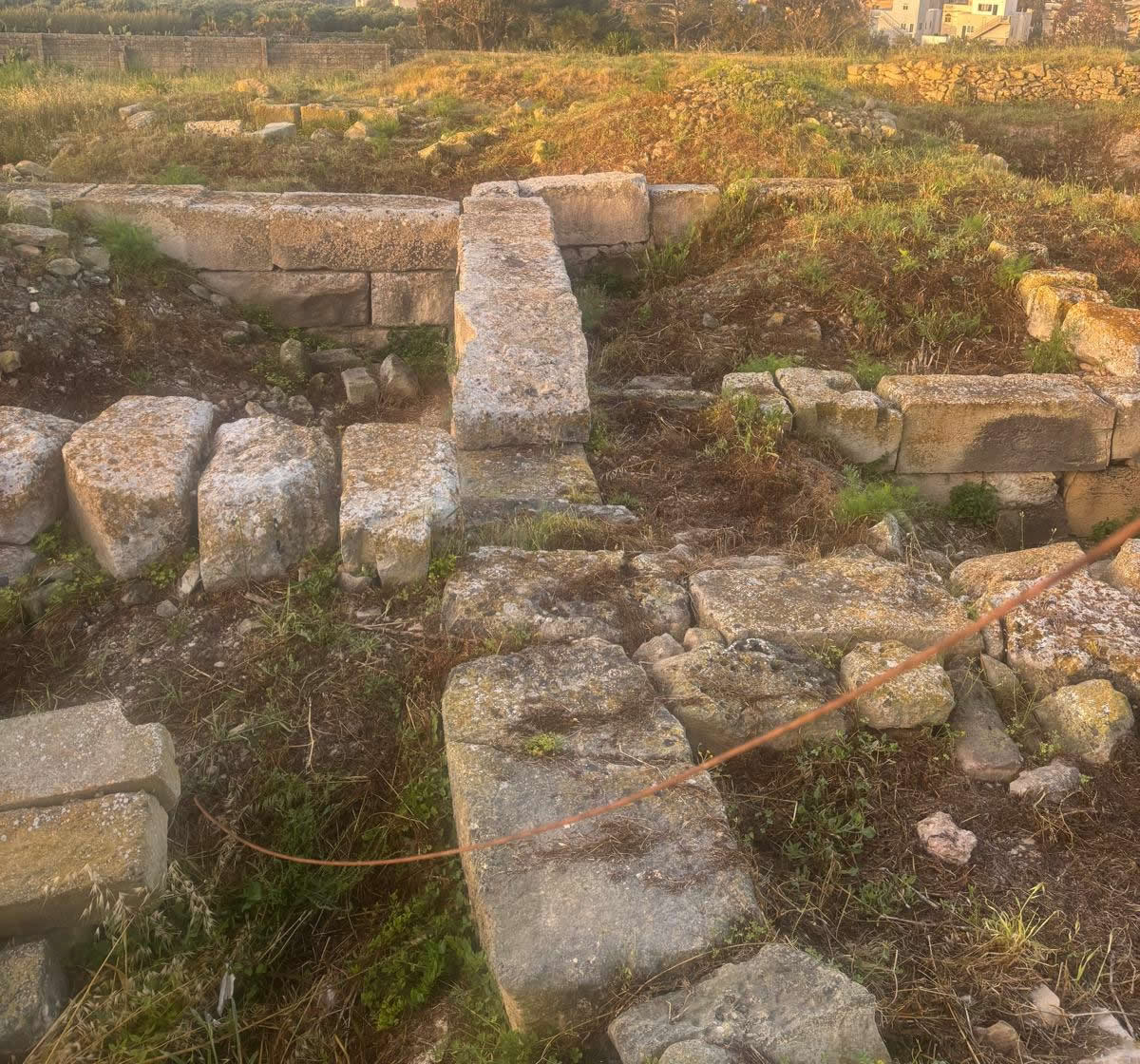
Situated on a hill overlooking Marsaxlokk Bay and major ancient maritime routes, Tas-Silġ functioned as a major religious sanctuary of Mediterranean importance, attracting worshippers, traders, and travellers across different civilizations.
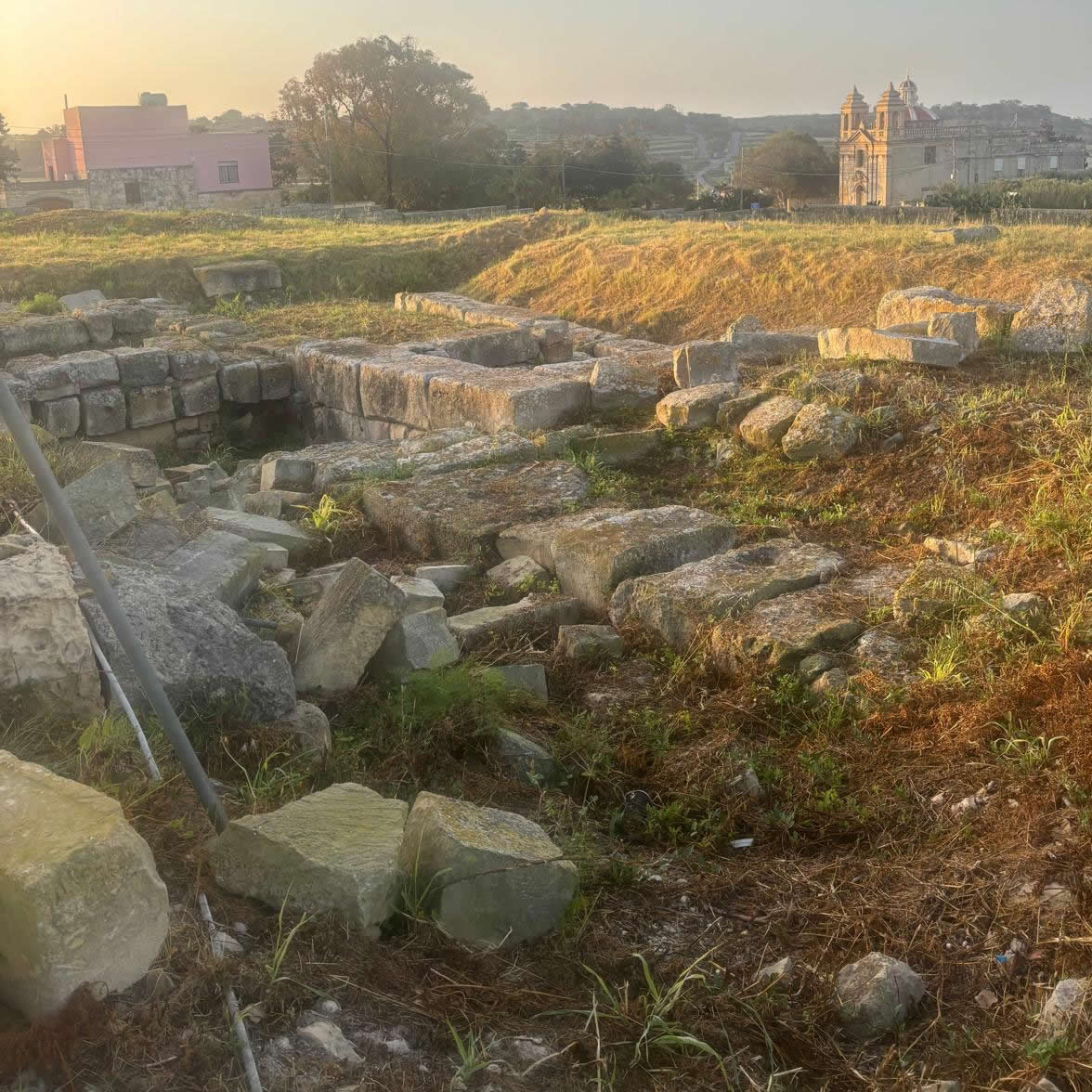
Prehistoric Origins – The Temple Period (c. 3150–2500 BC)
The earliest phase of Tas-Silġ dates back to the Tarxien phase of Maltese prehistory (c. 3150–2500 BC), when a megalithic temple complex was constructed on the site.
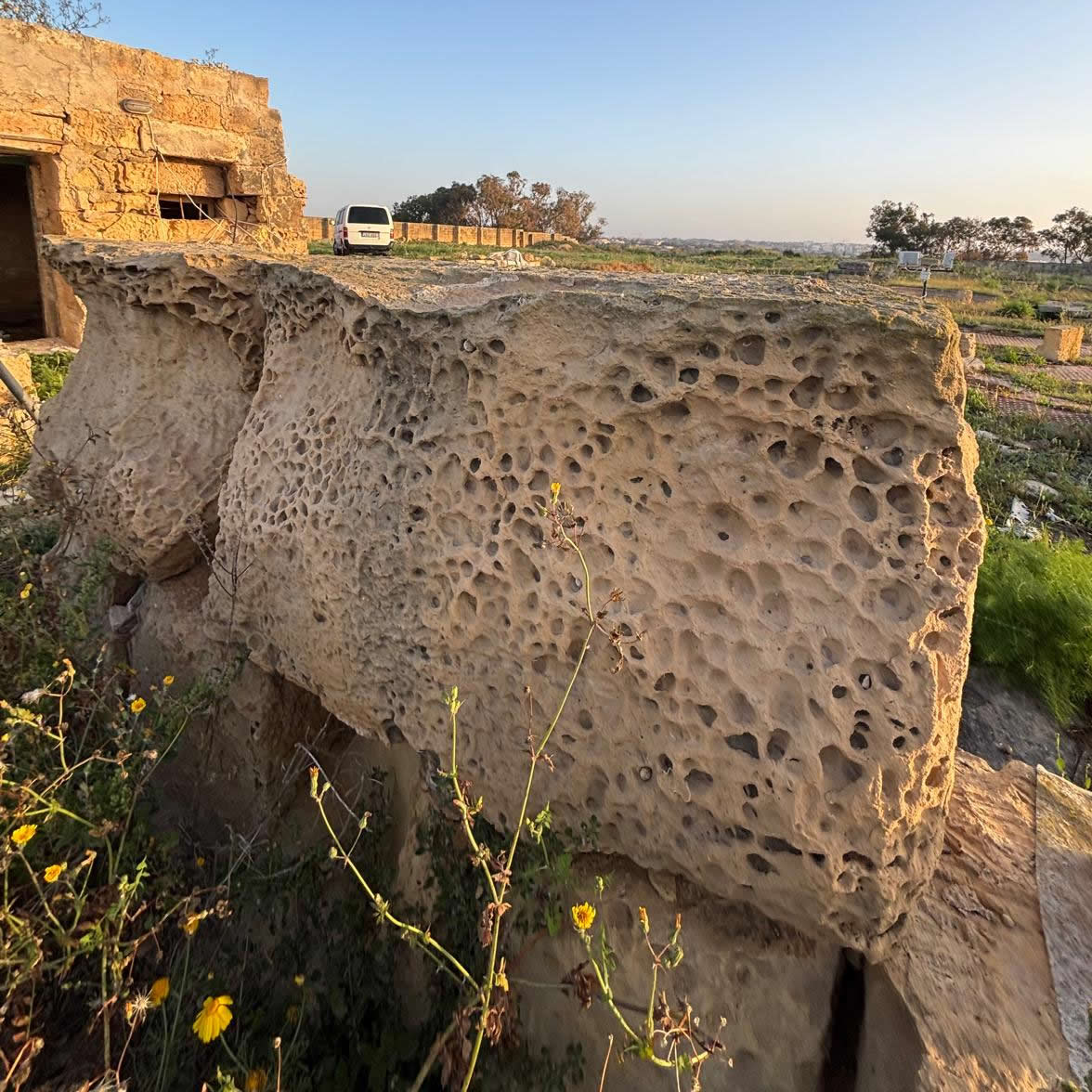
These temples were built using massive limestone blocks and formed part of Malta’s wider network of prehistoric sacred sites, which are among the oldest free-standing stone structures in the world.
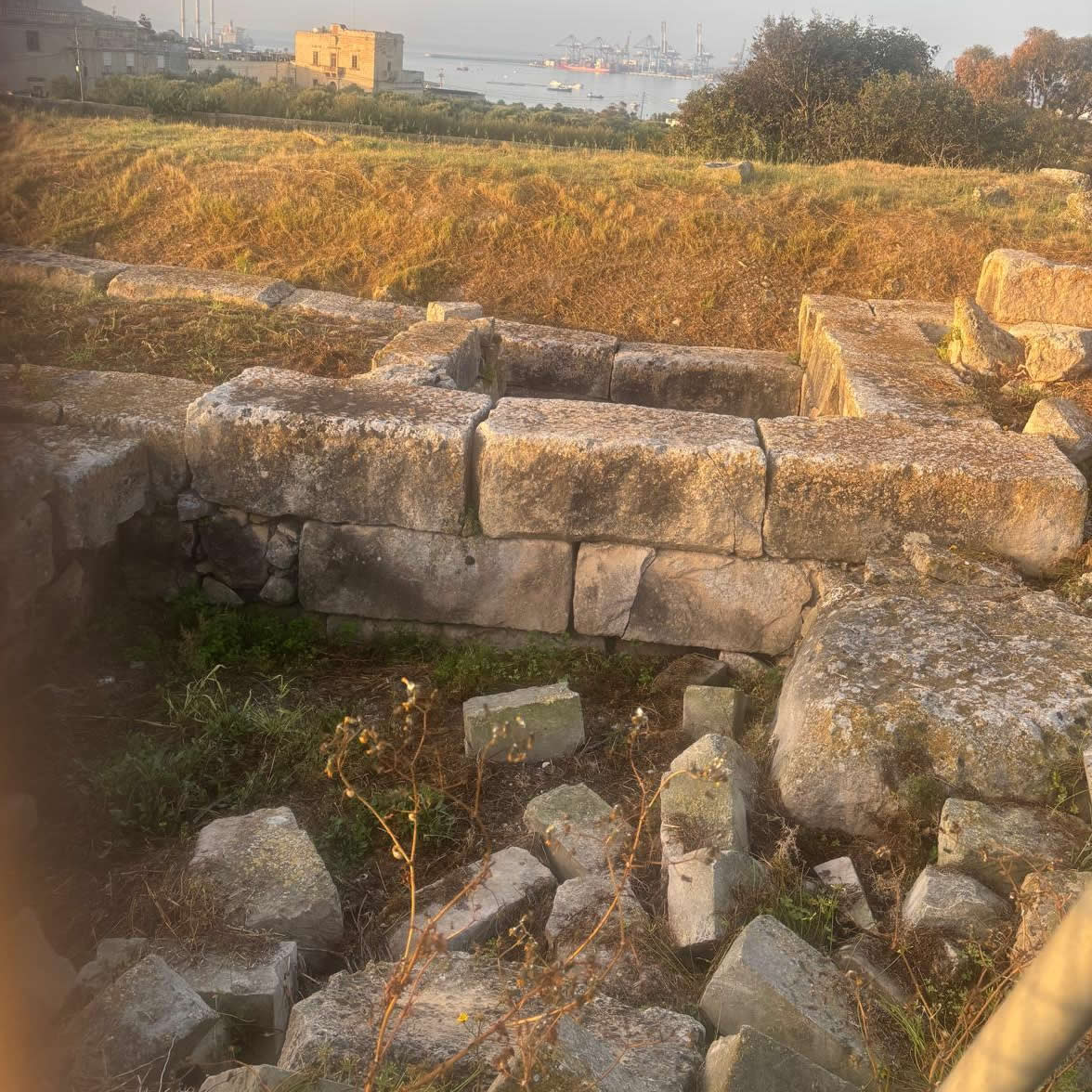
Archaeological evidence suggests that:
- The complex likely consisted of multiple interconnected temples
- A distinctive D-shaped megalithic structure formed part of the original design
- The site may have included surrounding habitation areas
Unlike many other Maltese temples, Tas-Silġ shows signs of architectural experimentation, including rectilinear features alongside traditional curved apses, making it a particularly important site for understanding prehistoric building techniques.
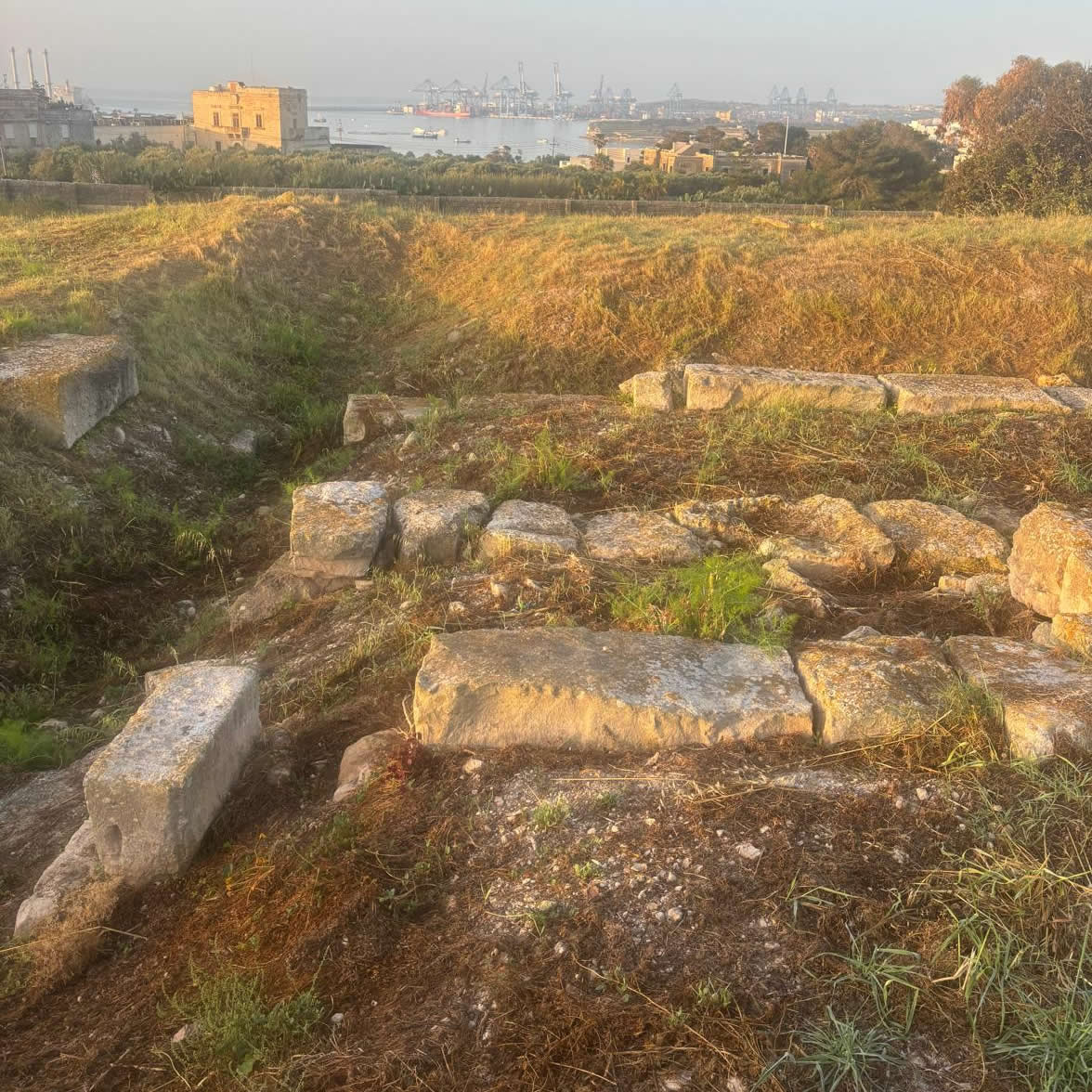
Bronze Age Transformation (c. 2500–700 BC)
Following the decline of Malta’s temple-building culture around 2500 BC, the site underwent significant changes during the Bronze Age (Borġ in-Nadur phase).
Rather than continuing as a purely religious centre, Tas-Silġ appears to have been partially converted into a settlement or communal space, reflecting broader shifts in Maltese society at the time.
Excavations have revealed:
- Domestic pottery and tools
- Evidence of habitation structures
- Reuse of earlier temple materials
This transition illustrates how sacred spaces in Malta were adapted rather than abandoned, maintaining continuity across cultural changes.
Phoenician and Punic Sanctuary (c. 8th–3rd Century BC)
One of the most important phases in the history of Tas-Silġ occurred during the Phoenician and Punic periods, when the site was transformed into a sanctuary dedicated to the goddess Astarte.
The Phoenicians adapted the earlier temple structures to suit their own religious practices, while preserving the sacred character of the location.
Key developments during this period include:
- Construction of new temple buildings on earlier foundations
- Use of ashlar masonry and formal layouts
- Evidence of ritual offerings and votive inscriptions
Tas-Silġ became a major religious centre connected to Mediterranean trade networks, demonstrating Malta’s strategic role as a maritime hub.
Roman Period – Temple of Juno (c. 3rd Century BC – 4th Century AD)
During the Roman period, the sanctuary evolved into an internationally renowned religious complex dedicated to the goddess Juno.
The Roman temple at Tas-Silġ was famously described by the orator Cicero in the 1st century BC, who noted its wealth and importance.
Historical accounts suggest that the temple contained valuable offerings and artworks, including:
- Decorative ornaments of high craftsmanship
- An ivory statue of Victory
- Rich votive deposits
Its coastal position made it a prominent landmark for sailors, and it functioned as both a religious sanctuary and a centre of exchange for goods and cultural interaction.
Byzantine Period and Early Christian Use
In late antiquity, the site underwent another transformation as Christianity spread across Malta.
The Roman sanctuary was partially converted into a Byzantine basilica and monastery, marking the continuation of religious use into the early medieval period.
This phase highlights the remarkable continuity of Tas-Silġ as a sacred location, with each culture adapting the site to its own beliefs while maintaining its spiritual significance.
Decline and Medieval Period
After the Byzantine period, the site gradually declined, particularly during the medieval era when coastal areas of Malta were vulnerable to raids.
Many structures fell into ruin, and building materials were often reused elsewhere. Over time, the site became buried beneath layers of soil and agricultural activity.
Rediscovery and Archaeological Excavations
Although referenced in historical texts, the exact location of the ancient sanctuary remained uncertain until the 20th century.
Major archaeological investigations began with the Italian Archaeological Mission (1963–1970), which confirmed the site’s identification as the sanctuary mentioned by classical authors.
Further excavations were conducted by the University of Malta between 1996 and 2005, revealing:
- Stratified layers from multiple historical periods
- Punic inscriptions and ritual deposits
- Evidence of continuous occupation spanning millennia
These discoveries established Tas-Silġ as one of Malta’s most important archaeological sites, offering a rare example of long-term religious continuity.
Architecture and Layout
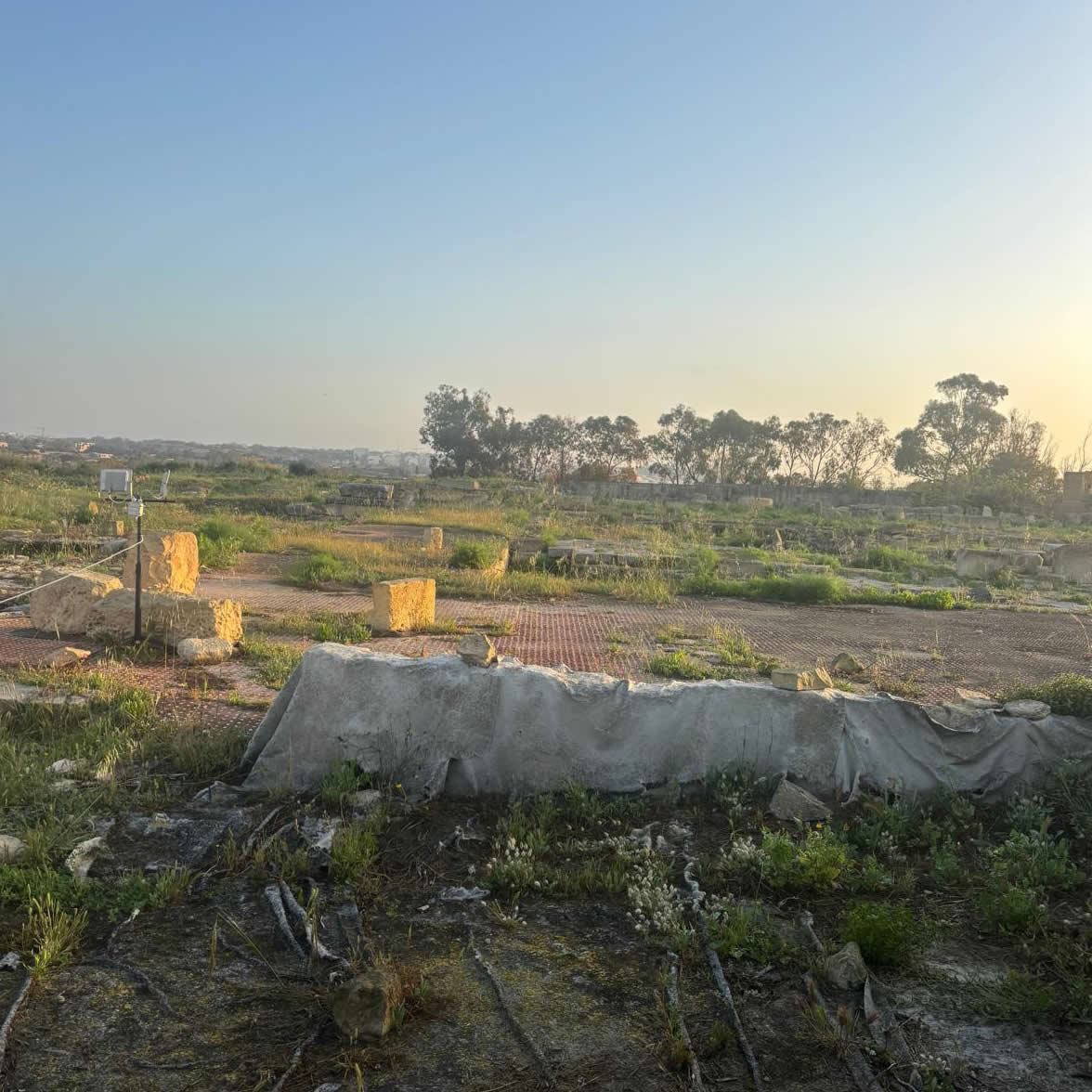
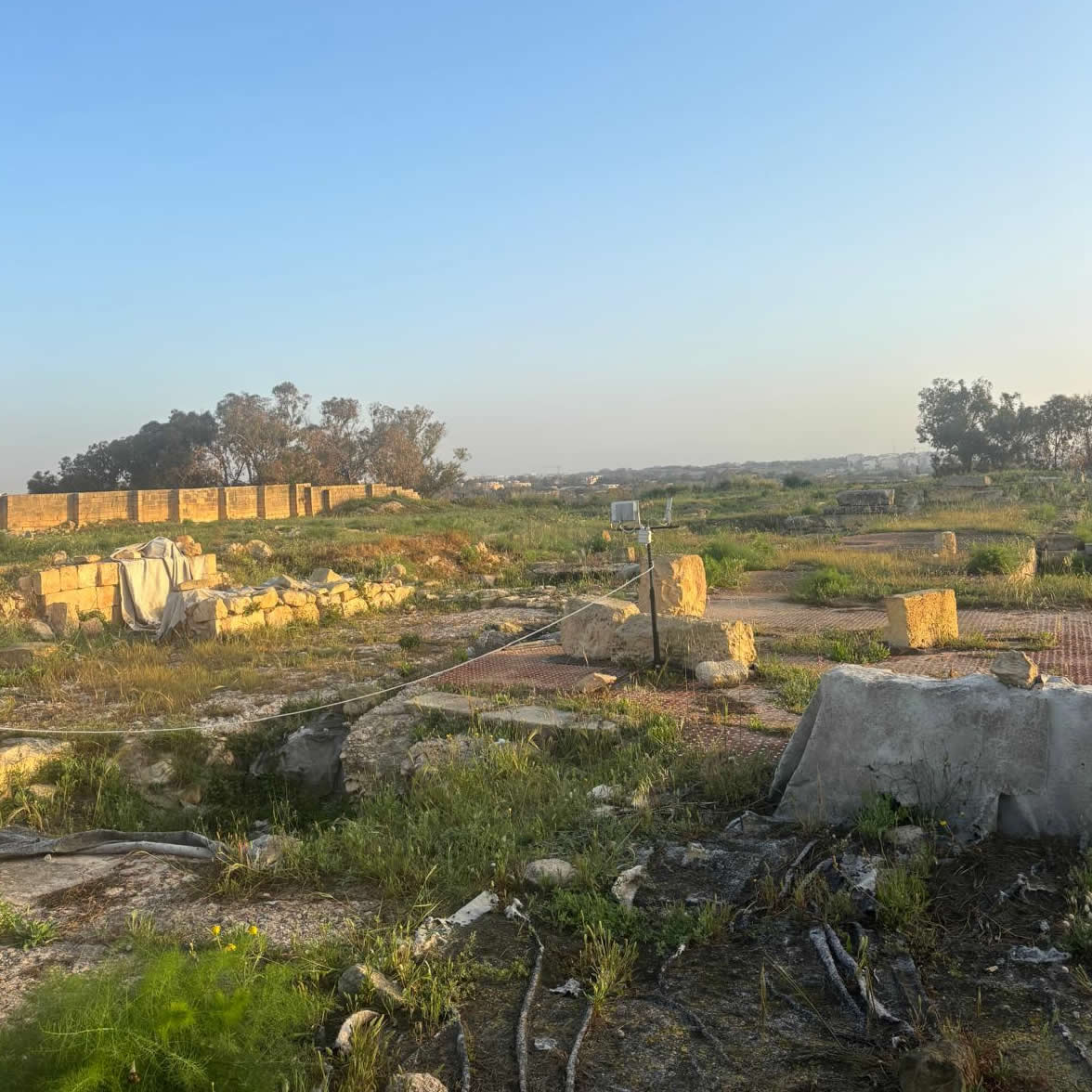
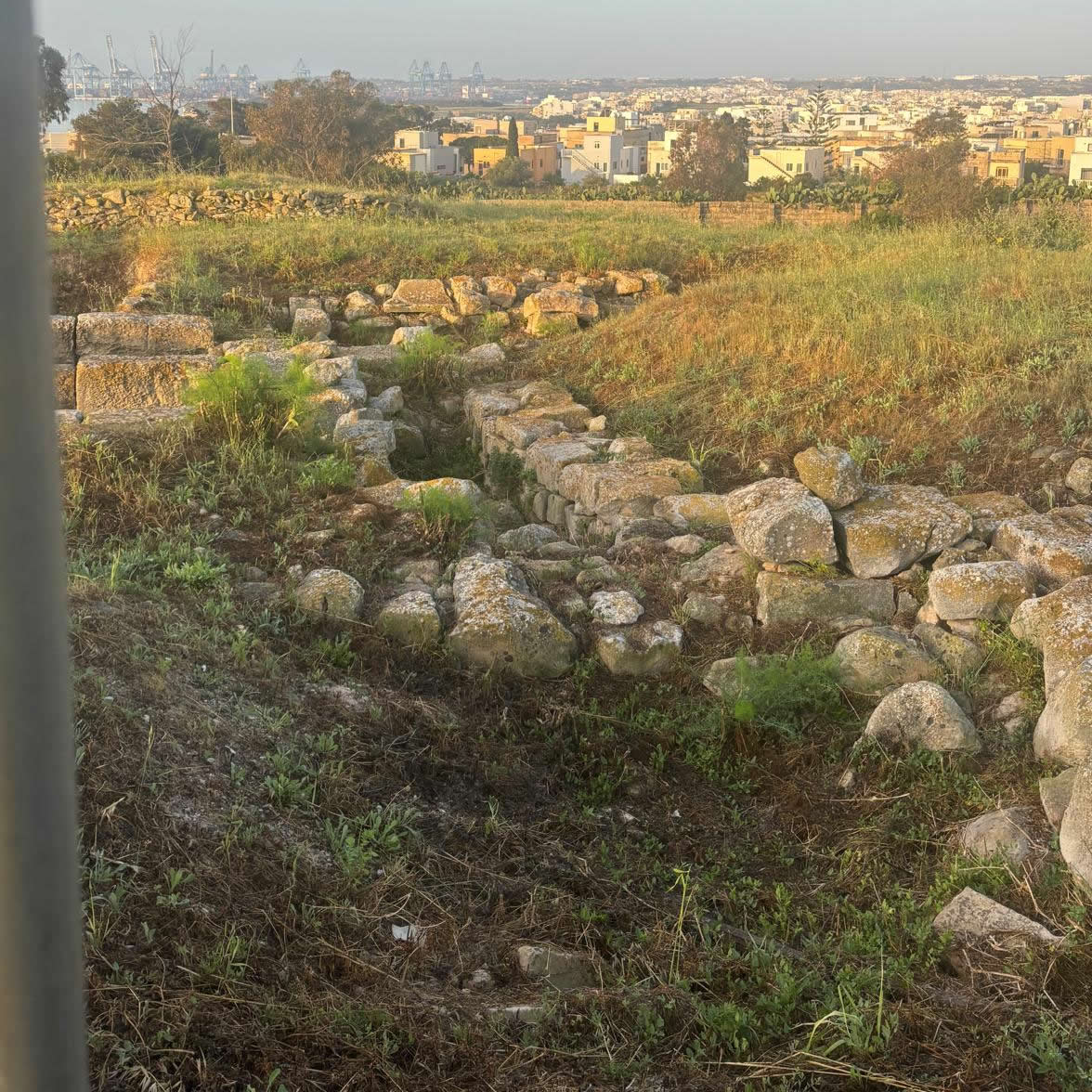
The site is characterised by overlapping architectural phases rather than a single unified structure.
Notable features include:
- Megalithic temple remains with apsidal layouts
- Phoenician and Punic ashlar constructions
- Roman temple modifications
- Byzantine basilica remains
This layered construction provides valuable insight into how sacred architecture evolved over time, adapting to new cultural and religious influences.
Religious and Cultural Significance
Tas-Silġ is widely regarded as the longest continuously used sacred site in Malta, with evidence of ritual activity spanning over five millennia.
Its importance lies in:
- Its multi-period occupation
- Its role in Mediterranean trade and religion
- Its connection to classical historical sources
- Its contribution to understanding Maltese prehistory
Visiting Tas-Silġ
Tas-Silġ is located near Marsaxlokk and overlooks important coastal routes. While access may be limited due to ongoing research and preservation, the site remains a key destination for those interested in Malta’s ancient past.
Frequently Asked Questions (FAQ)
What is Tas-Silġ?
Tas-Silġ is a multi-period archaeological sanctuary in Malta used continuously from prehistoric times to the Byzantine period.
How old is the site?
The earliest structures date to around 3150 BC, making it over 5,000 years old.
Which civilizations used the site?
Prehistoric Maltese, Bronze Age communities, Phoenicians, Romans, and Byzantines all used the site.
Why is it important?
It is one of the longest continuously used religious sites in the Mediterranean.
Can visitors access the site?
Access is limited, but the site can be viewed externally and through guided heritage initiatives.