Grand Masters’ Crypt – St John’s Co-Cathedral, Valletta, Malta
Home » St John’s Co-Cathedral » Grand Master Philip de Villiers L’Isle-Adam
Introduction
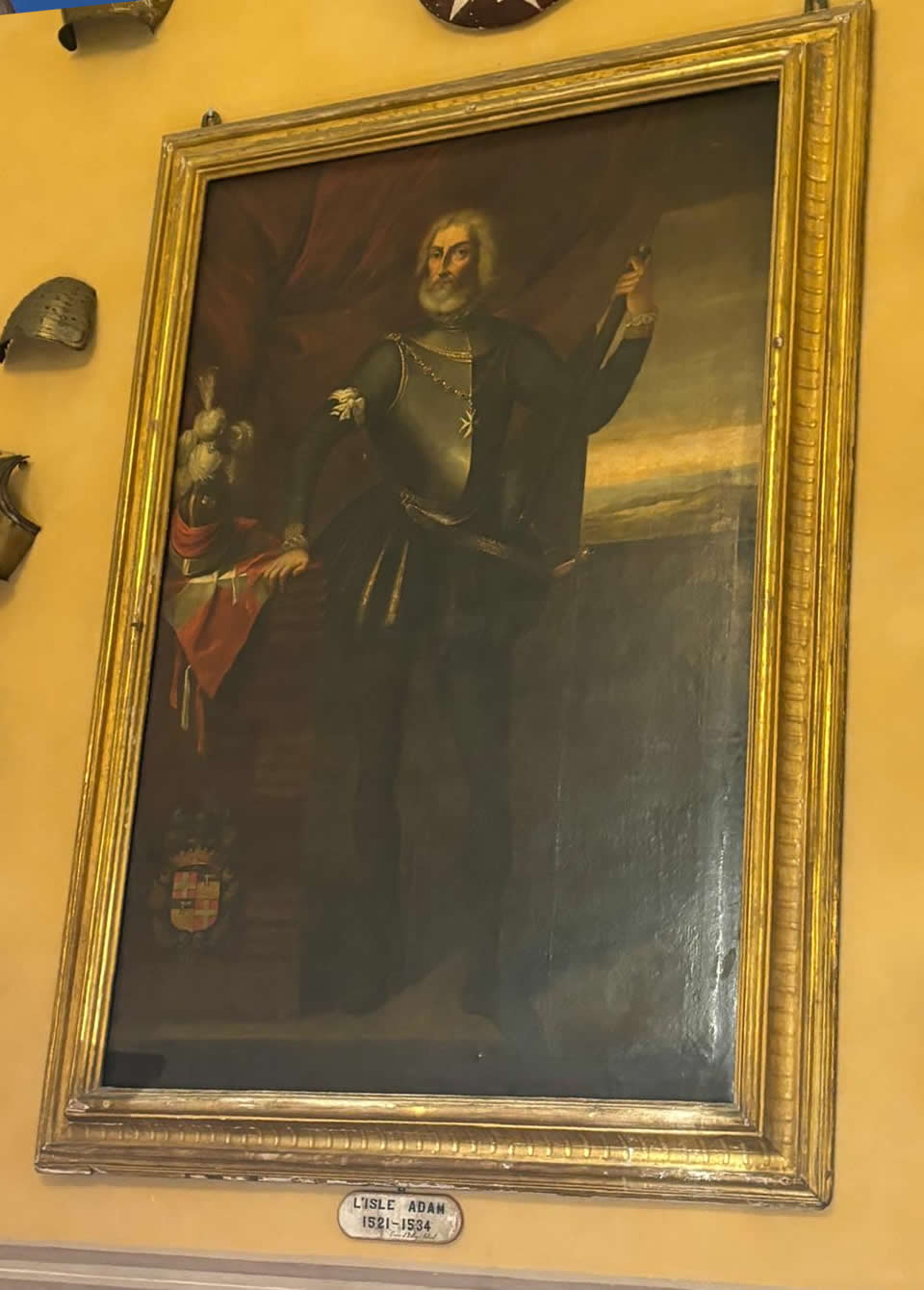
Grand Master Frà Philip de Villiers L’Isle-Adam is one of the most pivotal figures in Maltese history and the history of the Order of the Knights of St John. As the 44th Grand Master, his leadership marked a turning point in the Order’s survival and transformation, most notably through his role in establishing the Knights in Malta in 1530.
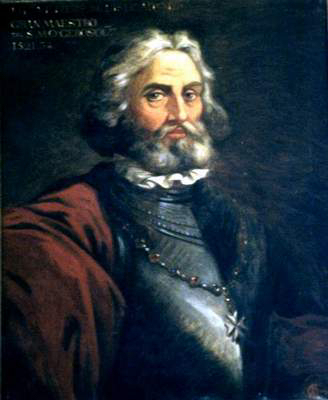
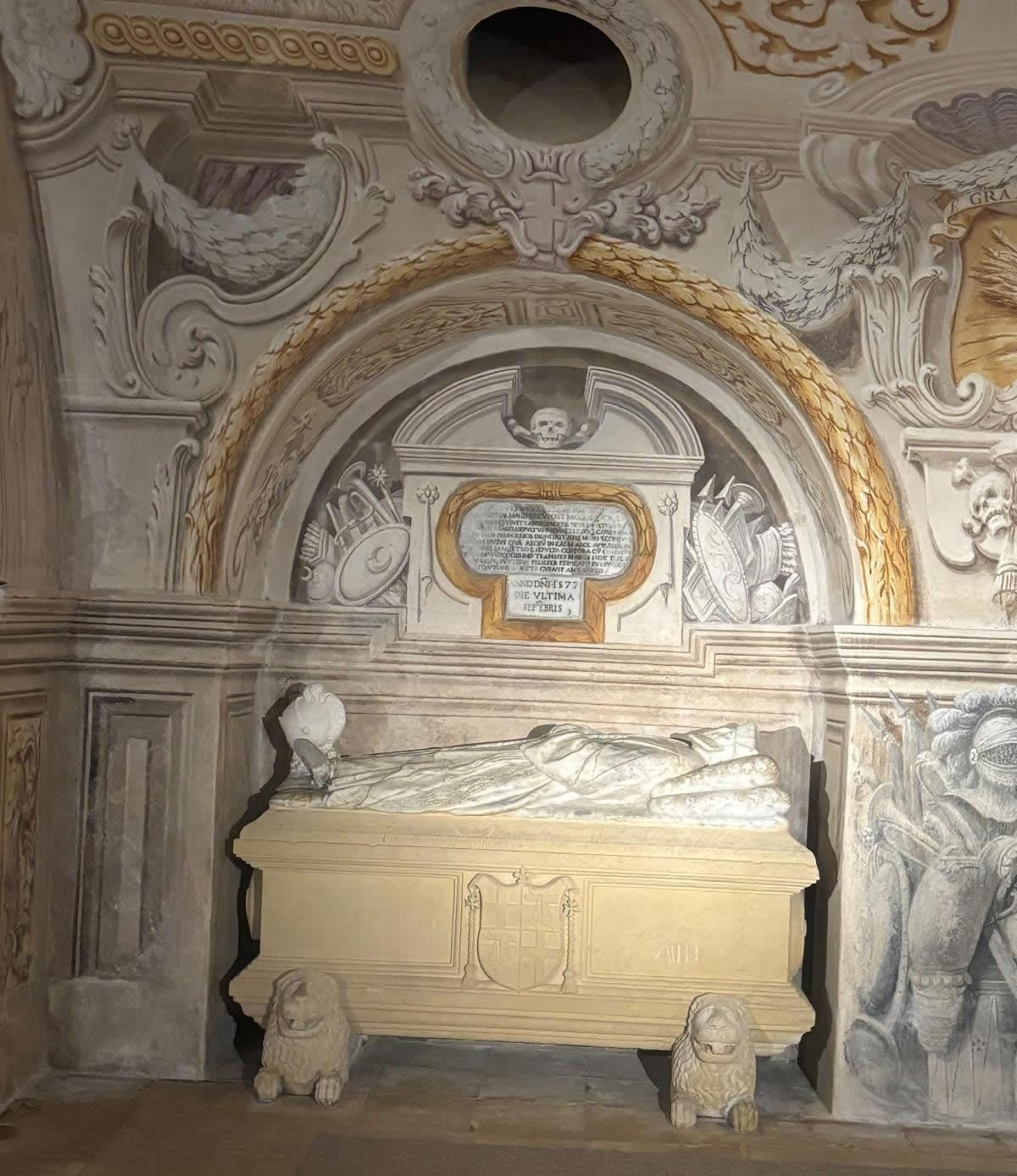
Although he died decades before the construction of St John’s Co-Cathedral, his remains were later transferred to the Grand Masters’ Crypt beneath the cathedral in Valletta — placing him among the most revered leaders of the Order in Malta.
Early Life and Rise to Power
Philip de Villiers L’Isle-Adam was born in 1464 in Beauvais, France, into a noble family. From an early age, he joined the Order of St John, which at the time was based in Rhodes. His military skill, leadership qualities, and diplomatic abilities quickly distinguished him among the Knights.
Before becoming Grand Master, he held several key positions including Captain General of the Galleys and head of the Langue of France. His experience in naval warfare and governance prepared him for one of the most challenging periods in the Order’s history.
The Fall of Rhodes and Leadership Crisis
In 1521, L’Isle-Adam was elected Grand Master at a time of immense crisis. The Ottoman Empire, under Sultan Suleiman the Magnificent, launched a massive assault on Rhodes in 1522.
Despite a heroic defence, the Knights were forced to surrender after months of siege. L’Isle-Adam negotiated honourable terms, allowing the Knights to leave Rhodes with their weapons, relics, and dignity intact.
For several years after the loss of Rhodes, the Order remained without a permanent base, moving across Europe while seeking a new home.
The Arrival of the Knights in Malta (1530)
One of L’Isle-Adam’s greatest achievements came in 1530 when Emperor Charles V granted Malta to the Order of St John. On 26 October 1530, the Grand Master arrived in Malta and formally took possession of the island.
The ceremony in Mdina symbolised the beginning of a new era. The keys of the city were presented to him, signifying both authority and responsibility to protect the Maltese people.
Rather than settling in Mdina, L’Isle-Adam chose Birgu (Vittoriosa) as the Order’s base due to its strategic harbour. There, the Knights began constructing fortifications, auberges, and infrastructure that would later transform Malta into a formidable stronghold.
Grand Masters Palace, Valletta
Foundations of the Knights’ Power in Malta
Under L’Isle-Adam’s leadership, the Order laid the foundations for its future strength in Malta. Key developments included:
- Strengthening Fort St Angelo
- Establishing Birgu as the operational centre
- Organising the Langues within Malta
- Building defensive systems against Ottoman threats
These early efforts proved critical in preparing Malta for future conflicts, including the Great Siege of 1565, which occurred decades after his death but relied heavily on the groundwork he established.
Death and Original Burial (1534)
Grand Master L’Isle-Adam died on 21 August 1534 at the convent of Our Lady of Jesus in Rabat, Malta.
He was initially buried in the Chapel of St Anne within Fort St Angelo, the heart of the Knights’ early base in Malta. This burial reflected the importance of Birgu as the centre of the Order before Valletta was built.
Transfer to St John’s Co-Cathedral Crypt
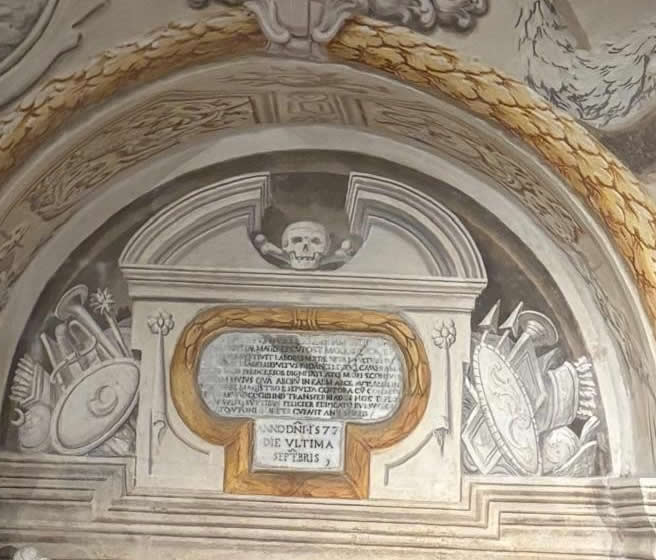
Following the construction of Valletta and St John’s Co-Cathedral in the late 16th century, the remains of several early Grand Masters — including L’Isle-Adam — were transferred to the cathedral’s crypt.
Today, he rests in the Grand Masters’ Crypt, beneath one of Malta’s most important religious and historical monuments. The cathedral itself, commissioned in 1572, became the conventual church of the Order and houses the tombs of many of its most distinguished leaders.
The Grand Masters’ Crypt and Tomb Significance
The Grand Masters’ Crypt is a solemn and historically rich space located beneath St John’s Co-Cathedral. It serves as the final resting place of key figures who shaped Malta’s destiny.
The marble floor above, composed of hundreds of tombstones of Knights, reflects the Order’s aristocratic and military heritage.
L’Isle-Adam’s presence in the crypt is especially significant because:
- He was the first Grand Master to establish the Order in Malta
- He laid the strategic foundations for the Knights’ future success
- He represents the transition from Rhodes to Malta
Legacy and Historical Importance
Philip de Villiers L’Isle-Adam is remembered as the Grand Master who ensured the survival of the Order during one of its darkest periods. His leadership during the loss of Rhodes and the transition to Malta demonstrated resilience, diplomacy, and vision.
Without his actions, the Knights of St John might not have continued as a powerful military and religious order. His decision to accept Malta as the Order’s new base ultimately led to the development of Valletta and the Order’s golden age in the Mediterranean.
Although he did not live to see the construction of Valletta or St John’s Co-Cathedral, his influence is embedded in their foundations.
Visiting the Tomb Today
Visitors to St John’s Co-Cathedral can explore the Grand Masters’ Crypt and reflect on the legacy of figures like L’Isle-Adam.
The crypt provides a powerful connection to Malta’s past, offering insight into the leaders who shaped the island’s identity.
Explore more about the cathedral and its history:
Frequently Asked Questions
Who was Philip de Villiers L’Isle-Adam?
He was the 44th Grand Master of the Knights of St John and the leader who brought the Order to Malta.
When did the Knights arrive in Malta?
The Knights arrived in Malta in 1530 under his leadership.
Where is he buried today?
He is buried in the Grand Masters’ Crypt at St John’s Co-Cathedral in Valletta.
Why is he important in Maltese history?
He established the Knights in Malta, shaping the island’s future as a major Mediterranean stronghold.