
Grand Master Frà Rafael Cotoner was the 60th Grand Master of the Order of Saint John, ruling Malta from 5 June 1660 until 20 October 1663. Born in Mallorca in 1601 into the noble House of Cotoner, he belonged to the Langue of Aragon and rose through the ranks of the Order through merit, discipline, and administrative skill.
Although his reign lasted just over three years, it proved to be a decisive period in the artistic and military history of Malta. His leadership combined strong religious conviction, political diplomacy, and a commitment to enhancing the prestige of the Order of Saint John across Europe.
Early Life and Rise in the Order
Rafael Cotoner entered the Order of Saint John at a young age, following the tradition of noble families who dedicated sons to religious and military service. Over time, he distinguished himself through loyalty, administrative ability, and dedication to the Order’s mission.
Before his election as Grand Master, he held several important offices, including positions linked to the Langue of Aragon. His reputation for prudence and leadership made him a strong candidate when the Grand Mastership became vacant in 1660.
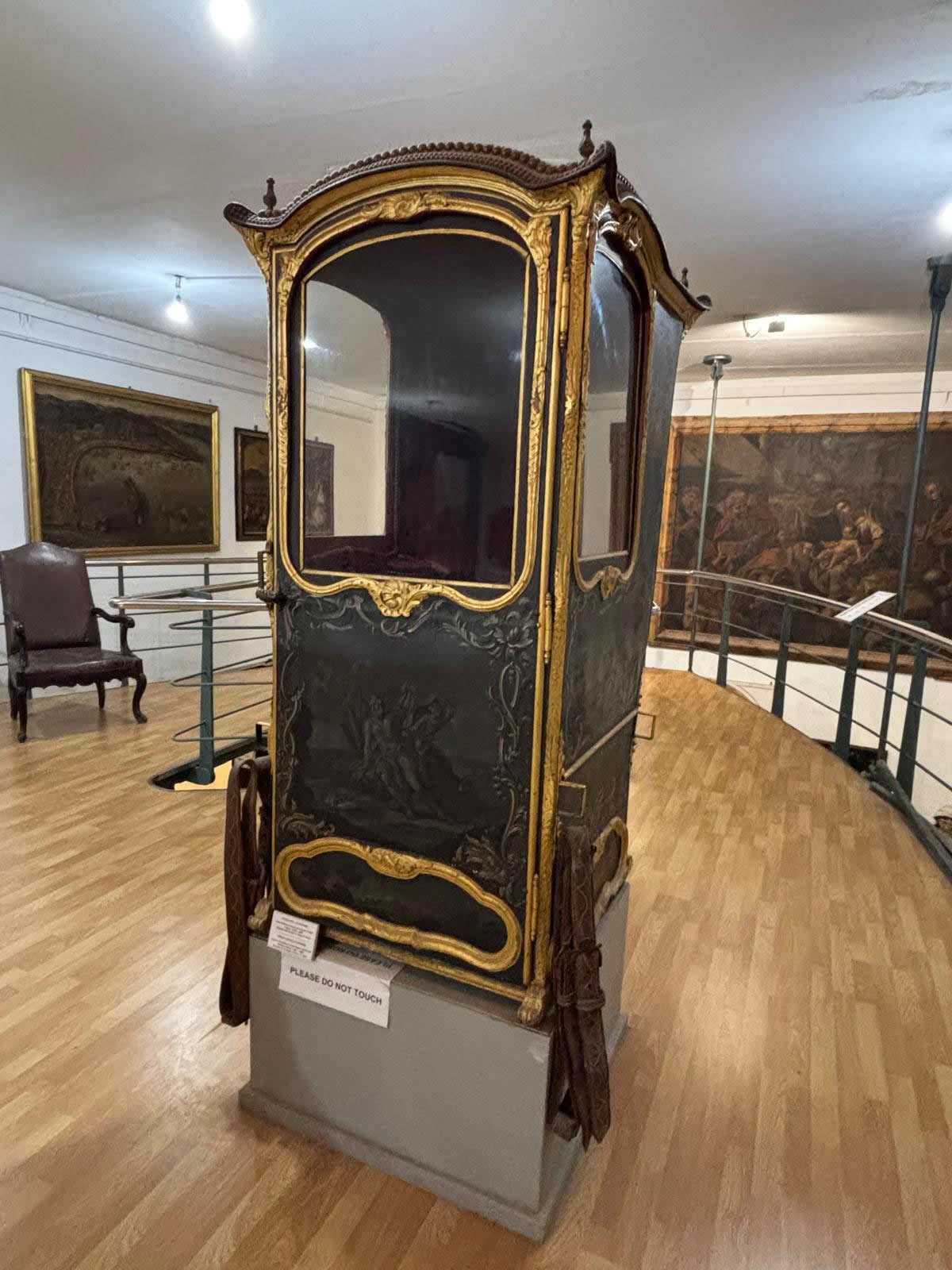
at the Żabbar Sanctuary Museum
Election as Grand Master (1660)
Following the death of Grand Master Annet de Clermont-Gessant, Rafael Cotoner was elected Grand Master on 5 June 1660. His election reflected both his personal reputation and the influence of the Spanish Langue within the Order.
His tenure came at a time when the Order faced both external threats from the Ottoman Empire and internal challenges requiring careful governance.
Military and Naval Activity
During his rule, the Order continued its active role in Mediterranean warfare, particularly against Ottoman forces. One of the most significant events of his reign was the support provided to the Venetian Republic during the Siege of Candia (modern Heraklion in Crete).
Cotoner sent Maltese forces to assist the Venetians, strengthening the Order’s reputation for military prowess and Christian defence.
The bravery of these forces earned recognition across Europe, and the Republic of Venice granted special privileges to members of the Order as a sign of gratitude.
Patron of Art and Architecture
One of Rafael Cotoner’s most enduring legacies is his contribution to the transformation of St John’s Co-Cathedral into one of the finest Baroque churches in Europe.
During his reign, he commissioned the renowned artist Mattia Preti to decorate the interior of the cathedral. This project included the famous painted ceiling depicting scenes from the life of St John the Baptist, as well as intricate stone carvings and gilded decoration.
This artistic programme marked a turning point in the visual identity of the cathedral, transforming it from a relatively austere structure into a masterpiece of Baroque art.
Works and Contributions in Malta
Beyond artistic patronage, Cotoner contributed to the infrastructure and welfare of Malta. He oversaw improvements to important institutions such as the Sacra Infermeria, enhancing healthcare facilities for the Order and the population.
His administration was characterised by stability, efficiency, and a commitment to strengthening the island’s defences and prosperity.
Death and Legacy
Rafael Cotoner died on 20 October 1663 in Valletta, reportedly after a short illness. His death marked the end of a brief but impactful reign.
He was succeeded by his younger brother, Grand Master Frà Nicolas Cotoner, continuing the influence of the Cotoner family within the Order.

Tomb in the Chapel of the Langue of Aragon
Grand Master Rafael Cotoner is buried in the Chapel of the Langue of Aragon within St John’s Co-Cathedral in Valletta.
This chapel, dedicated to Saint George, contains the funerary monuments of several Spanish Grand Masters, including Martin de Redin, Rafael Cotoner, Nicolas Cotoner, and Ramon Perellos.
The chapel is one of the most richly decorated in the cathedral, featuring elaborate Baroque ornamentation and works by Mattia Preti. The tomb of Rafael Cotoner forms part of a wider funerary ensemble reflecting the prestige of the Aragonese Langue.

Latin Inscription – Tomb of Grand Master Frà Rafael Cotoner
EPITAPHIVM
ARAGONVM QVORVMQVE TERIS MELITENSE SACELLVM
SACRA QVE SIGNA VIDES SISTE VIATOR ITER
HIC ILLE EST PRIMVS COTONERA E STIRPE MAGISTER
HIC ILLE EST RAPHAEL CONDITVS ANTE DIEM
TALIS ERAT CERVIX MELITENSI DIGNA CORONA
TALE FVIT BELLO CONSILIOQVE CAPVT
PRAEFVLGENS FIDES PIETAS CLEMENTIA PRVDENTIA
… (lower section worn and partially illegible)
English Translation
Epitaph.
You who tread this chapel of Aragon in Malta,
and behold these sacred emblems, pause, traveller.
Here lies the first Grand Master from the Cotoner lineage;
here lies Raphael, taken before his time.
Such was the man, worthy to bear the Maltese crown;
such was his leadership in war and in counsel.
Shining forth were his faith, piety, clemency, and prudence.
… (remaining portion damaged or incomplete)
The Chapel of Aragon
The Chapel of the Langue of Aragon is dedicated to Saint George and is renowned for its artistic richness. Its altarpiece, depicting Saint George on horseback, is considered one of Mattia Preti’s finest works.
The presence of multiple Grand Masters within this chapel highlights the importance of the Spanish Langue within the Order and its influence on the history of Malta.
Historical Significance
Rafael Cotoner’s reign, though short, represents a key transitional period in Maltese history. His military support for the Venetian war effort and his artistic patronage contributed significantly to the prestige of the Order.
His decision to commission the decoration of St John’s Co-Cathedral had a lasting impact, ensuring the cathedral’s place among the great artistic monuments of Europe.
Timeline
- 1601: Born in Mallorca, Spain
- Early life: Joined the Order of Saint John
- 5 June 1660: Elected Grand Master
- 1660–1663: Reign marked by military and artistic achievements
- 20 October 1663: Death in Valletta
- Burial: Chapel of Aragon, St John’s Co-Cathedral
Frequently Asked Questions
Who was Rafael Cotoner?
He was the 60th Grand Master of the Order of Saint John, ruling Malta from 1660 to 1663.
Where is he buried?
In the Chapel of the Langue of Aragon in St John’s Co-Cathedral, Valletta.
What is his main legacy?
He commissioned the Baroque decoration of St John’s Co-Cathedral and supported military campaigns against the Ottomans.