Introduction
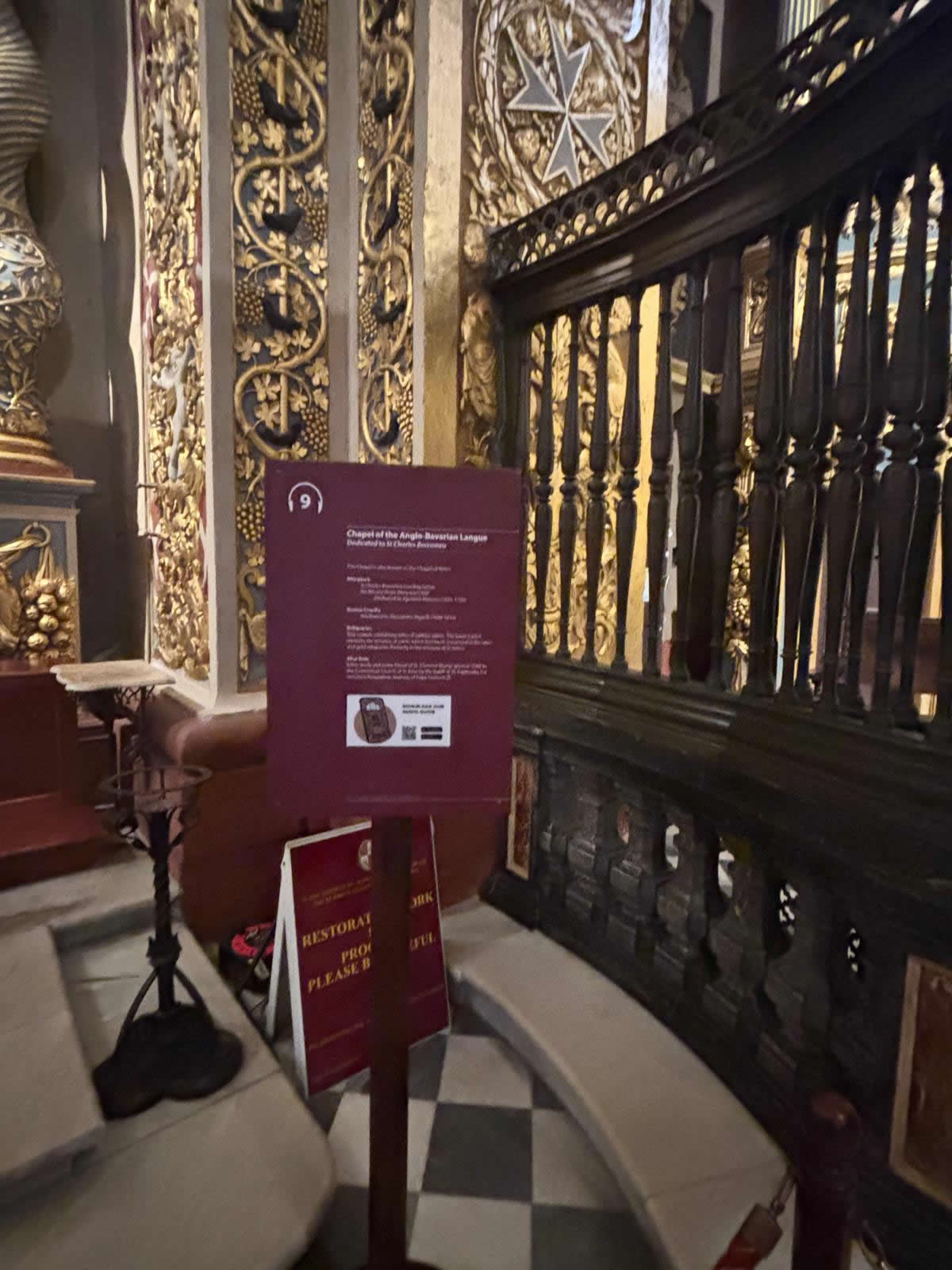
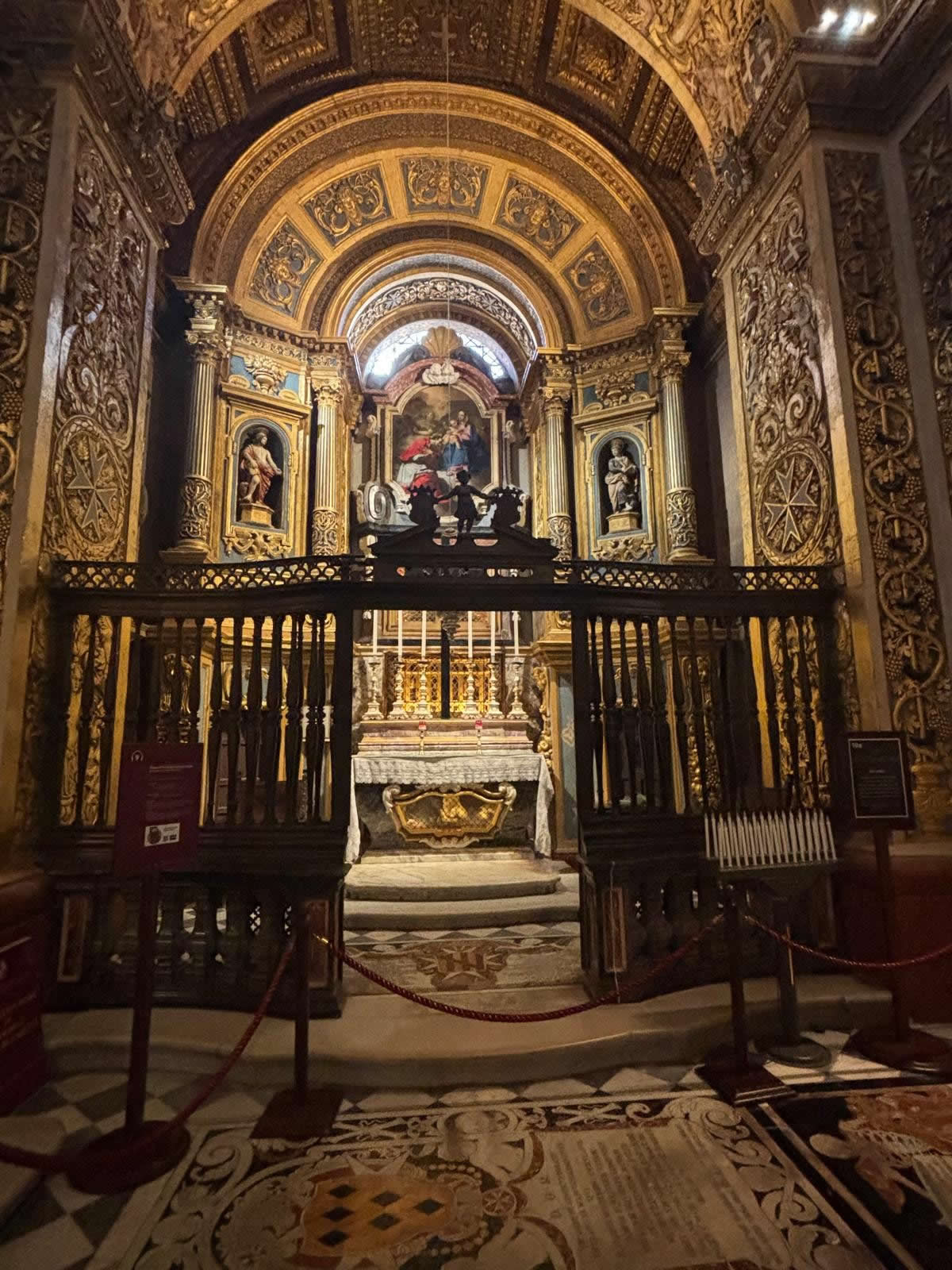
The Chapel of the Anglo-Bavarian Langue, located within St John’s Co-Cathedral in Valletta, Malta, represents one of the most historically complex and symbolically rich chapels of the Order of the Knights of St John. Distinguished by its unique Anglo-Bavarian identity and its former role as the repository of sacred relics, the chapel offers a fascinating insight into the evolving political and religious history of the Order.
Unlike other chapels which reflect stable regional divisions, this chapel embodies transformation, adaptation, and reintegration within the Order, particularly following major religious and political upheavals in Europe.
Historical Context of St John’s Co-Cathedral
The cathedral itself was constructed between 1573 and 1577 under Grand Master Jean de la Cassière, following the Great Siege of Malta in 1565. Designed by Girolamo Cassar, it served as the conventual church of the Knights of St John.
Each of the eight chapels within the cathedral corresponds to one of the langues of the Order, representing different European regions and linguistic groups. The Anglo-Bavarian chapel is among the most historically distinctive due to its unusual formation and later integration.
The Anglo-Bavarian Langue
Originally, the English Langue was one of the founding divisions of the Order. However, during the 16th century, the English Reformation under Henry VIII led to the suppression of the Order’s properties in England and the effective dissolution of the English Langue.
In later years, knights associated with English traditions were incorporated into the Bavarian Langue, resulting in the creation of the Anglo-Bavarian Langue. This merger reflects the Order’s adaptability and its ability to reorganize in response to shifting political realities across Europe.
Dedication to Saint Charles Borromeo
The chapel is dedicated to Saint Charles Borromeo, one of the most important figures of the Counter-Reformation. His life and reforms symbolized discipline, education, and renewal within the Catholic Church, making him an appropriate patron for a chapel representing a reformed and reconstituted Langue.
This dedication aligns with the broader spiritual mission of the Order, which combined military, charitable, and religious functions.
The Chapel of Relics
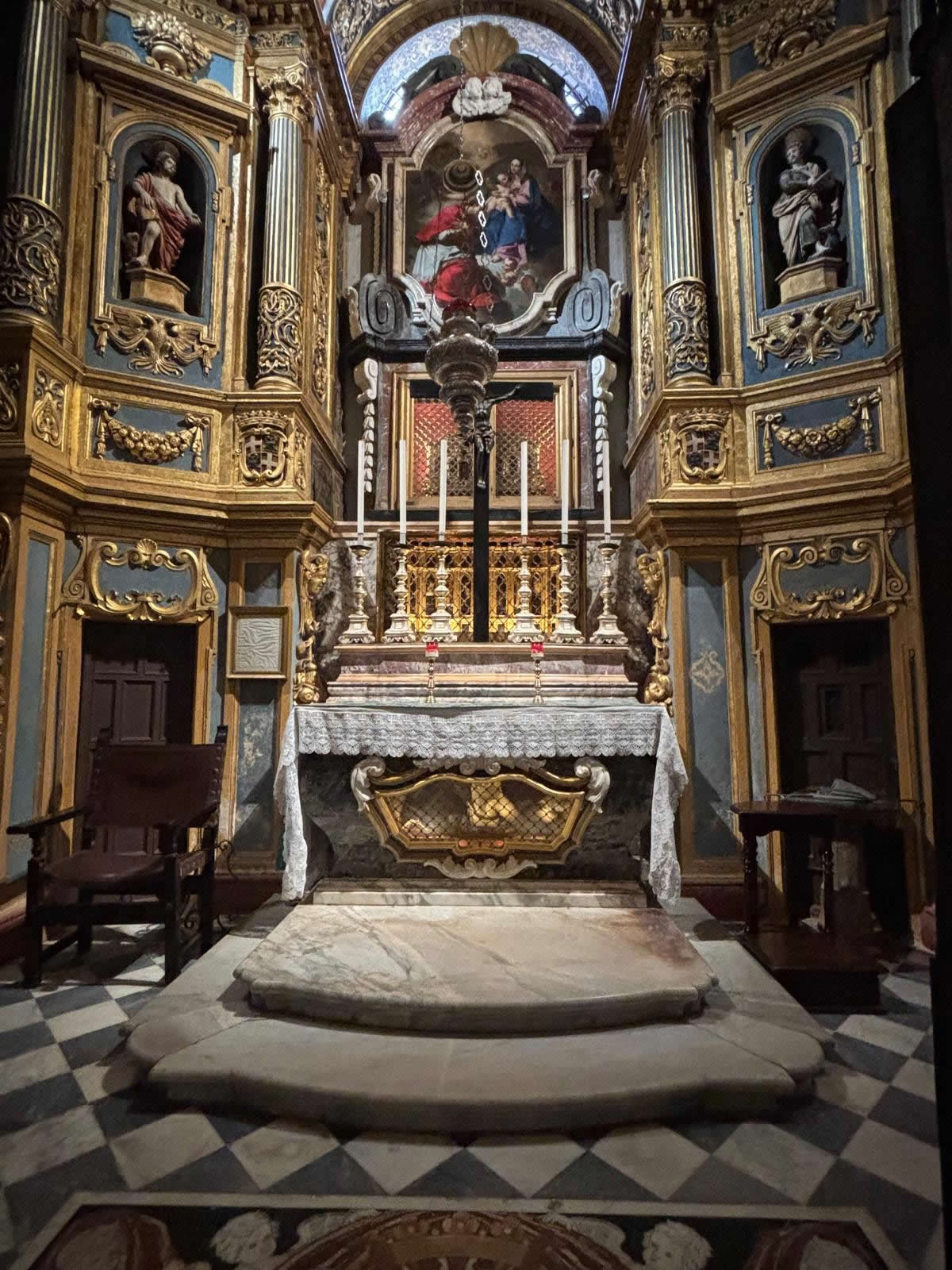
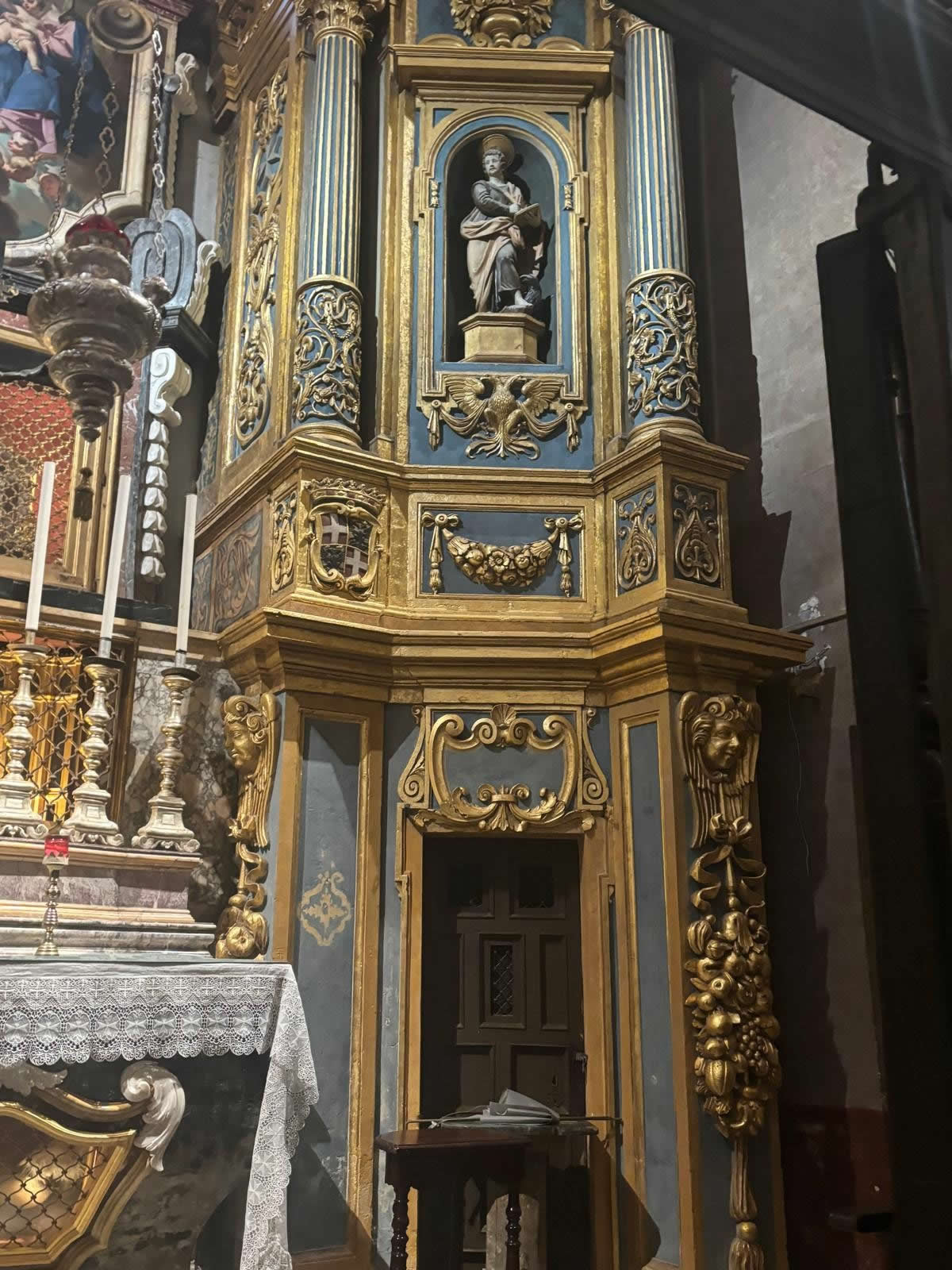
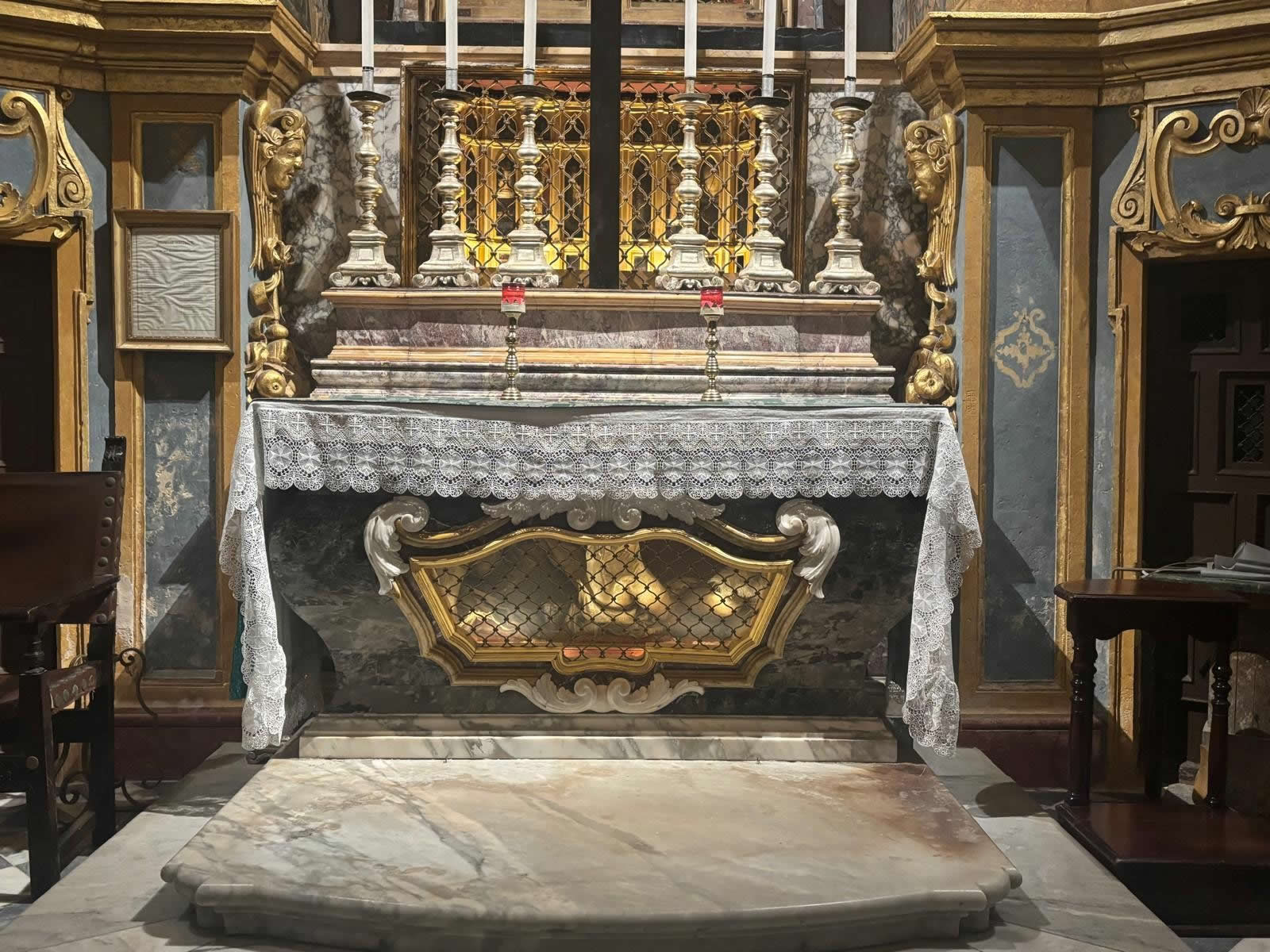
The Anglo-Bavarian chapel is also historically known as the “Chapel of Relics.” It once housed an extensive collection of sacred relics acquired by the Knights of St John over centuries of crusading and religious activity.
These relics represented both spiritual treasures and symbols of legitimacy and prestige. However, during the French occupation of Malta in 1798, many of these relics were removed or lost, marking a significant turning point in the chapel’s history.
The Altarpiece
The main artistic feature of the chapel is its altarpiece, depicting the presentation of Saint Charles Borromeo to the Virgin Mary. The work is attributed to the artist Beaumont and reflects the stylistic qualities of Baroque religious painting.
The composition emphasizes devotion, humility, and divine intercession, themes that resonate with the spiritual ideals of the Counter-Reformation.
Architecture and Baroque Design
Like the rest of St John’s Co-Cathedral, the Anglo-Bavarian chapel underwent significant transformation during the 17th century Baroque redecoration led by Mattia Preti.
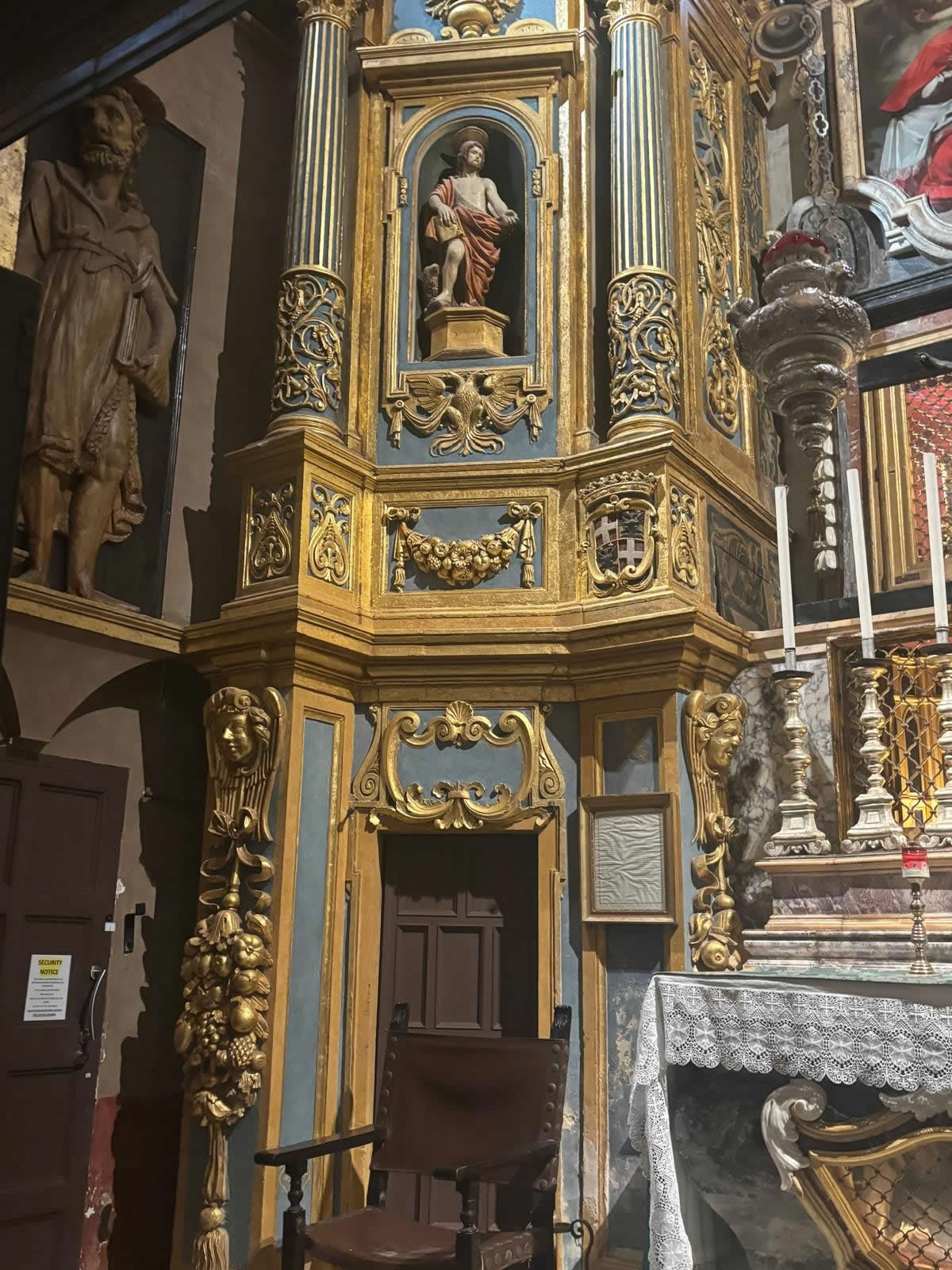
The chapel features richly carved limestone walls, gilded ornamentation, and dramatic spatial composition. The integration of painting, sculpture, and architecture creates a unified artistic experience characteristic of high Baroque design.
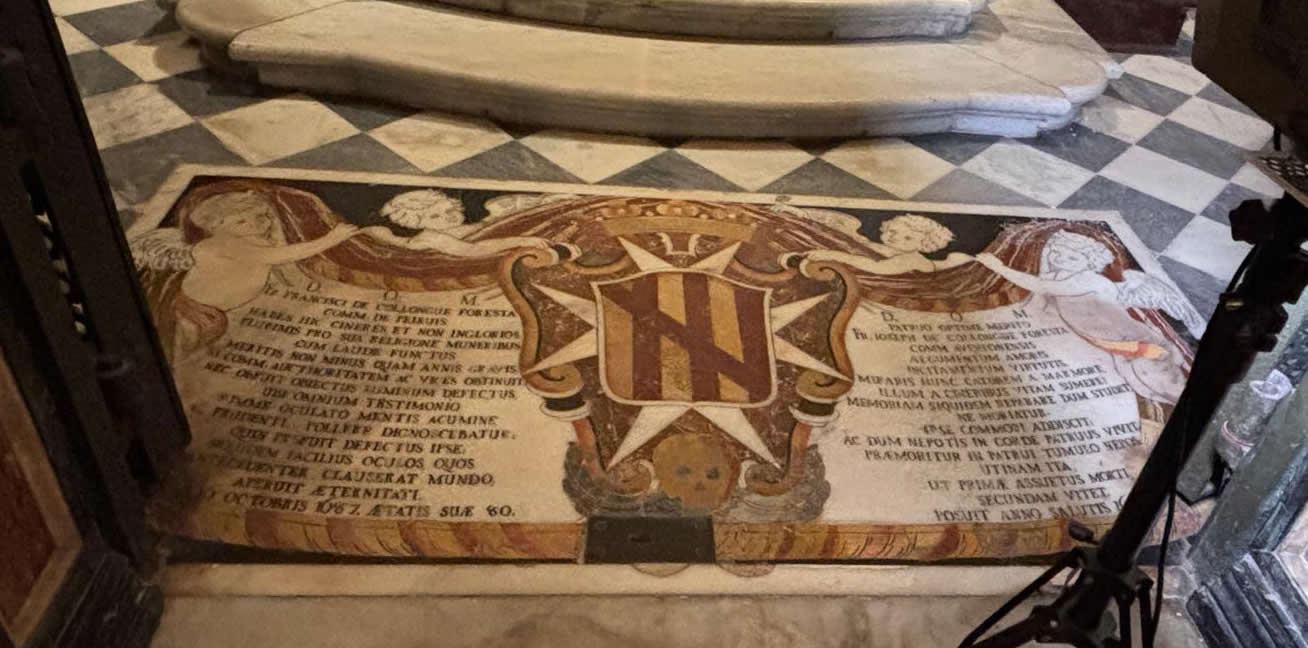
Who is buried in the Anglo-Bavarian chapel
The list of individuals buried here are:Connection with the Chapel of Provence
The Anglo-Bavarian chapel is physically and historically linked with the Chapel of Provence, forming part of a broader architectural and functional space within the cathedral.
This connection reflects both spatial constraints and historical developments, illustrating how the chapels evolved over time to accommodate changing needs within the Order.
Marble Floor and Tombs
As with the rest of the cathedral, the chapel contributes to the remarkable marble floor composed of tomb slabs commemorating knights of the Order. These richly decorated tombs feature coats of arms, inscriptions, and symbolic imagery.
The entire cathedral floor contains around 400 tombs, providing a powerful visual and historical record of the Order’s members.
Restoration and Conservation
The Anglo-Bavarian chapel has undergone extensive restoration as part of broader conservation efforts at St John’s Co-Cathedral. These initiatives began in the early 21st century and aimed to preserve the chapel’s artworks and architectural features.
Restoration work included cleaning surfaces, stabilizing structures, and conserving decorative elements, ensuring that the chapel remains accessible and visually striking for modern visitors.
Symbolism and Interpretation
The chapel’s identity as both a relic repository and a symbol of a merged Langue gives it a unique place within the cathedral. It represents continuity amid change, as well as the resilience of the Order in adapting to religious and political transformations.
The loss of its relics in 1798 adds a layer of historical poignancy, transforming the chapel from a repository of sacred objects into a space of memory and reflection.
Visitor Experience
Today, visitors to St John’s Co-Cathedral encounter the Anglo-Bavarian chapel as part of a broader journey through the artistic and historical legacy of the Knights of St John.
The chapel’s distinctive history, combined with its Baroque decoration and symbolic significance, makes it an essential stop for anyone seeking to understand the complexity of the Order and its cultural heritage.
Conclusion
The Chapel of the Anglo-Bavarian Langue stands as a testament to the evolving identity of the Knights of St John. From its origins as a repository of relics to its role as a symbol of adaptation and unity, the chapel encapsulates centuries of history within its walls.
Through its art, architecture, and historical associations, it continues to offer valuable insights into the religious, cultural, and political dimensions of early modern Malta.
Frequently Asked Questions
Why is the chapel called Anglo-Bavarian?
It reflects the merging of the English and Bavarian Langues after the English Reformation.
What happened to the relics?
Most were removed or lost during the French occupation of Malta in 1798.
Who is Saint Charles Borromeo?
He was a leading figure of the Counter-Reformation and Archbishop of Milan.