Explore the rich history, Baroque artistry, funerary monuments and lasting cultural legacy of the Chapel of the Langue of Provence inside St. John’s Co‑Cathedral, Valletta, Malta.
Historical Overview
St. John’s Co‑Cathedral in Valletta was commissioned between 1572 and 1577 by the Order of the Knights Hospitaller as their conventual church following the Great Siege of 1565, designed by Maltese architect Girolamo Cassar. The interior was later transformed into an opulent Baroque masterpiece in the 17th century by Mattia Preti and other artists.
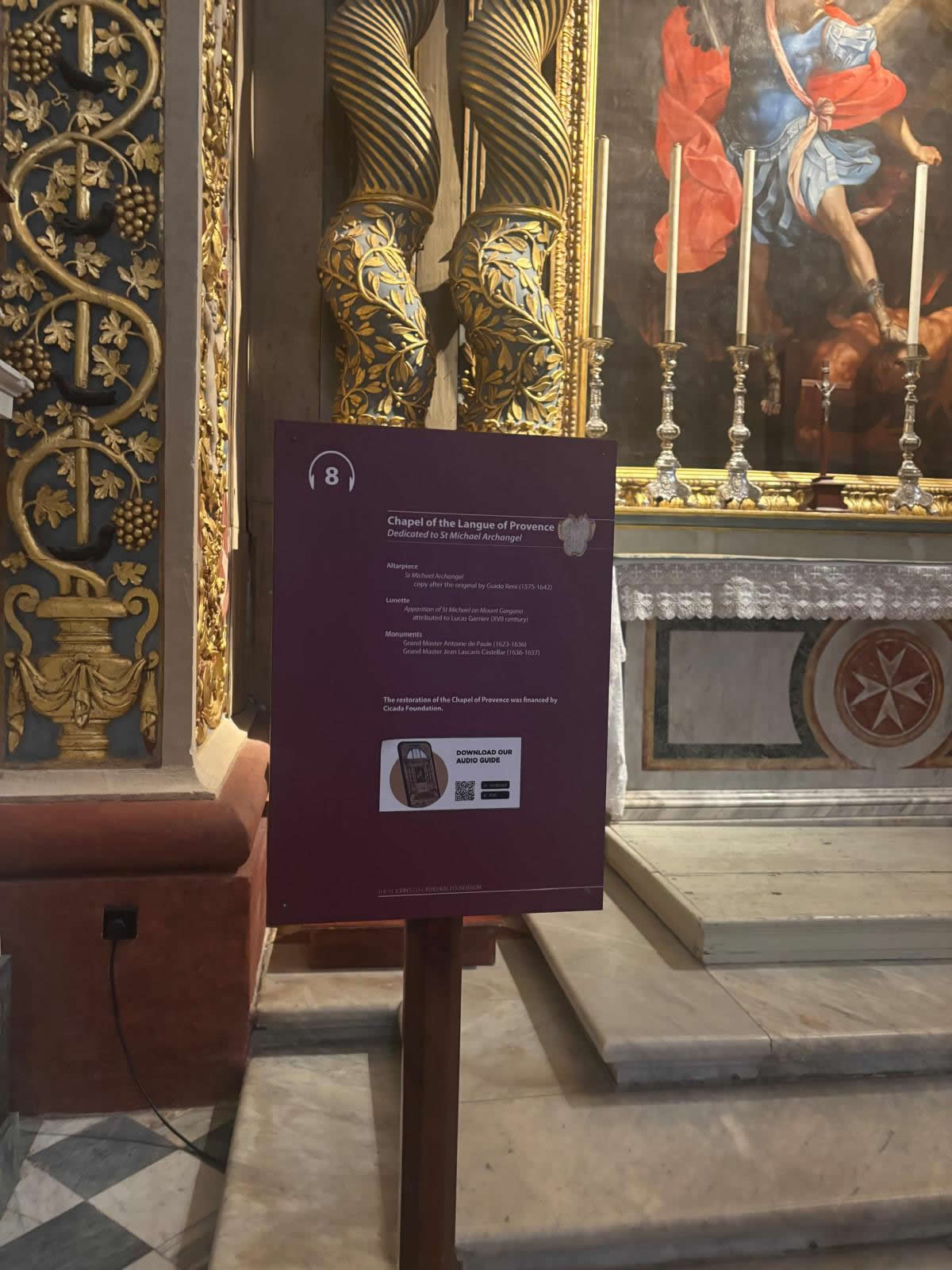
Within the lofty nave are a series of side chapels assigned to the langues — linguistic and national subdivisions of the Order. The Langue of Provence chapel, dedicated to Saint Michael the Archangel, stands on the north side of the cathedral, just after the Chapel of the Langue of Germany.
This chapel reflects both the spiritual devotion and the competitive artistic patronage of the Knights, each langue seeking to outshine the others with elaborate decoration, sculpture and iconography.
Architecture & Artistic Decoration
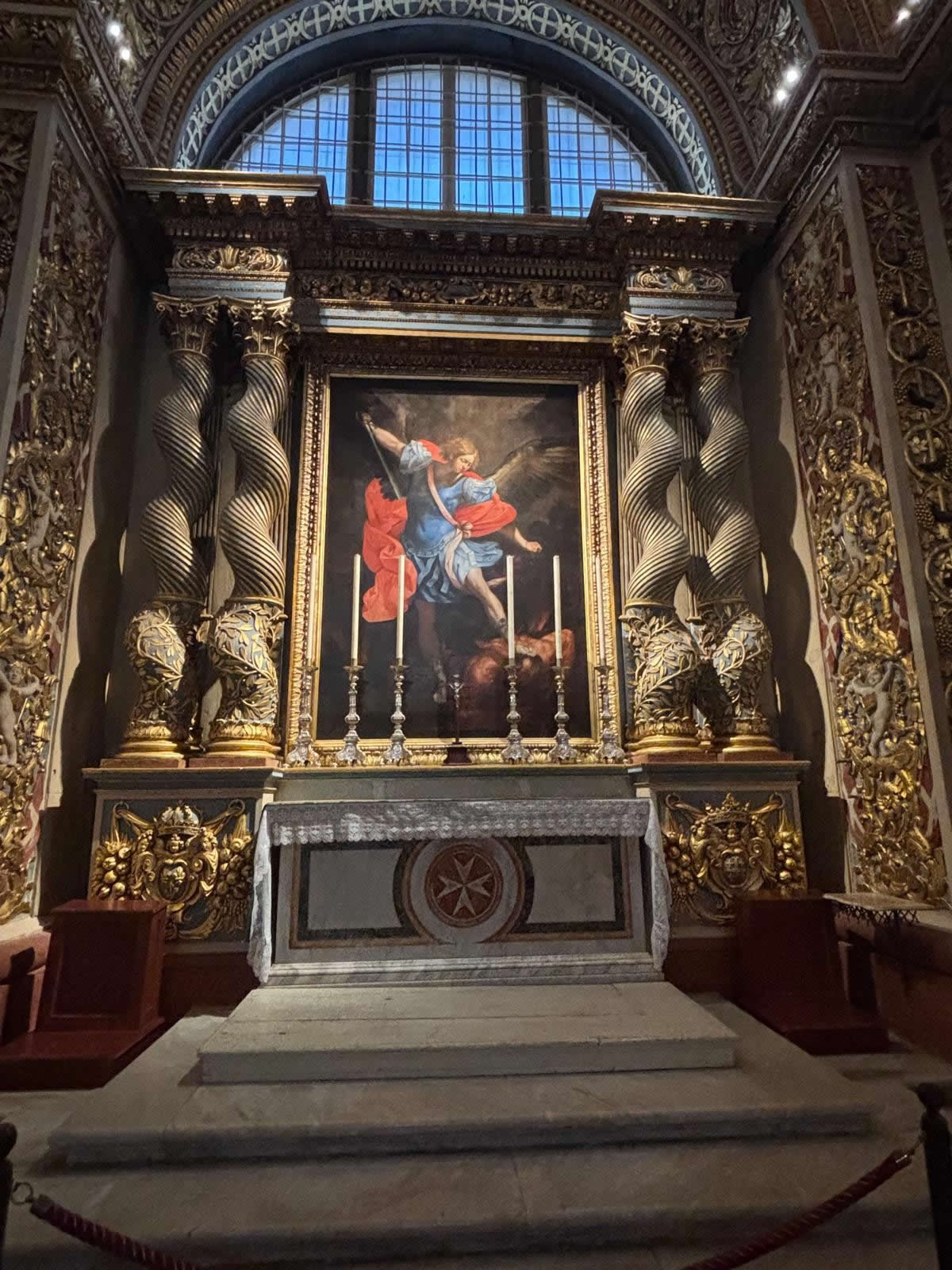
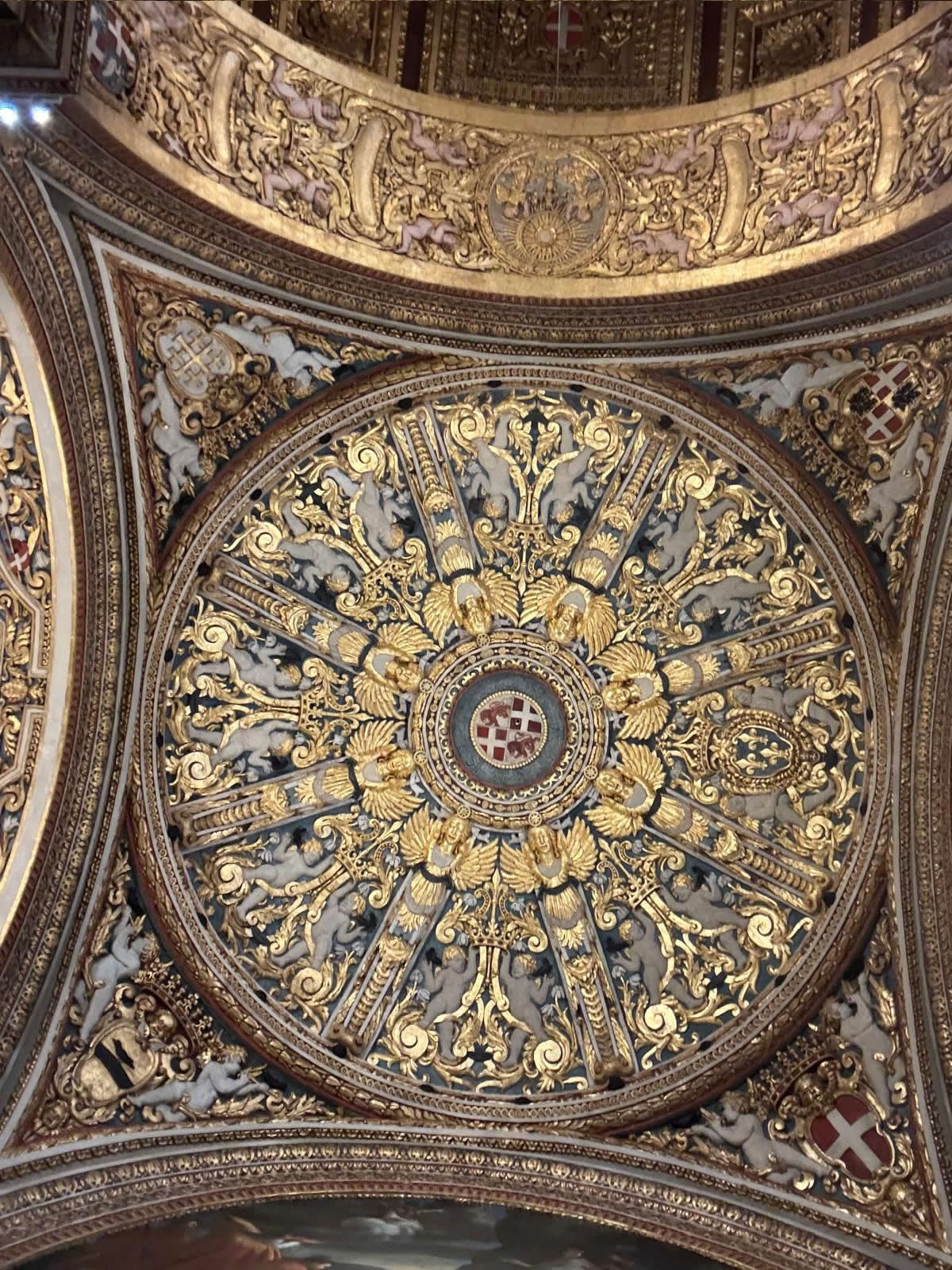
The Chapel of the Langue of Provence is defined by its elegant Baroque interior, blending gilded carvings, symbolic reliefs, and marble elements with a focus on celestial iconography befitting Saint Michael the Archangel.
Baroque chapels like Provence were designed not only for worship but also to visually represent the religious zeal and status of their donors.
The vaulted ceilings and pilasters are carved in limestone and enriched with motifs characteristic of 17th‑century ecclesiastical art, echoing the larger Baroque scheme executed throughout the cathedral.
The chapel’s altar is anchored by a dramatic depiction of Saint Michael, often attributed to the artistic circle of Mattia Preti — capturing the Archangel’s leadership over the heavenly host against evil. This motif resonated strongly with the Knights, who saw themselves as spiritual warriors in a world marked by the ebb and flow of continental conflicts.
Who is Buried in the Chapel of the Langue of Provence
The list of individuals buried here are:
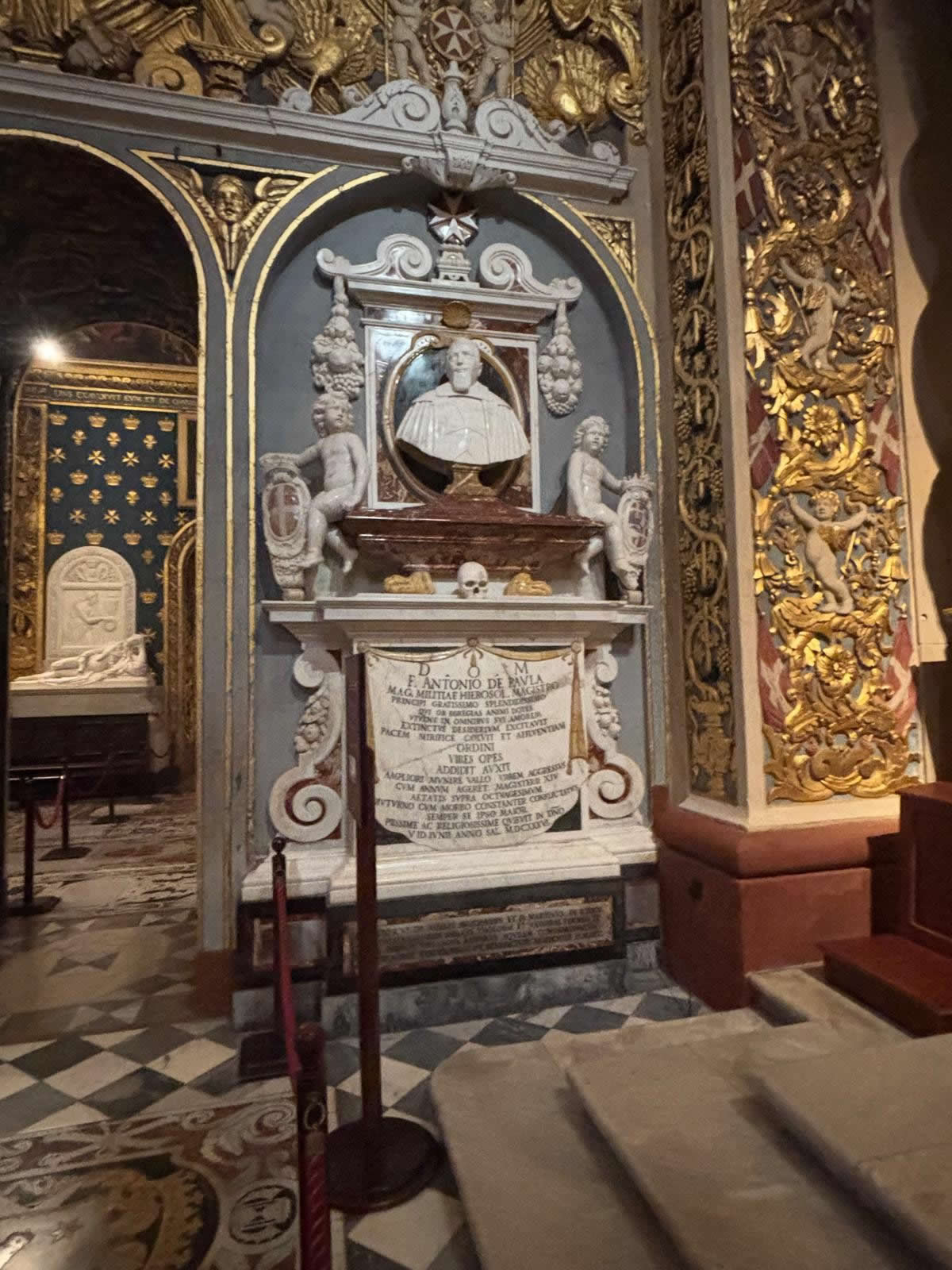
- Grand Master Frà Antoine de Paule
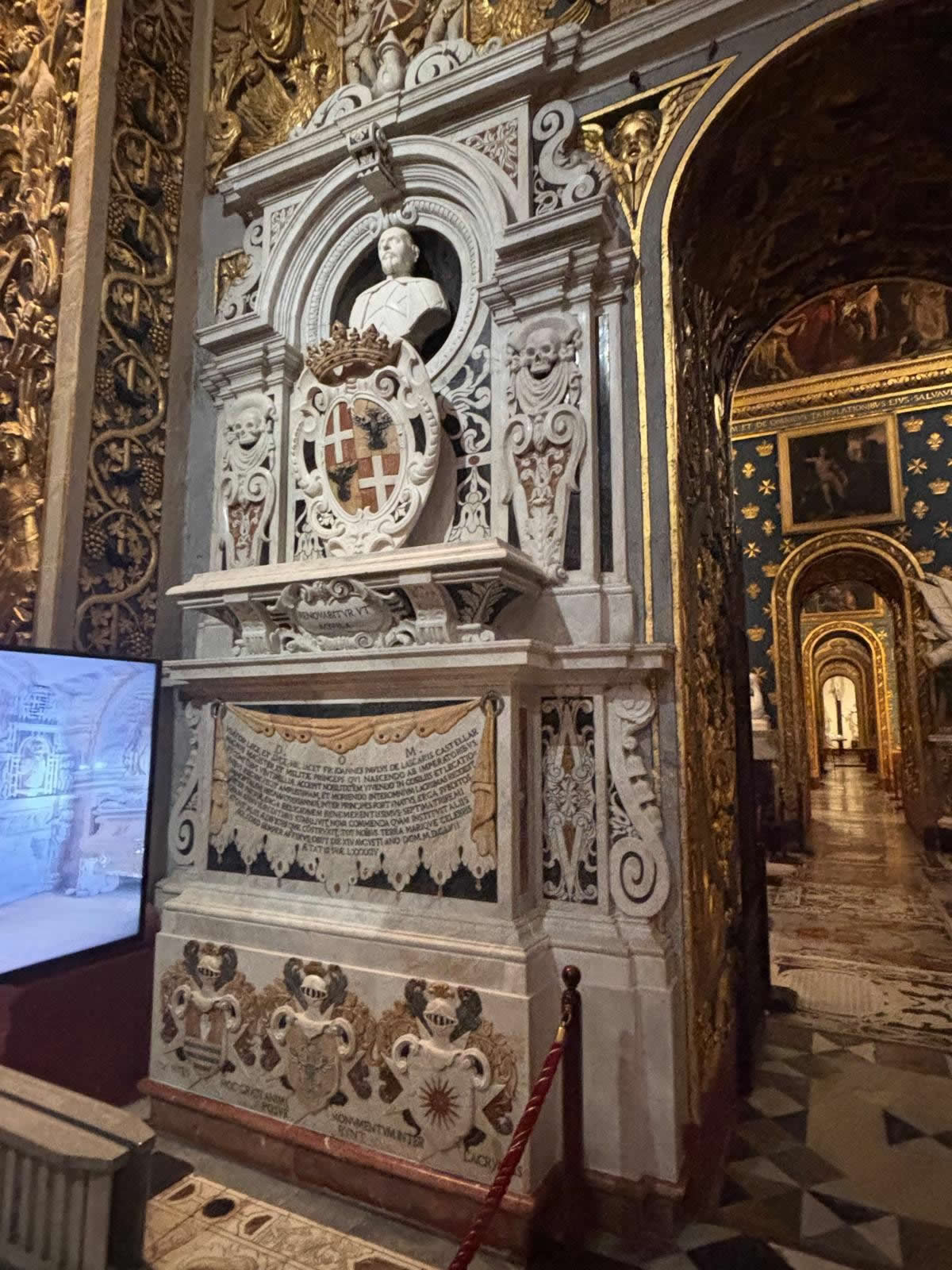
- Grand Master Frà Jean-Paul de Lascaris Castellar
- Frà Antoine de Puget Sainct-Marc
- Frà Jean de Vintimille d’Ollières
- Frà Antoine de Blacas d’Aups
- Frà Antoine de Riqueti Mirabeau
- Frà Christophe de Seitres Caumons
- Frà Horace Blacas d’Aups
- Frà Honoré de Villaneuve Villevielle
- Frà Guillaume de Vincens Savoillan
- Frà Pierre des Merles Beauchamp
- Frà Bertrand de Moreton Chabrillan
- Frà Henri de Latis Entraigues
- Frà Nicolas de Cabre Roquevaire
Funerary Monuments & Commemorations
The Chapel of Provence also serves as a mausoleum for two of the Order’s Grand Masters, both of whom were towering figures during their tenures:
- Grand Master Antoine de Paule (d. 1636) — A celebrated leader whose funerary monument stands within the chapel, commemorating his service and dedication to the Order and its defensive missions across the Mediterranean.
- Grand Master Giovanni Paolo Lascaris (d. 1657) — His marble memorial is another highlight, illustrating the reflective Baroque style and gravitas accorded to senior knights of Provence origin.
These monuments emphasize the prestige of the Provençal knights and form an integral part of the cathedral’s broader network of grand funerary art, where key leaders of the Order are commemorated in chapels dedicated to their langues.
Connection to the Crypt of Grand Masters
A flight of steps adjacent to the Chapel of Provence leads down to the Crypt of Grand Masters, a subterranean repository of sarcophagi and burial sites for early leaders of the Order, including Philippe Villiers de L’Isle‑Adam and Jean Parisot de la Valette himself.
This crypt underscores the layered funerary landscape of St. John’s Co‑Cathedral — above ground in the chapel floor tombs, and below ground in the sealed crypt of Malta’s most significant Knights.
Construction, Restoration & Conservation
The chapel’s original construction would have taken place in conjunction with the cathedral’s broader Baroque embellishment in the 17th century — part of a major programme to transform the interior from its original austere state.
Restoration efforts in the early 21st century — led by the St John’s Co‑Cathedral Foundation and supported by cultural heritage bodies — included careful conservation of the chapels dedicated to France, Provence and Anglo‑Bavaria, reflecting the importance of preserving these historic spaces for future generations.
These works involved cleaning and stabilizing stone carvings, polychrome surfaces, and ensuring the integrity of funerary marble monuments — all integral to maintaining the vibrant artistic heritage of the cathedral.
Visiting the Chapel of Provence
The Chapel of the Langue of Provence is accessible as part of the general admission ticket to St. John’s Co‑Cathedral. Visitors can explore the chapel at their leisure, appreciating its art, monuments, and architectural harmony within the cathedral’s Baroque interior.
Photography is permitted in many areas of the cathedral, though visitors are asked to respect liturgical functions and signage. Audio guides and guided tours often include detailed commentary on each langue’s chapel and its unique features.
Frequently Asked Questions
Who was Saint Michael the Archangel to whom this chapel is dedicated?
Saint Michael is revered as the leader of the heavenly host and a spiritual protector — a fitting patron for a chapel dedicated by knights who saw their mission as defending Christendom.
Can I see the funerary monuments up close?
Yes — the monuments to Grand Masters Antoine de Paule and Giovanni Paolo Lascaris are displayed within the chapel, and visitors can approach them as part of the cathedral’s interior tour.
Is the Chapel of Provence restored?
Yes — the chapel was part of a major conservation project that restored many features of the cathedral’s side chapels in the early 21st century.