Chapel of the Langue of France
The Chapel of the Langue of France in St. John's Co-Cathedral, Valletta, Malta, showcases Baroque artistry at its finest. Richly adorned with gilded carvings, intricate marble, and masterpieces by Mattia Preti, it reflects the elegance and devotion of the French knights of the Order of St. John.
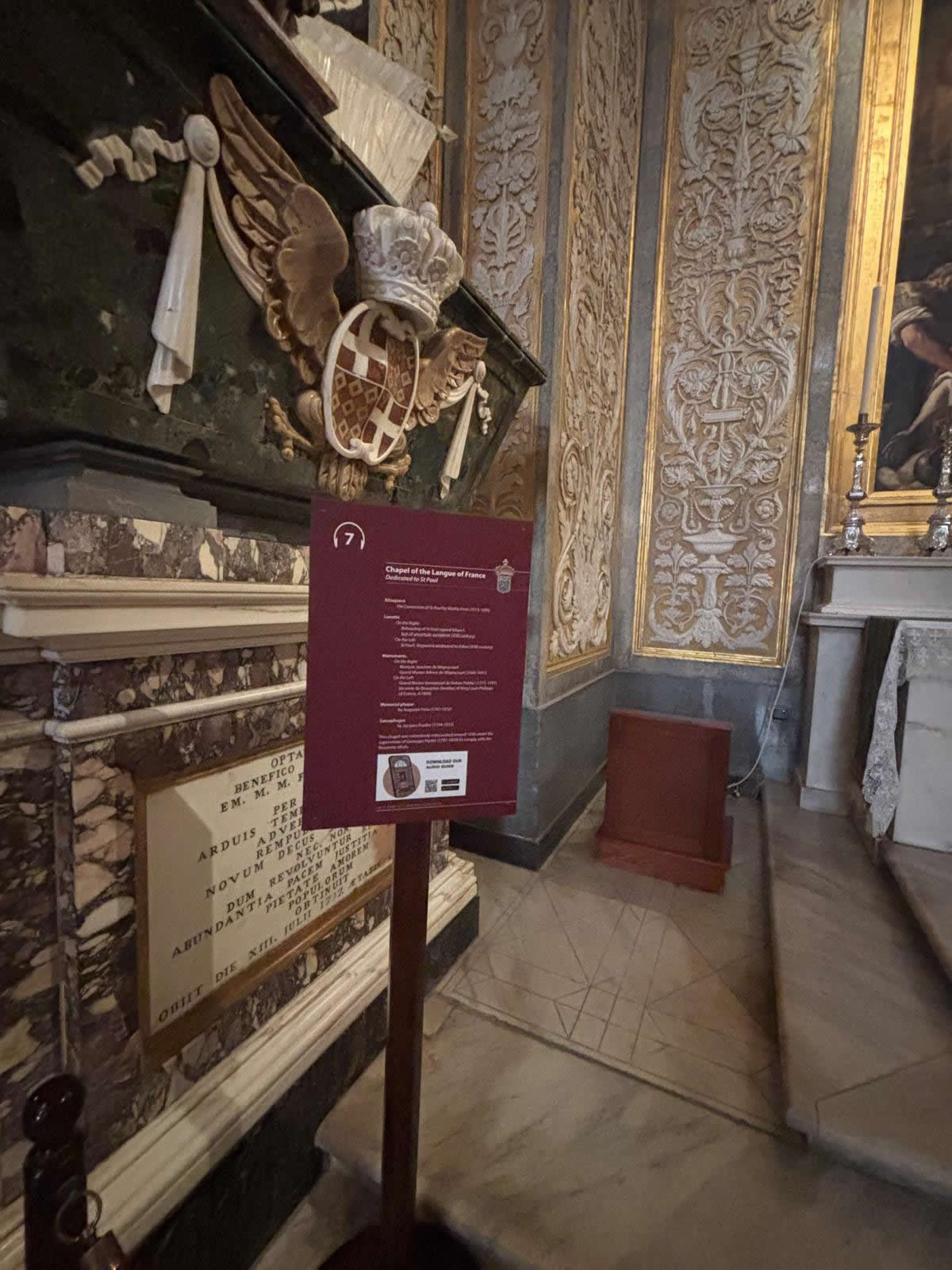
The Chapel of the Langue of France is one of the most exquisite chapels within St. John's Co-Cathedral in Valletta, Malta. Built by the French knights of the Order of St. John, it reflects both religious devotion and the artistic grandeur of the Baroque period. The chapel was commissioned in the 16th century as part of the Co-Cathedral’s division into “langues,” or national divisions of the Knights of St. John. Each langue maintained its own chapel, serving as a place of worship and a display of the knights’ wealth and influence. The French knights, representing the Langue of France, adorned their chapel with luxurious materials and intricate artistry. The Chapel of the Langue of France is a testament to the cultural and spiritual influence of the French knights in Malta. It remains a centerpiece of St. John’s Co-Cathedral, admired for its artistic brilliance and historical importance, attracting visitors from around the world.Chapel of the Langue of France
Historical Background
Architectural Highlights
Significance
Architectural Significance & Renovation
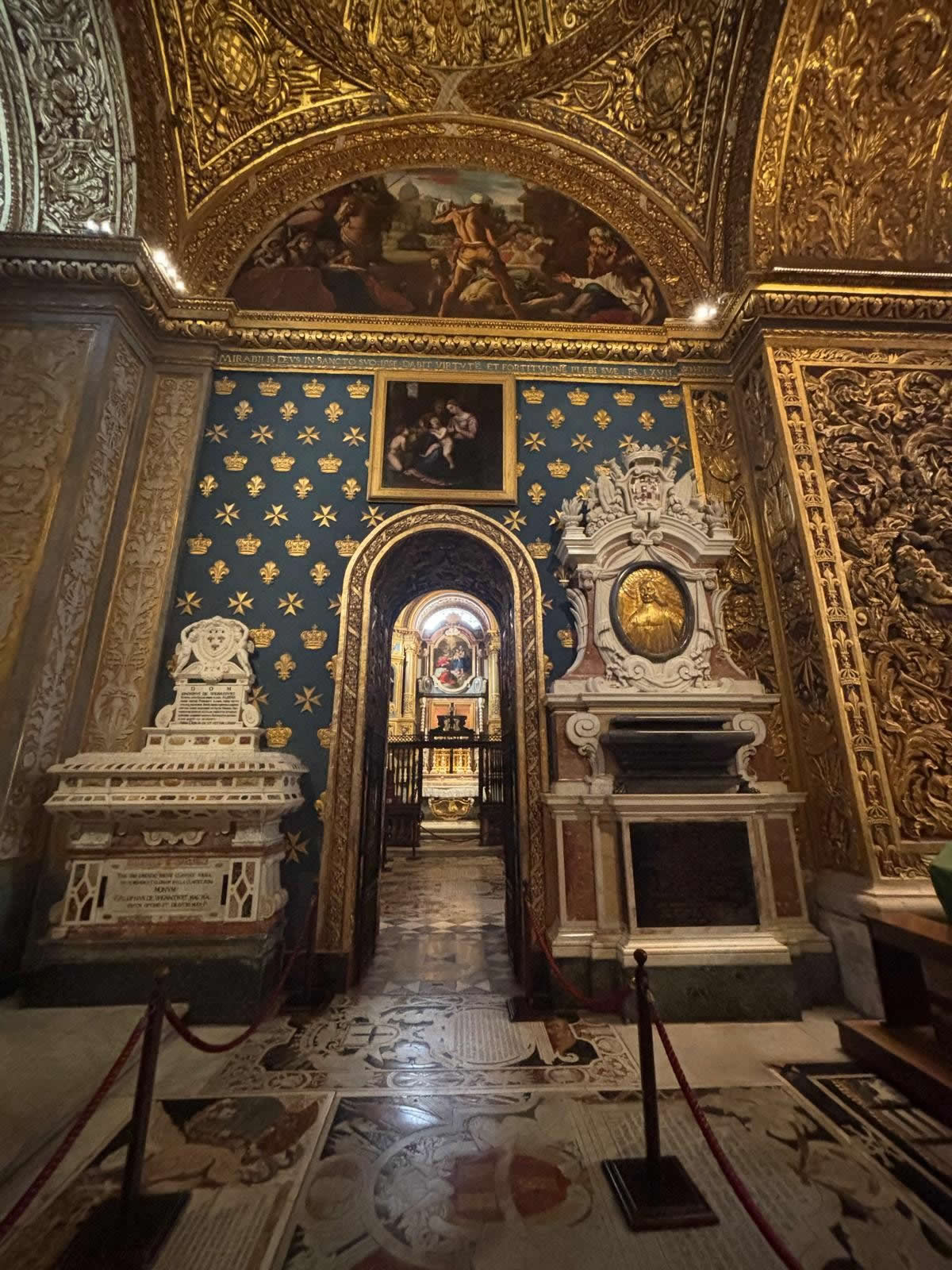
This chapel ranks among the most richly carved and decorative in the Co-Cathedral.
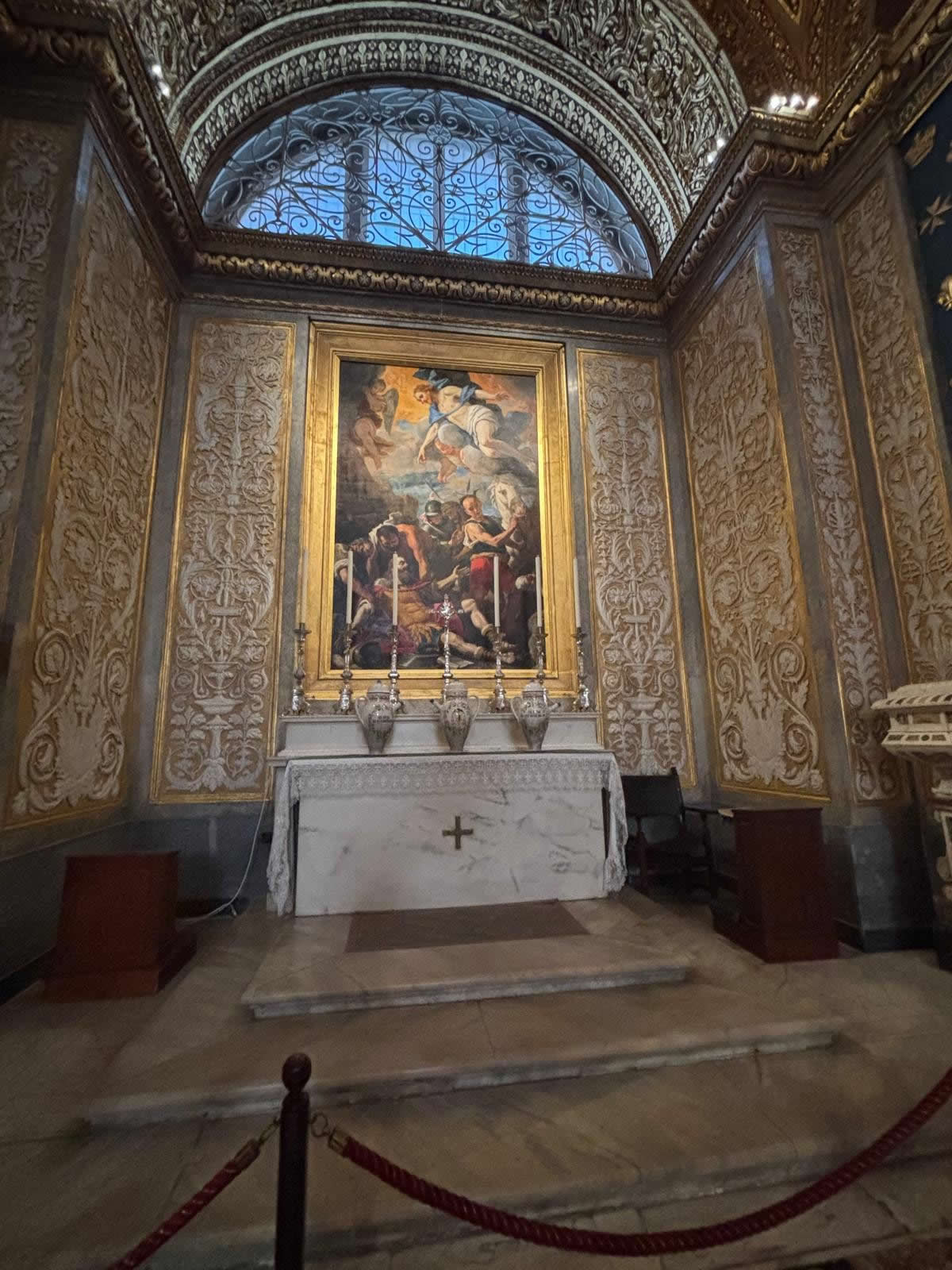
In the 1830s, a wave of Neo-Nazarene reform led by George Hyzler simplified its design: the original Baroque altar was replaced with plain white marble, and floral motifs, including the fleur-de-lys, were used to replace earlier decorations.
Later conservation efforts restored some of its former richness and cleaned surface wear and damage.
The Chapel of the Langue of France in St. John's Co-Cathedral, Valletta, Malta, houses several remarkable funerary monuments honoring French knights and grandmasters of the Order of St. John. These memorials reflect the prestige, devotion, and artistry of the Baroque period. Beyond these major monuments, the chapel contains additional marble floor tombstones and memorials, commemorating other French knights and officers. The blend of sculpture, gilding, and Baroque decoration makes the chapel a testament to the Order's French heritage and devotion.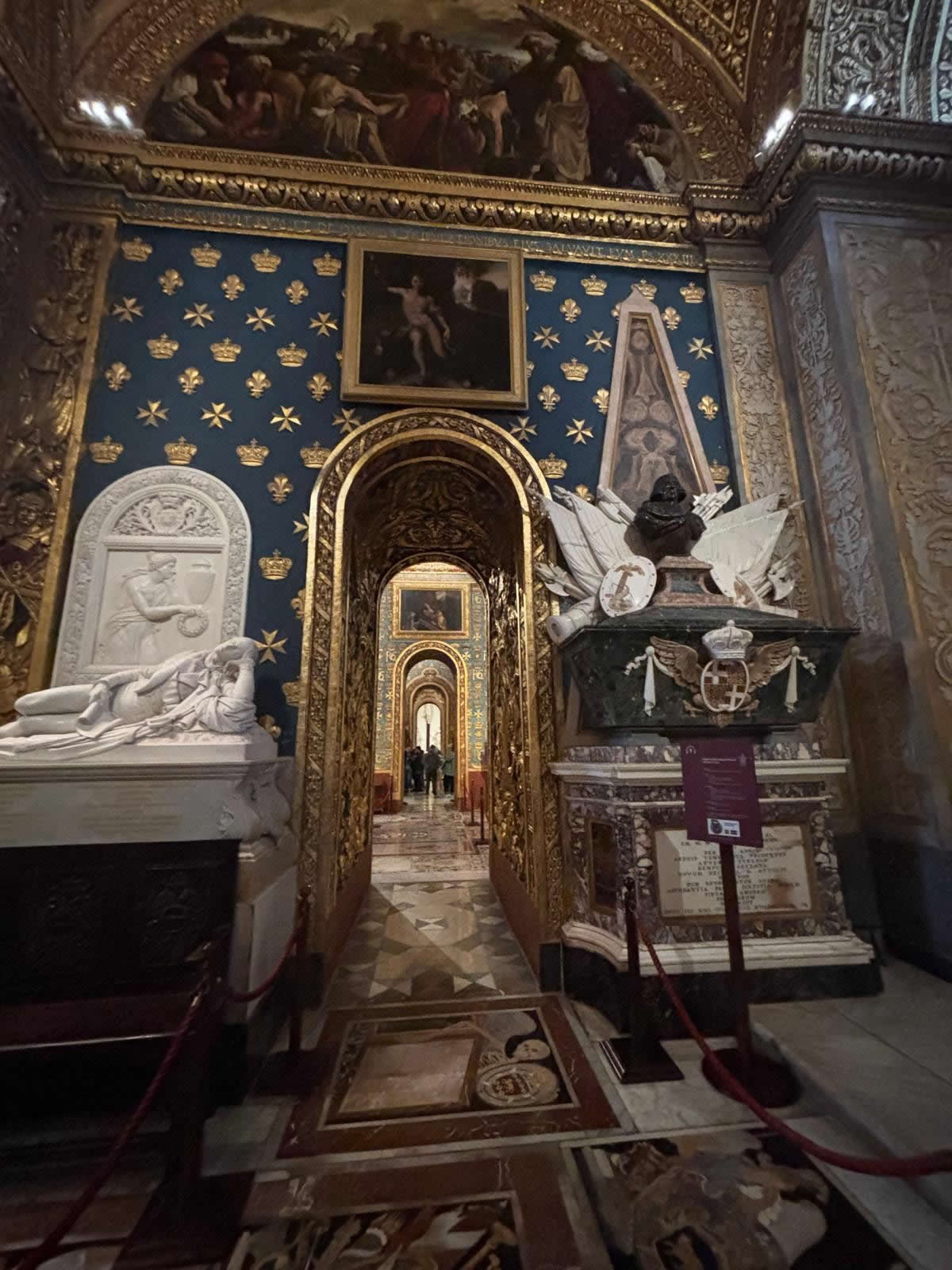
Funerary Monuments & Commemorations
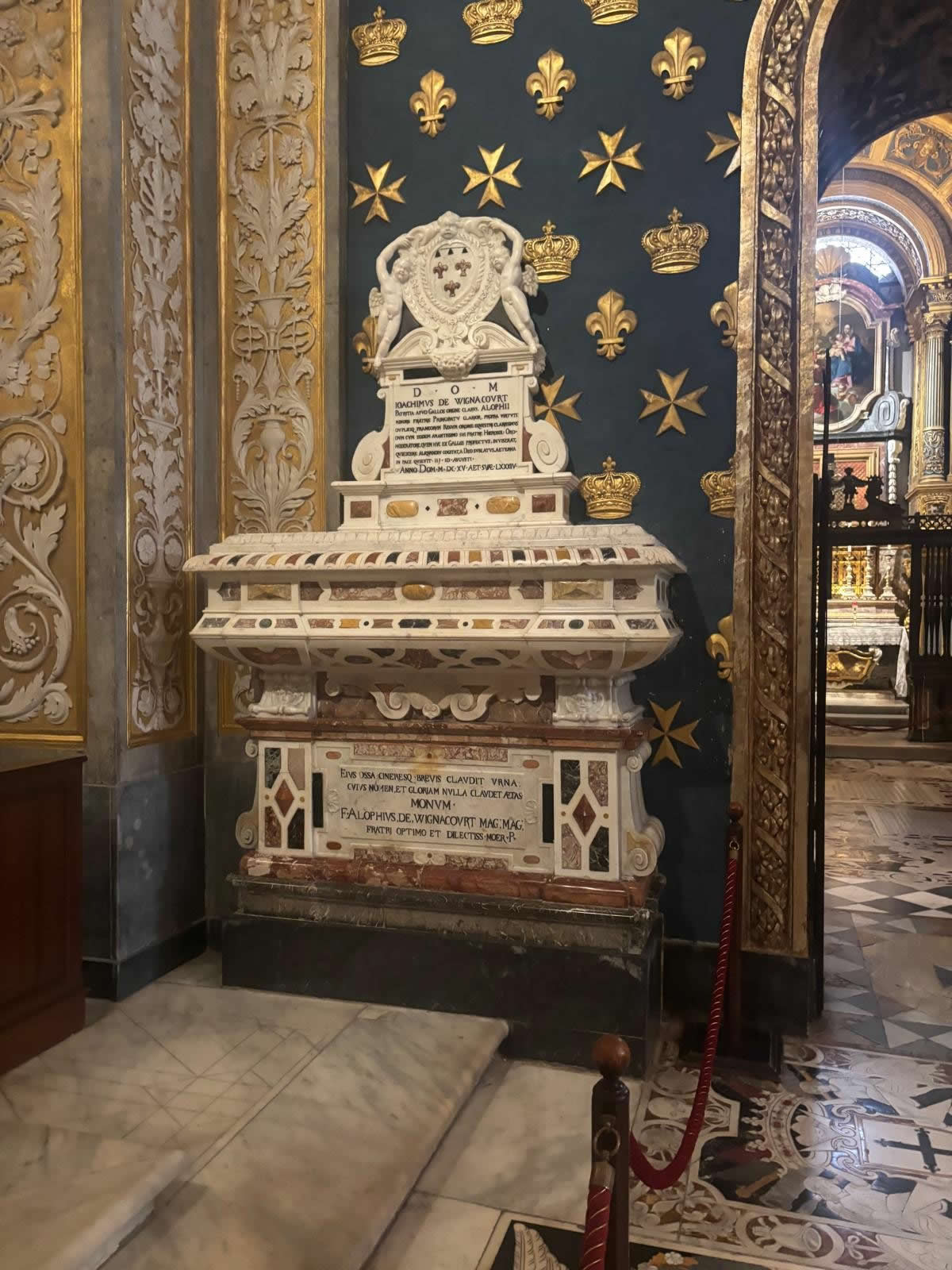
Who is Buried in the Chapel of the Langue of France
The list of individuals buried here are:
- Grand Master Frà Emanuel de Rohan
- Count of Beaujolais Louis-Charles d’Orléans
- Frà François Giache de Calan
- Frà Jacques Armand de Vachon Belmont
- Victor Nicolas De Vachon Belmont
- Frà Nicolas de Chevestre de Cintray
- Frà Henri d’Estampes Vallancay
- Frà Claude de Saint Simon
- Frà François de Vion Thesancourt
- Frà Balduin Brulart de Genlis
- Frà Henri de Chastelet Moyencourt
- Frà Jean de Fresnoy
- Frà René le Vexel du Tertre
- Marquis Joachin de Wignacourt
- Grand Master Frà Adrien de Wignacourt
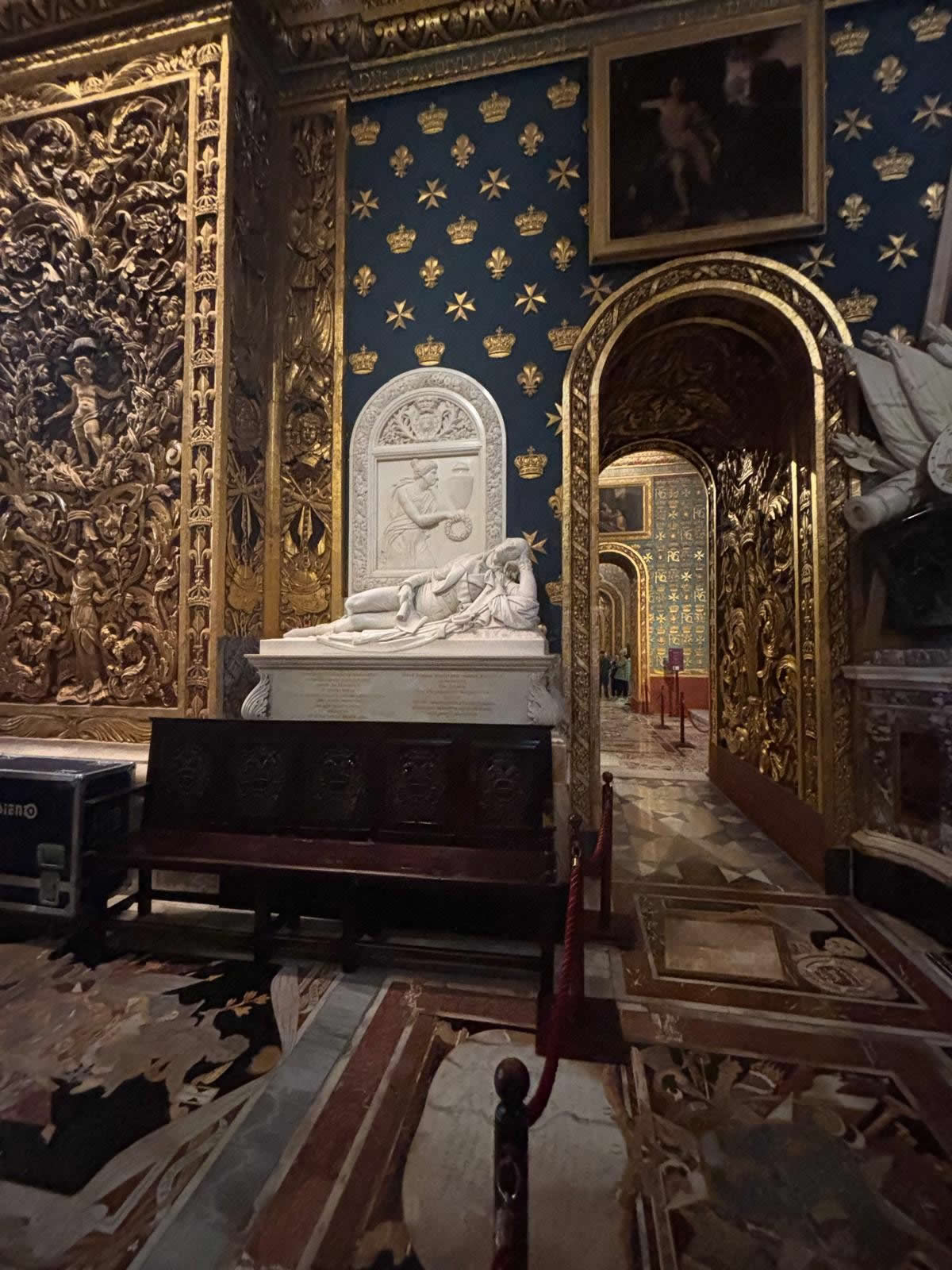
Broader Context
Each “Langue” (administrative division of the Knights) had its own chapel in the cathedral. The Chapel of France is among those nearest the main altar, along with those of Italy and Aragon, reflecting their high status within the Order.
These chapels created a kind of “showcase” of artistic excellence and personal prestige, each showcasing architecture, painting, and sculpture in complementary harmony.
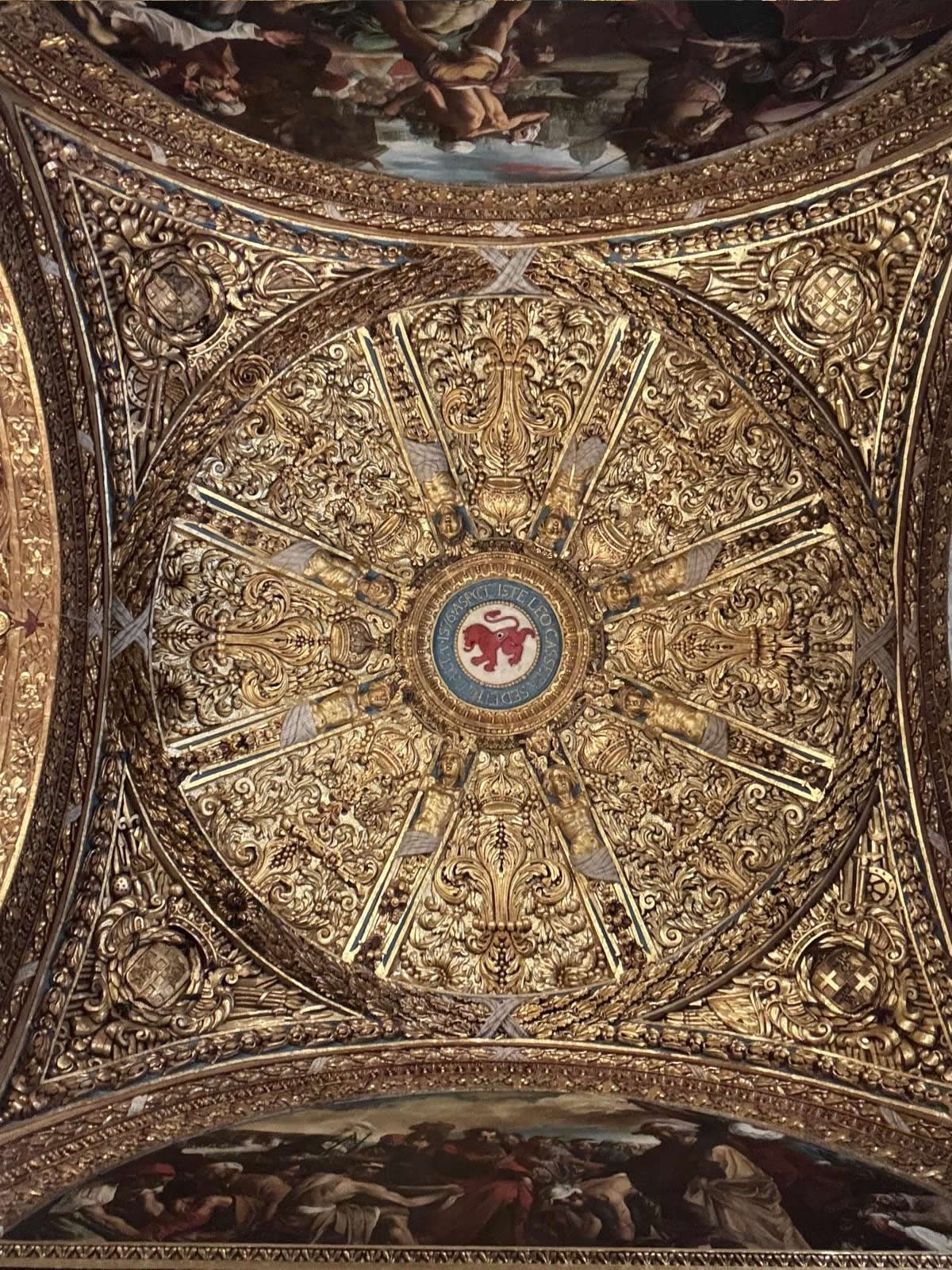
Summary Table
| Feature | Description |
| Dedication | Conversion of Saint Paul |
| Altarpiece | The Conversion of St. Paul on the Way to Damascus by Mattia Preti (1661) |
| Lunettes | Scenes of shipwreck and martyrdom, likely Preti |
| Renovation | Simplified in 1830s (“plain” aesthetic); later restoration reversed some changes |
| Monuments | Andrien de Wignacourt, Emmanuel de Rohan-Polduc, Marquis de Wignacourt, Count of Beaujolais |
| Significance | One of the most ornate chapels; reflects national identity and prestige of the French Knight |
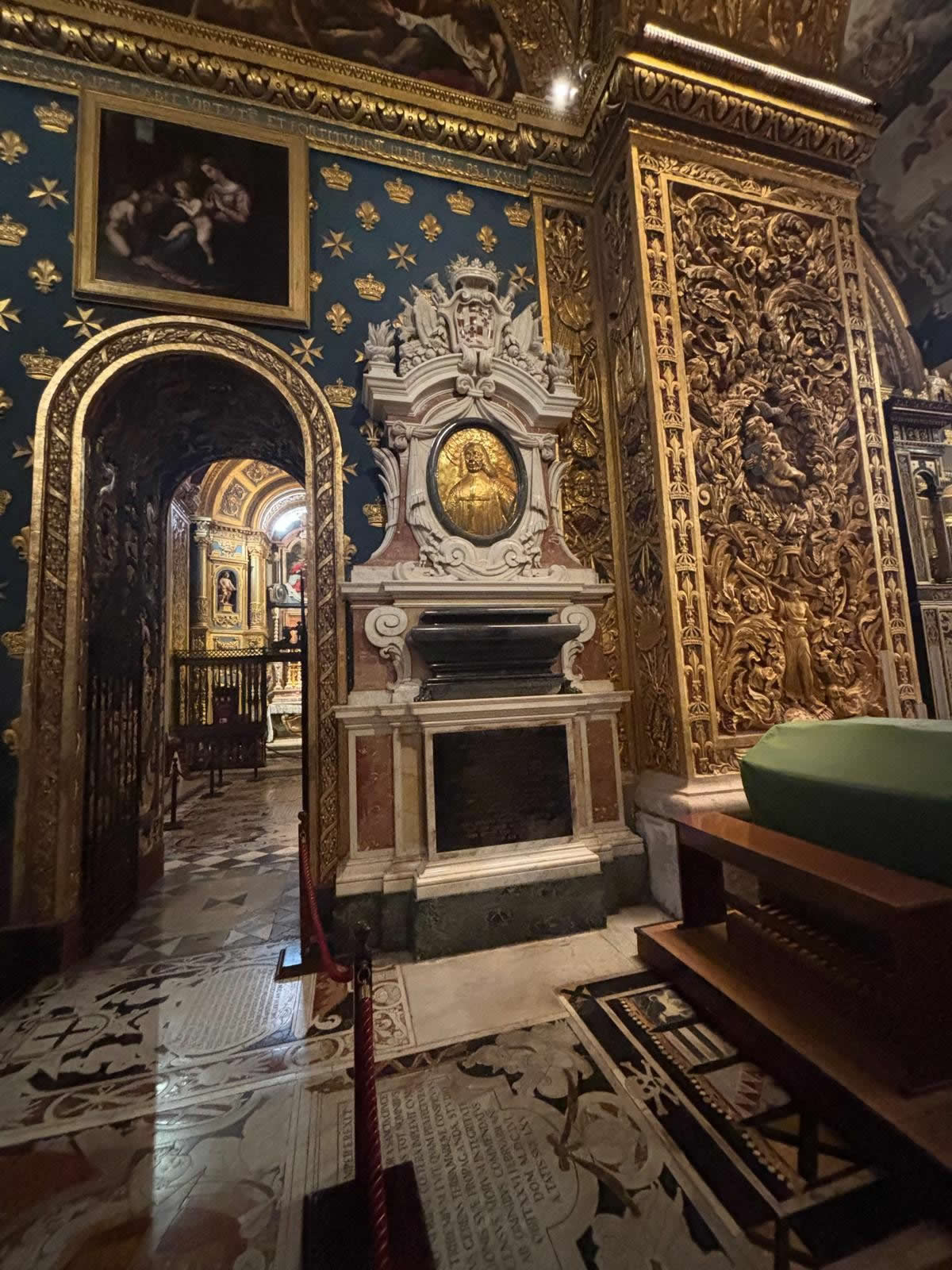
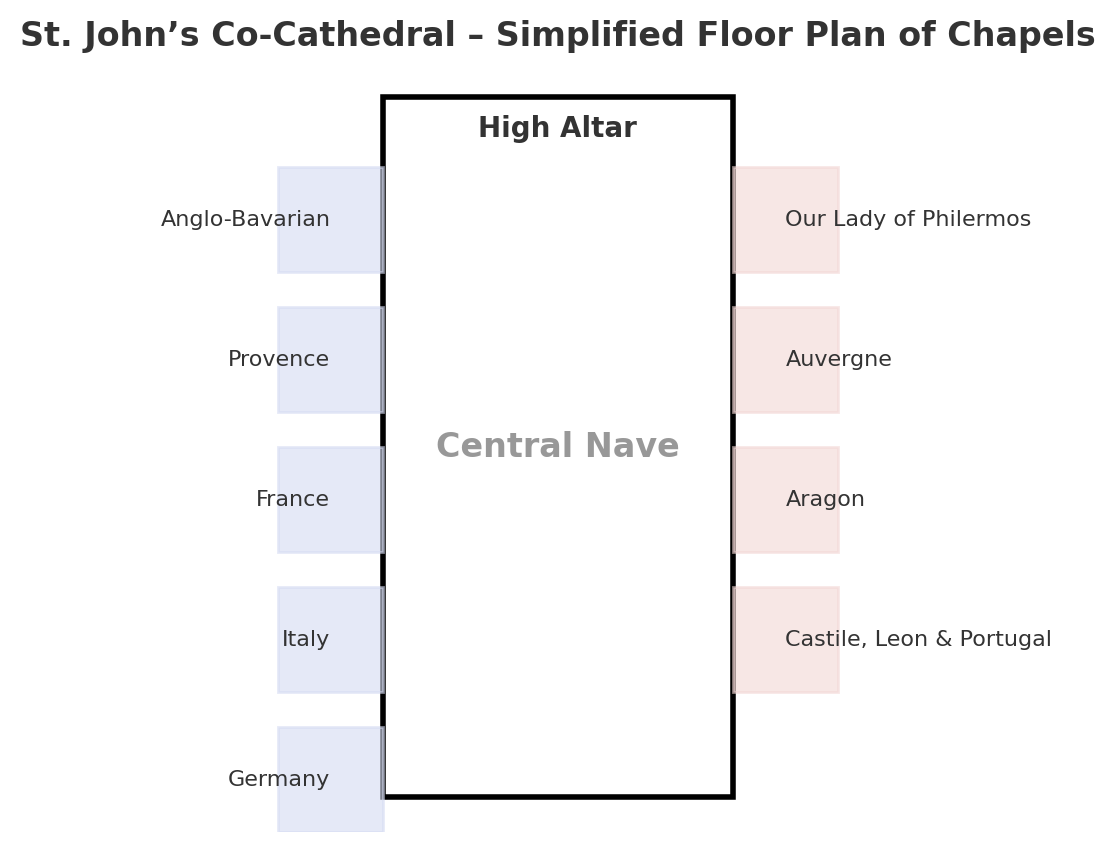
Here’s a simple floor plan of St John’s Co-Cathedral chapels, showing their relative positions along the nave.
The Chapel of the Langue of France is on the north (left) side, third from the altar.
Frequently Asked Questions – Chapel of the Langue of France
What is the Chapel of the Langue of France?
The Chapel of the Langue of France is one of the side chapels in St John’s Co-Cathedral in Valletta, dedicated to the French knights of the Order of St John.
Where is the French Chapel located?
It is located inside St John’s Co-Cathedral in Valletta, Malta, along the right-hand side when entering the nave.
Who are the Wignacourts buried in the chapel?
The chapel contains monuments to members of the Wignacourt family, including Grand Master Adrien de Wignacourt and memorials related to Alof de Wignacourt.
What makes the chapel unique?
The chapel is known for its French heraldic symbols, including fleur-de-lis decorations, Baroque design, and important funerary monuments.
When was the chapel built?
The chapel dates to the late 16th and 17th centuries, developed during the rule of the Knights of St John in Malta.