Grand Masters’ Crypt – St John’s Co-Cathedral, Valletta, Malta

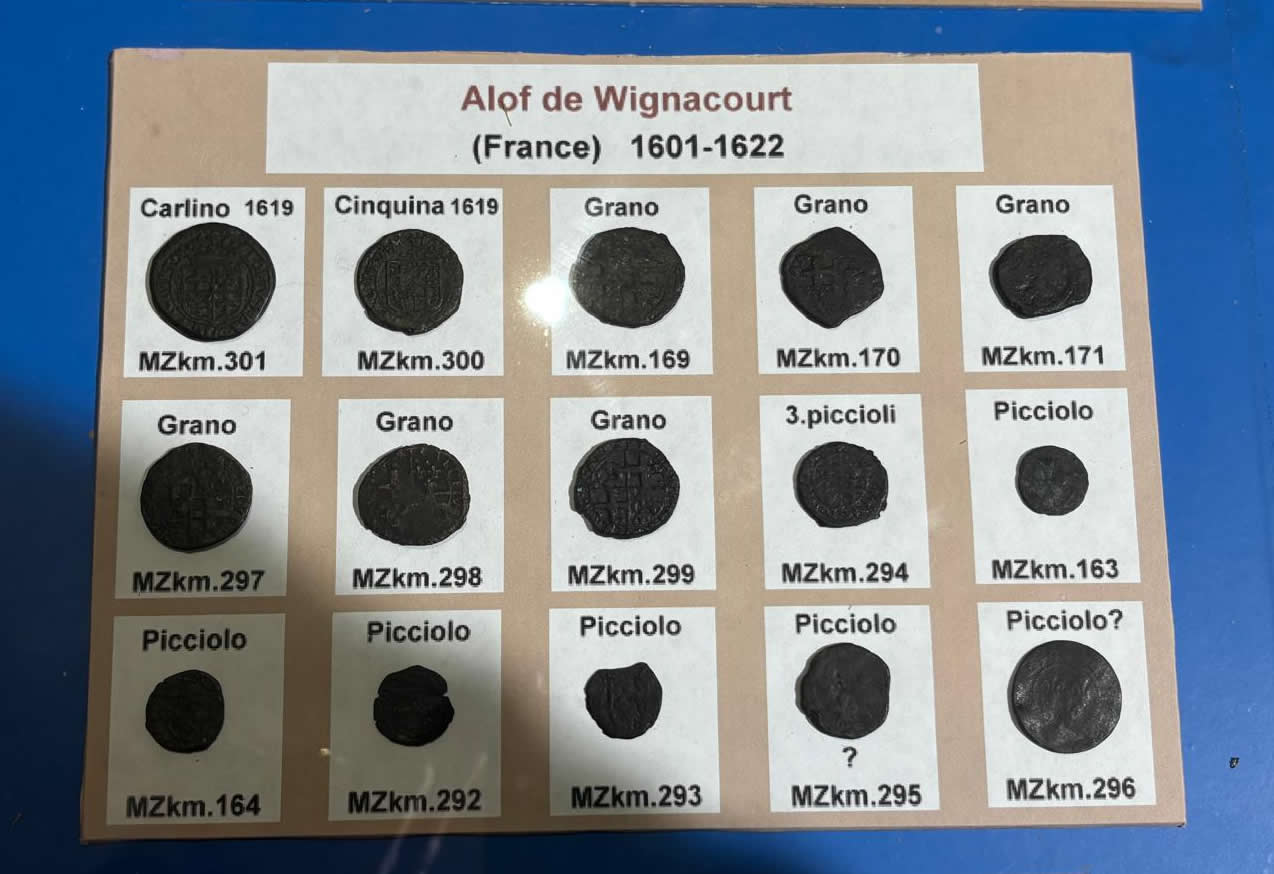
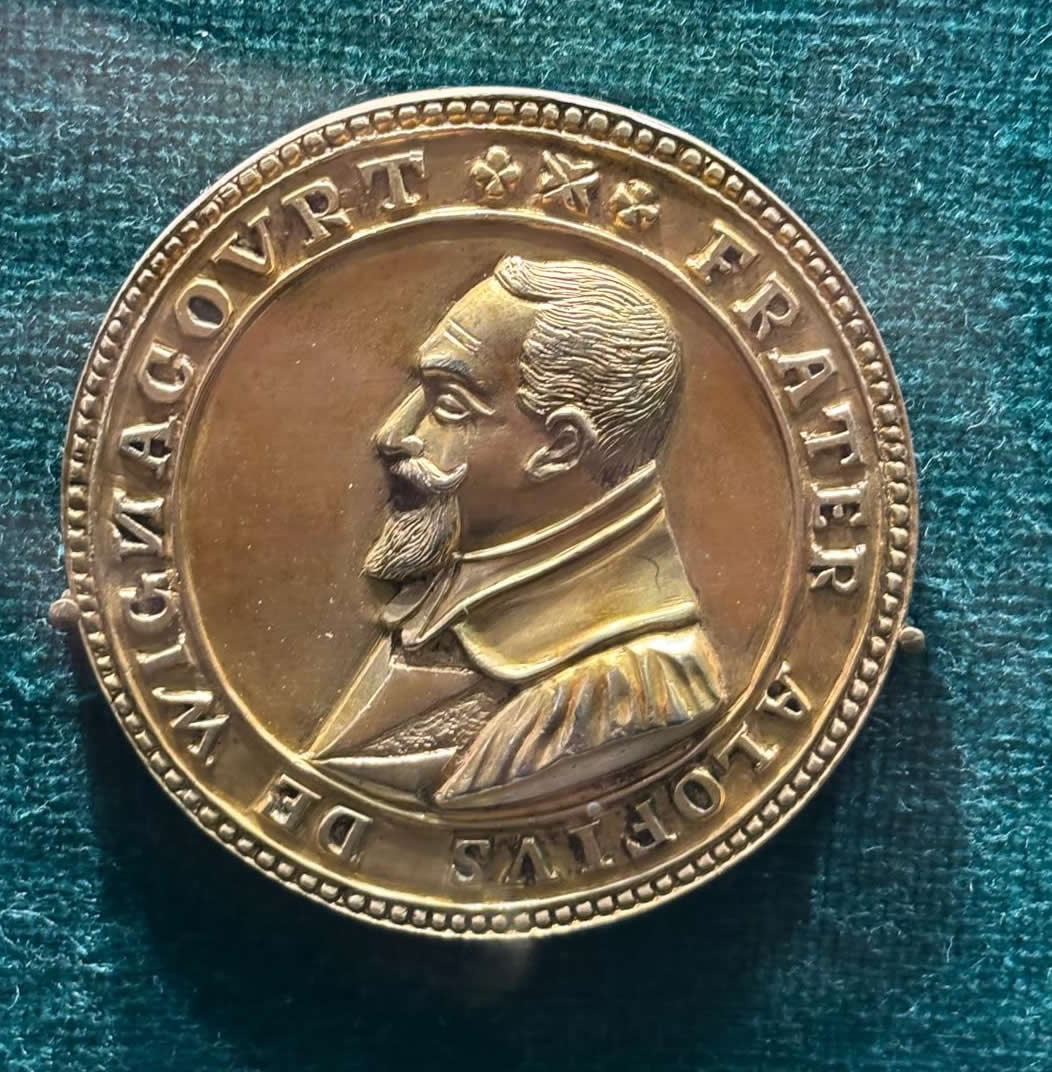
Grand Master Frà Alof de Wignacourt was one of the most influential and transformative leaders of the Order of St John in Malta. Serving as Grand Master from 1601 to 1622, his long and dynamic rule shaped the island’s military infrastructure, water supply, and cultural identity. Today, he is buried in the Grand Masters’ Crypt beneath St John’s Co-Cathedral in Valletta, among the earliest and most significant leaders of the Order.
Early Life and Noble Background
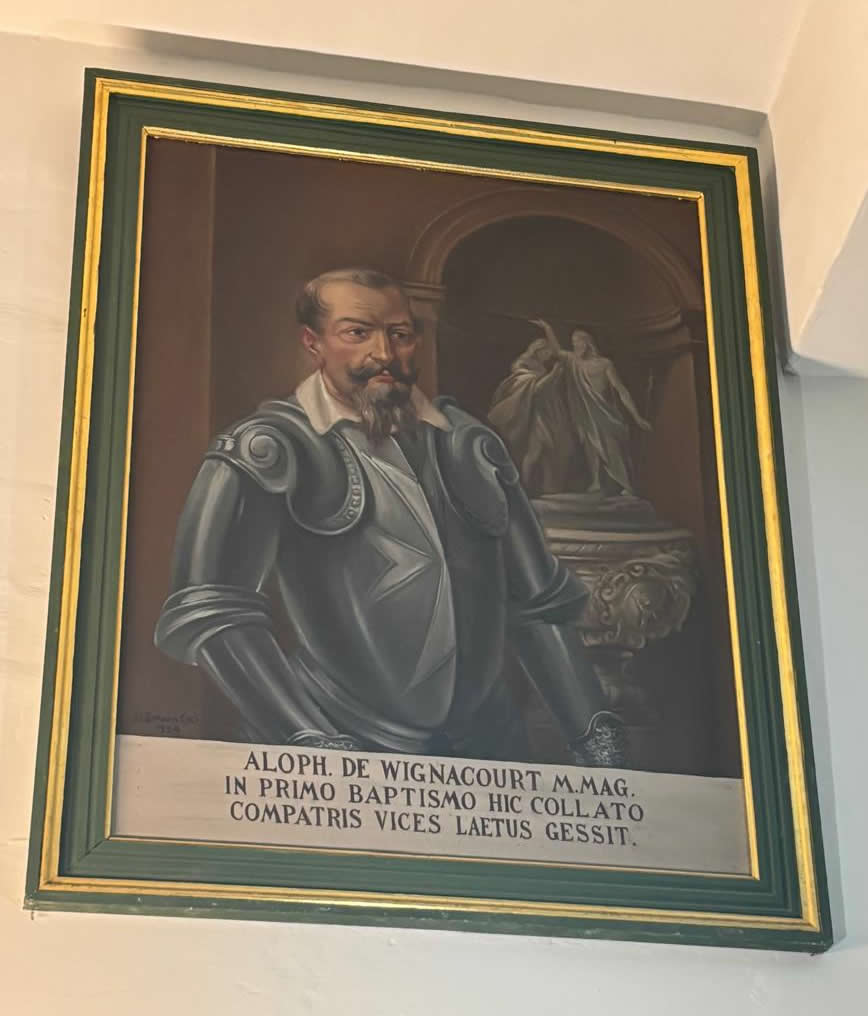
Alof de Wignacourt was born in 1547 in Picardy, France, into a noble family with a strong military tradition. He joined the Order of St John at a young age, entering the Langue of France, where he began a distinguished career in service to the Knights Hospitaller.
His early years were marked by discipline, military training, and administrative responsibility. He gained valuable experience through naval campaigns and defensive operations in the Mediterranean, preparing him for leadership within the Order.
Rise within the Order
Wignacourt rose steadily through the ranks of the Order, earning a reputation as a capable and determined leader. His commitment to the Order’s mission — defending Christendom and maintaining control of key Mediterranean routes — made him a respected figure among the Knights.
By the late 16th century, he had established himself as one of the leading candidates for the position of Grand Master.

in the Chapel of the Langue of France
Election as Grand Master (1601)
Frà Alof de Wignacourt was elected Grand Master on 10 February 1601. His election came at a time when Malta remained vulnerable to Ottoman attacks and corsair raids, despite the victory of the Great Siege of 1565.
His leadership marked the beginning of a period of consolidation, development, and strengthening of Malta’s defences.

Fortifications and Military Achievements
One of Wignacourt’s greatest contributions was the strengthening of Malta’s coastal defences. Recognising the continued threat posed by Ottoman and North African forces, he initiated the construction of a series of defensive structures designed to protect the island.
Among the most notable are the Wignacourt Towers, a network of coastal watchtowers built to provide early warning of enemy attacks. These towers remain some of the most recognisable historical landmarks in Malta today.
He also improved fortifications around Valletta and the Grand Harbour, ensuring that Malta remained one of the most heavily defended strongholds in the Mediterranean.
The Wignacourt Aqueduct
Perhaps Wignacourt’s most famous legacy is the construction of the Wignacourt Aqueduct, completed in 1615. This ambitious engineering project was designed to bring fresh water from inland springs to Valletta and the surrounding areas.
Before the aqueduct, the city faced significant water shortages, relying on rainwater collection. The aqueduct transformed daily life in Valletta, supporting population growth, improving sanitation, and enhancing the city’s resilience.
The aqueduct remains one of the most important infrastructural achievements of the Knights of Malta.
Cultural and Religious Patronage
Wignacourt was also a patron of the arts and religion. During his reign, St John’s Co-Cathedral continued to develop as a central symbol of the Order’s power and devotion.
He commissioned works of art and supported the embellishment of churches, contributing to the rich Baroque heritage that defines Valletta today.

in the Chapel of the Langue of France
Relations with Europe
As Grand Master, Wignacourt maintained strong diplomatic ties with European powers. The Order of St John relied on support from Catholic monarchies, and his leadership ensured that Malta remained integrated within the broader political and religious landscape of Europe.
His French origins also strengthened connections with France, one of the Order’s most important supporters.
Death and Burial (1622)
Grand Master Alof de Wignacourt died on 14 September 1622 at the age of 75. His long reign of over two decades had left a lasting mark on Malta’s infrastructure and defence.
He was buried in the Grand Masters’ Crypt beneath St John’s Co-Cathedral in Valletta, alongside other early leaders of the Order.
The Grand Masters’ Crypt
The Grand Masters’ Crypt is located beneath the high altar of St John’s Co-Cathedral. It serves as the burial place for the earliest Grand Masters who ruled Malta from 1530 to 1623.
The crypt includes notable figures such as:
- Jean de Valette
- Alof de Wignacourt
- Luís Mendes de Vasconcelos
This space represents the foundation period of the Knights’ presence in Malta and is one of the most historically significant areas within the cathedral.
Wignacourt’s Legacy in Malta
Alof de Wignacourt is remembered as one of the greatest builders and defenders of Malta. His contributions had a lasting impact on the island’s development, shaping both its physical landscape and its historical identity.
His legacy includes:
- The Wignacourt Aqueduct
- The Wignacourt Towers
- Strengthened fortifications
- Support for art and architecture
These achievements ensured that Malta remained a key strategic and cultural centre in the Mediterranean.
Connection to St John’s Co-Cathedral
St John’s Co-Cathedral stands as the spiritual and ceremonial heart of the Order of St John. The burial of Wignacourt in its crypt places him among the foundational figures of Malta’s history under the Knights.
👉 Explore more: St John’s Co-Cathedral Guide
Frequently Asked Questions
Who was Alof de Wignacourt?
He was Grand Master of the Order of St John from 1601 to 1622.
What is he famous for?
He is best known for building the Wignacourt Aqueduct and strengthening Malta’s defences.
Where is he buried?
He is buried in the Grand Masters’ Crypt at St John’s Co-Cathedral in Valletta.
When did he die?
He died on 14 September 1622.
What are the Wignacourt Towers?
They are coastal watchtowers built to defend Malta from enemy attacks.