Introduction
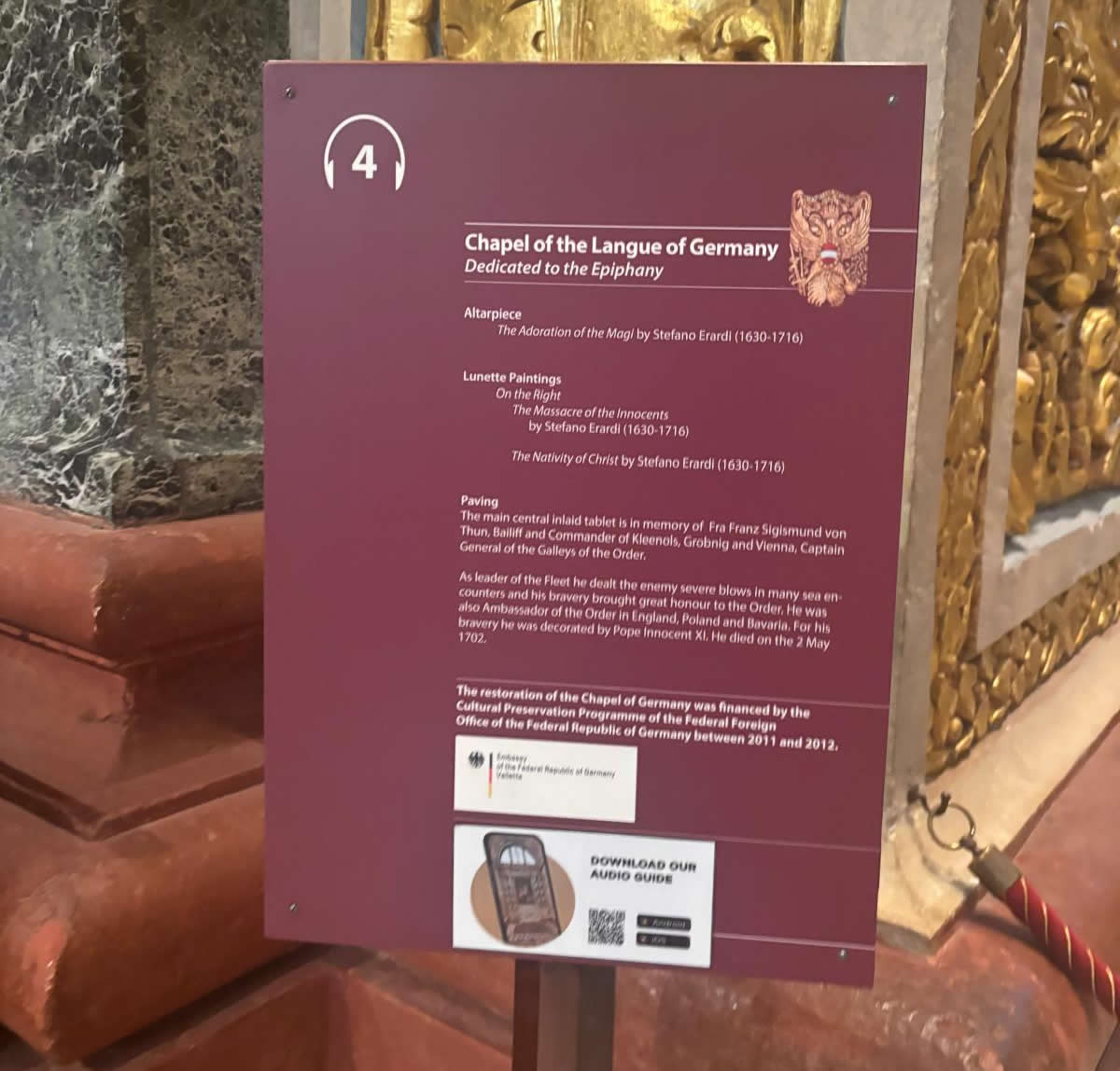
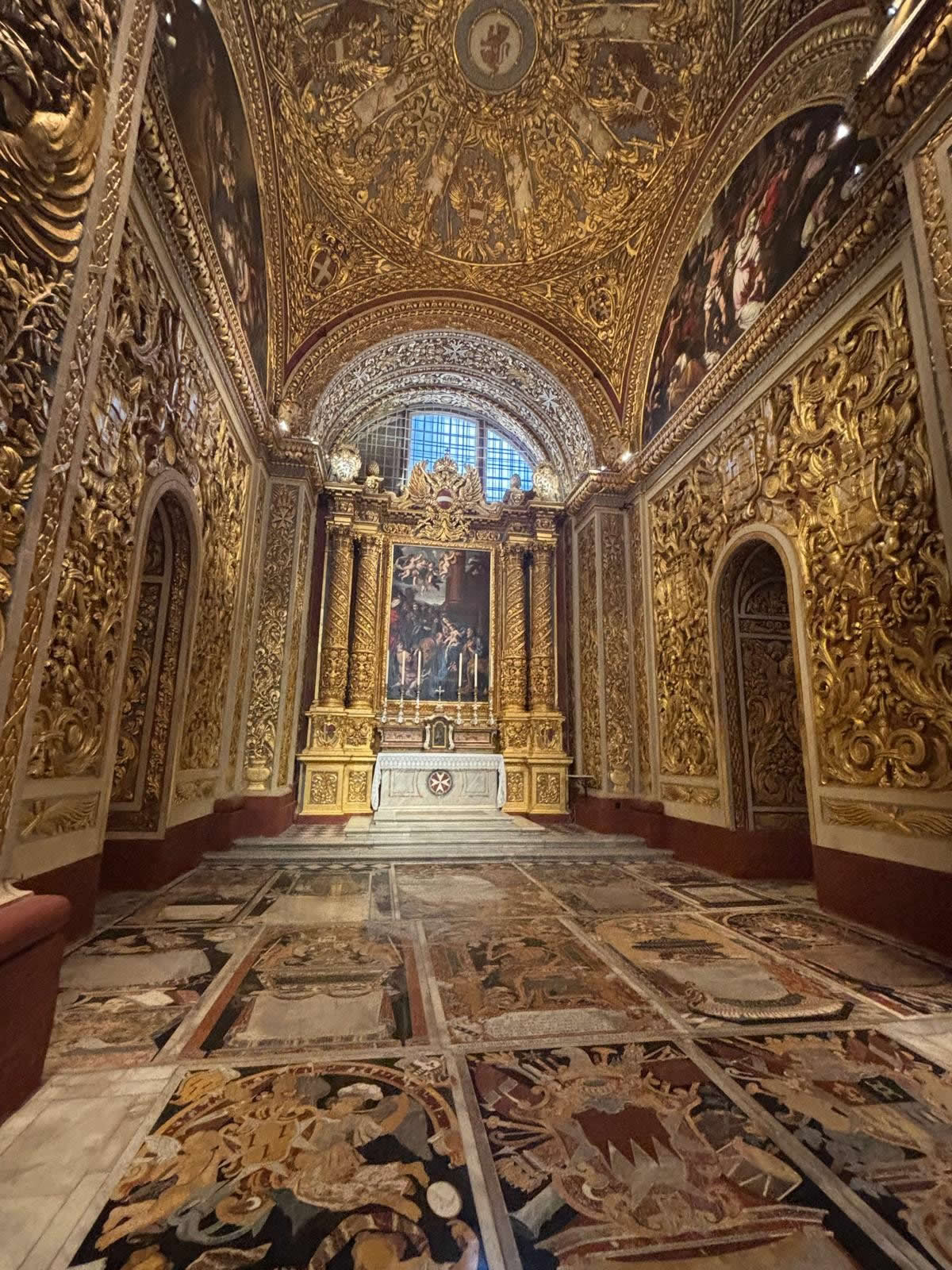
The Chapel of the Langue of Germany is one of the richly decorated side chapels within St John’s Co-Cathedral in Valletta, Malta. It represents the German-speaking knights of the Order of St John, known as the Langue of Germany, who formed one of the principal divisions of the Knights Hospitaller.
Although less prominent than some of the other chapels, it remains an important part of the cathedral’s historical and artistic ensemble.
The Langue of Germany
The Knights Hospitaller were organised into “Langues,” or linguistic divisions, each representing a specific region of Europe. The Langue of Germany included knights from German-speaking territories, as well as Central and Eastern Europe.
Members of this Langue played a crucial role in the military and administrative functions of the Order.
Historical Development
St John’s Co-Cathedral was constructed between 1572 and 1577 following the Great Siege of Malta. The side chapels were subsequently assigned to the different Langues.
The Chapel of Germany developed over time, particularly during the 17th century when the interior of the cathedral was transformed into a Baroque masterpiece.
Architectural Features
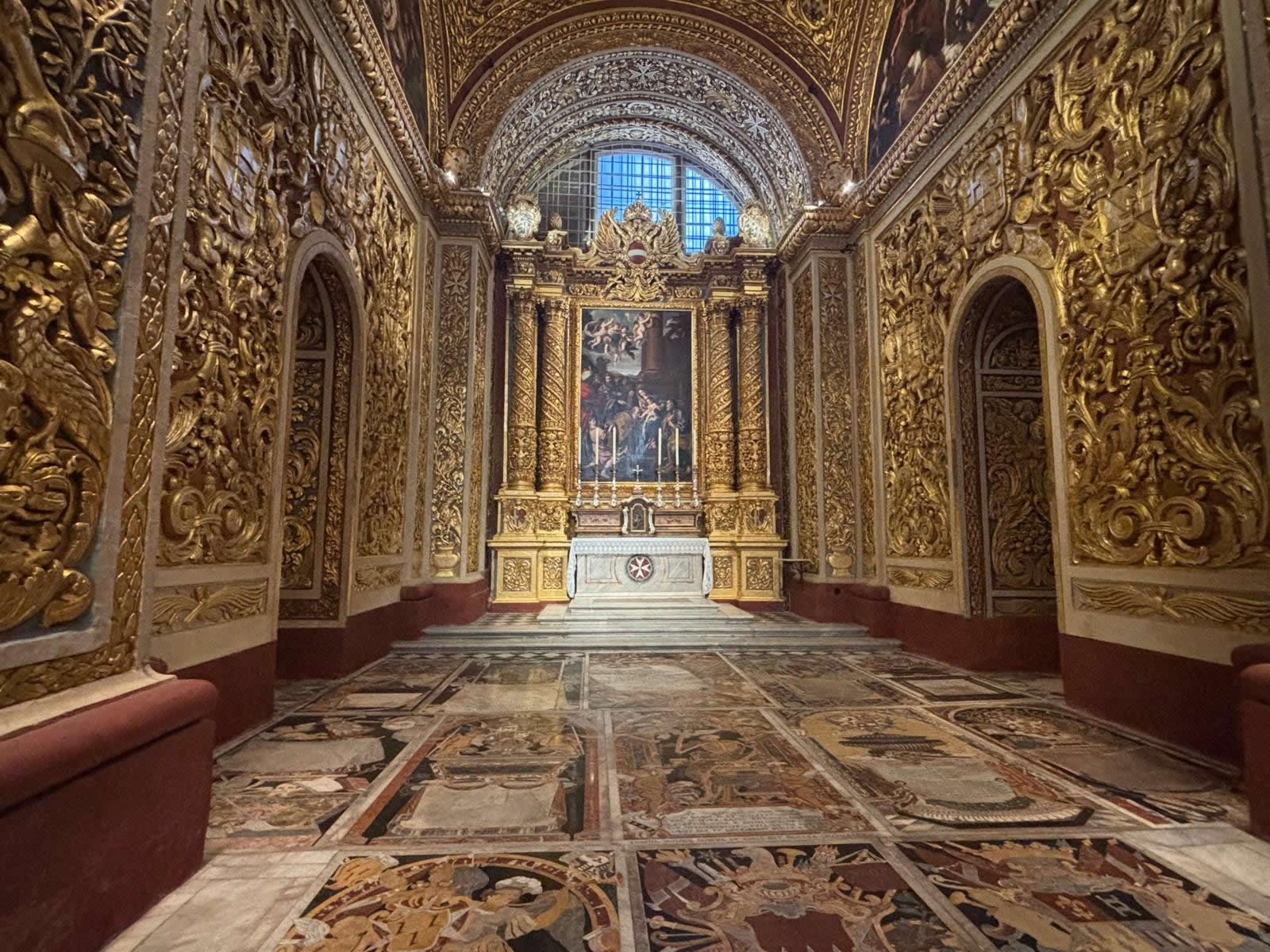
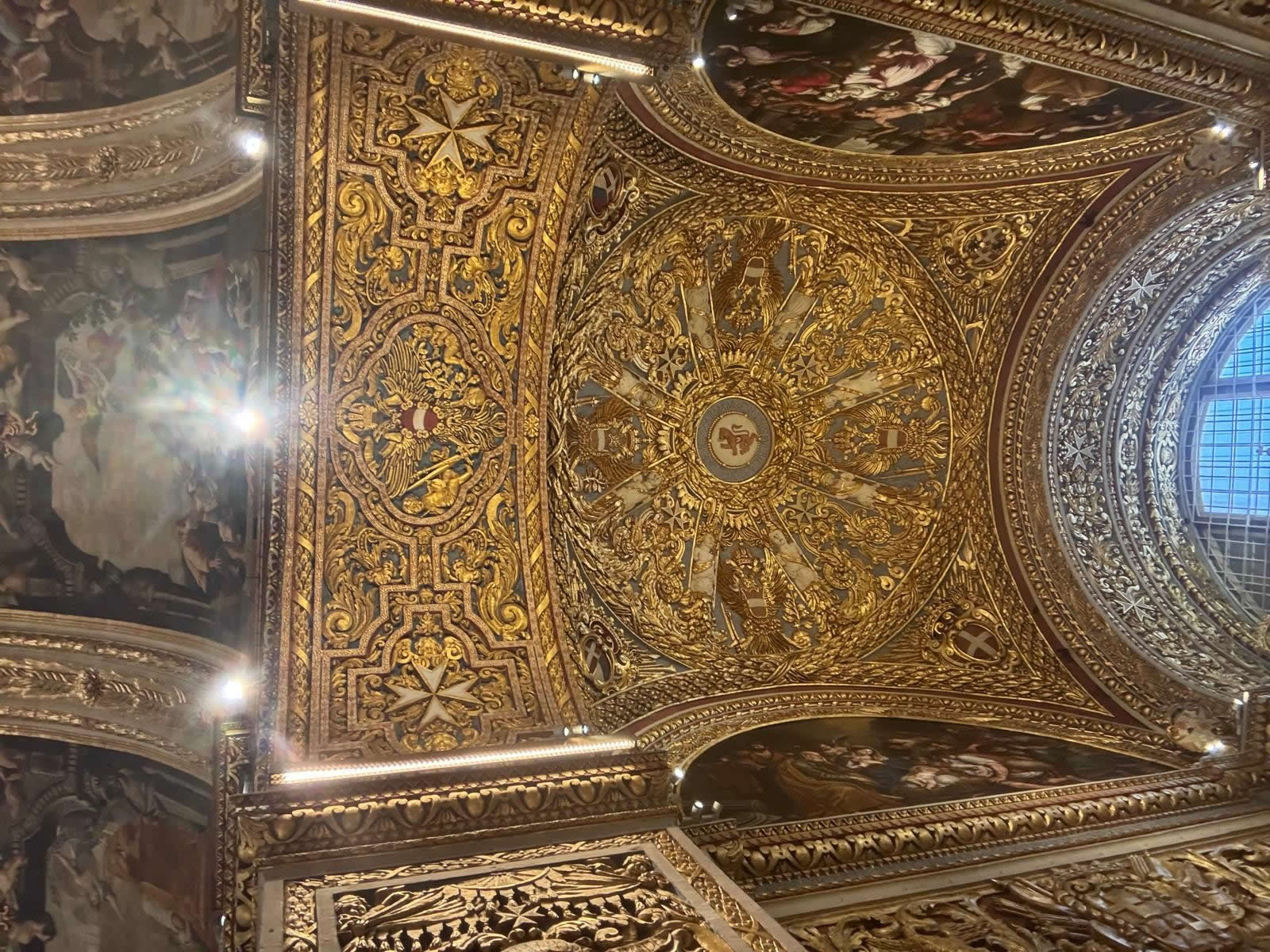
The chapel reflects the overall Baroque style of the cathedral, with elaborate decoration, sculptural elements, and intricate detailing.
Key features include:
- Decorative stonework and carved ornamentation
- Baroque altar design
- Use of marble and gilded elements
These elements create a visually rich environment characteristic of the cathedral’s interior.
Artworks
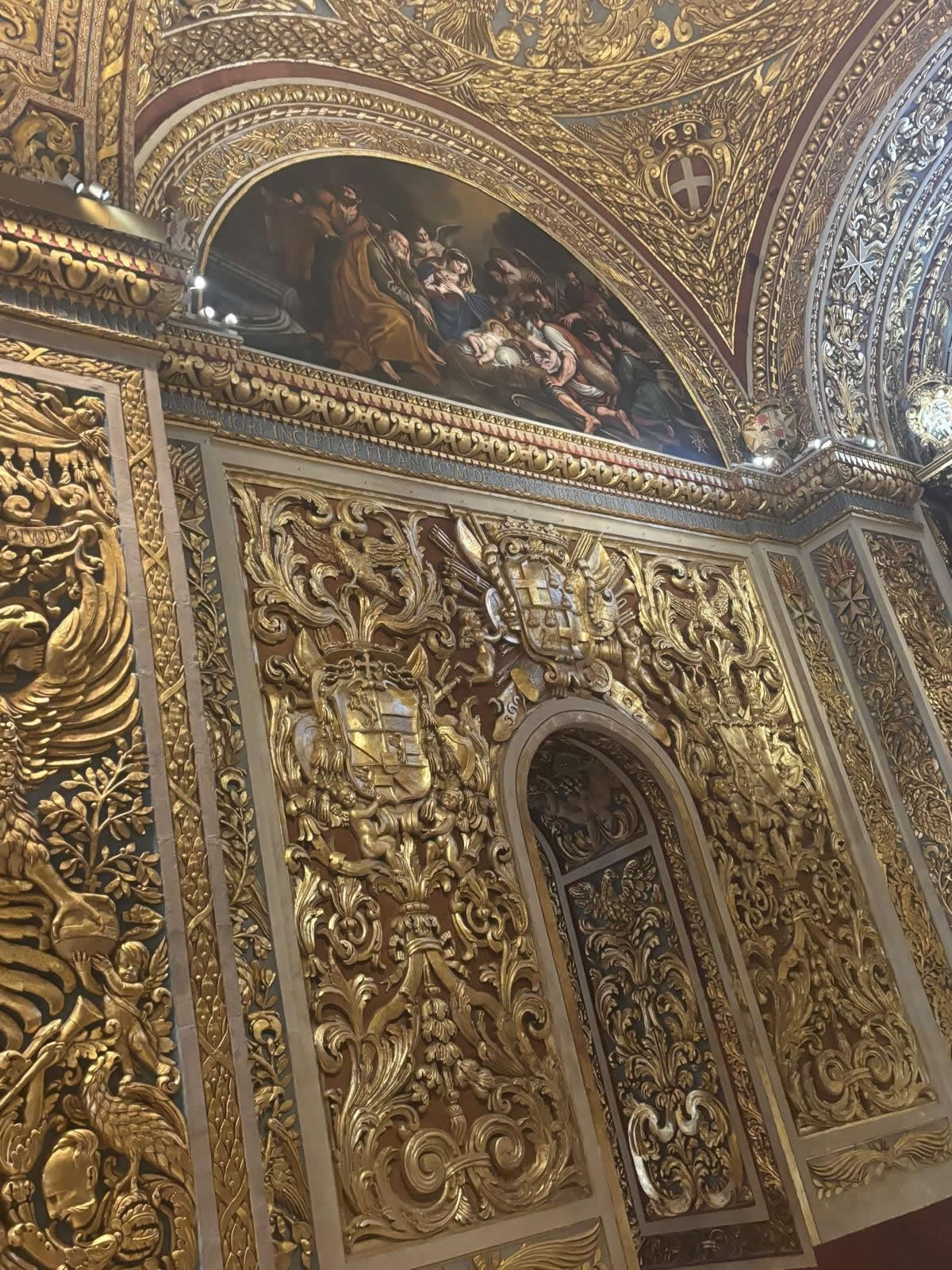
The chapel contains religious artworks associated with the German Langue. These may include paintings depicting saints or themes connected to the Order.
The artistic programme reflects both the spiritual mission of the Knights and their cultural background.
Tombs and Memorials
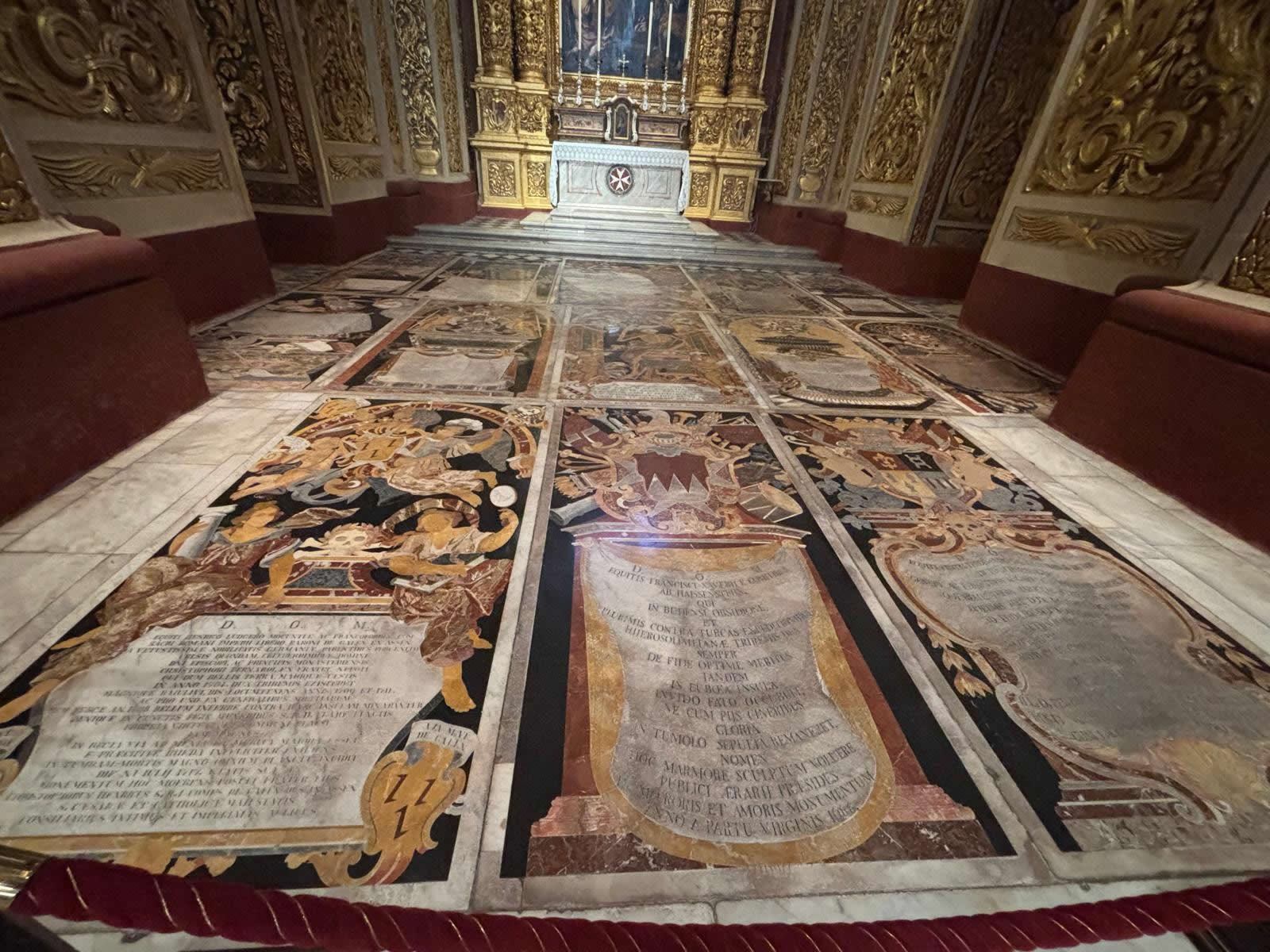
Like other chapels within St John’s Co-Cathedral, the Chapel of Germany contains tombs and memorials dedicated to knights of the Order.
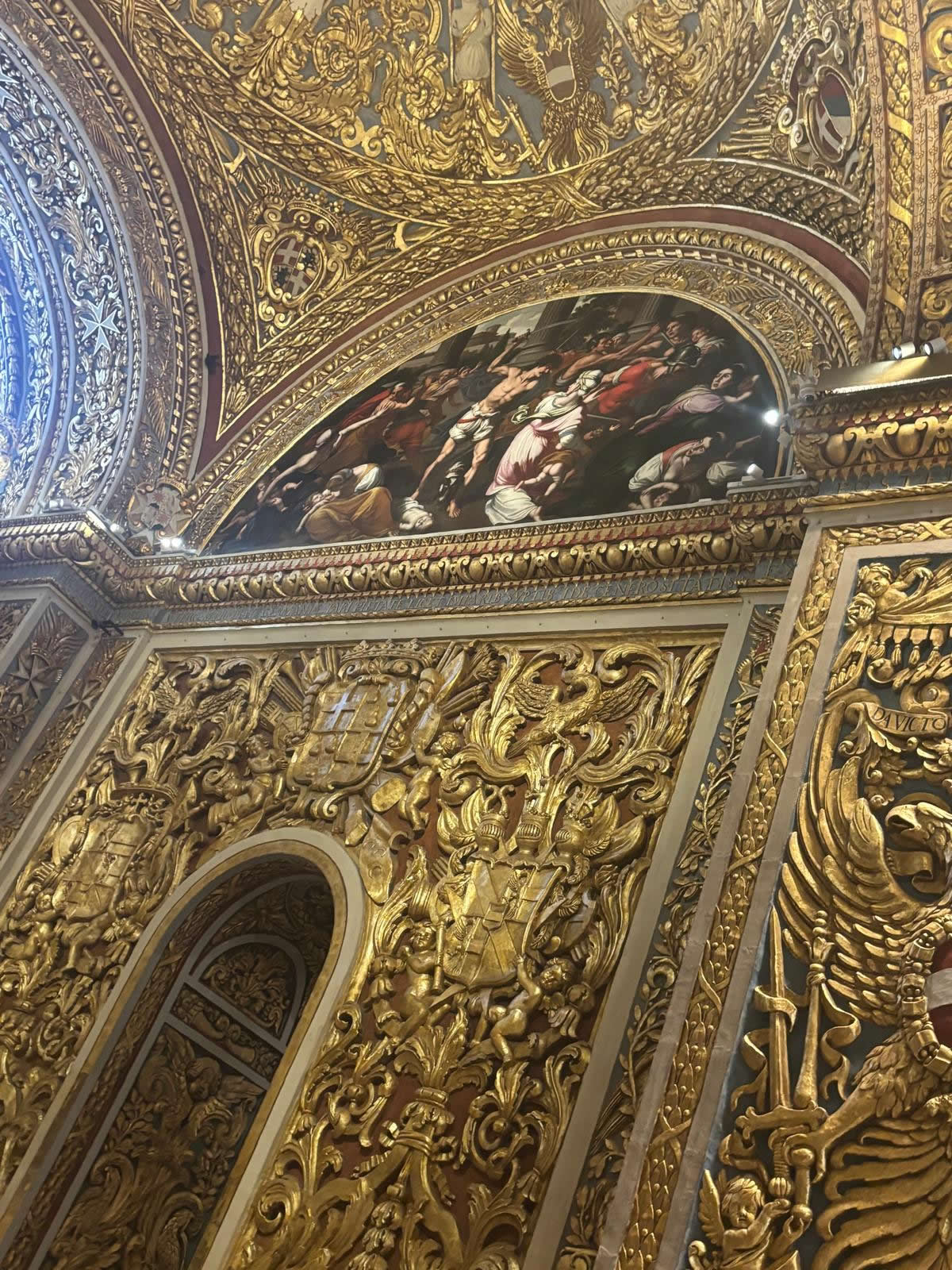
These tombs are often richly decorated, featuring heraldic symbols, inscriptions, and intricate marble work.
Who is Buried in the Chapel of the Langue of Germany
The list of individuals buried here are:
- Frà Franz Anton von Schönau
- Frà Ferdinand von Stadel
- Frà Franz Sebastian von Wratislaw
- Johann Sigismund von Schaesberg
- Heinrich Ludger von Galen
- Frà Franz Sigismund von Thun
- Frà Wolffgang Philipp von und zu Guttenberg
- Frà Franz Xavier von Hassenstein
- Frà Christian von Osterhausen
- Frà Hermann von Beveren
- Frà Ferdinand Korff gen. Schmising
- Frà Leopold Ignatz Sauer von und zu Ankenstein
- Frà Philipp Wilhelm von Nesselrode
Religious Function
The chapel served as a place of worship for members of the German Langue. It was used for prayer, Mass, and commemorative ceremonies.
Its dedication reflects the importance of religion in the daily life of the Knights Hospitaller.
Baroque Transformation
During the 17th century, under the patronage of various Grand Masters, the interior of St John’s Co-Cathedral was transformed into a Baroque masterpiece. The Chapel of Germany was part of this transformation.
The addition of rich decoration and artistic elements enhanced its visual and spiritual impact.
Modern Significance
Today, the chapel forms part of one of Malta’s most important cultural and historical sites. Visitors to St John’s Co-Cathedral can explore the chapel as part of their experience of the building.
It continues to attract those interested in history, art, and architecture.
Conclusion
The Chapel of the Langue of Germany is a testament to the diverse origins of the Knights Hospitaller and their lasting legacy in Malta.
Through its architecture, artworks, and historical significance, it remains an integral part of St John’s Co-Cathedral and a valuable piece of Malta’s heritage.
Frequently Asked Questions
What is the Langue of Germany?
It was a division of the Knights Hospitaller representing German-speaking regions.
Where is the chapel located?
Inside St John’s Co-Cathedral in Valletta.
What can visitors see?
Baroque decoration, tombs, and religious artworks.