Chapel of the Langue of France – St John’s Co-Cathedral, Valletta
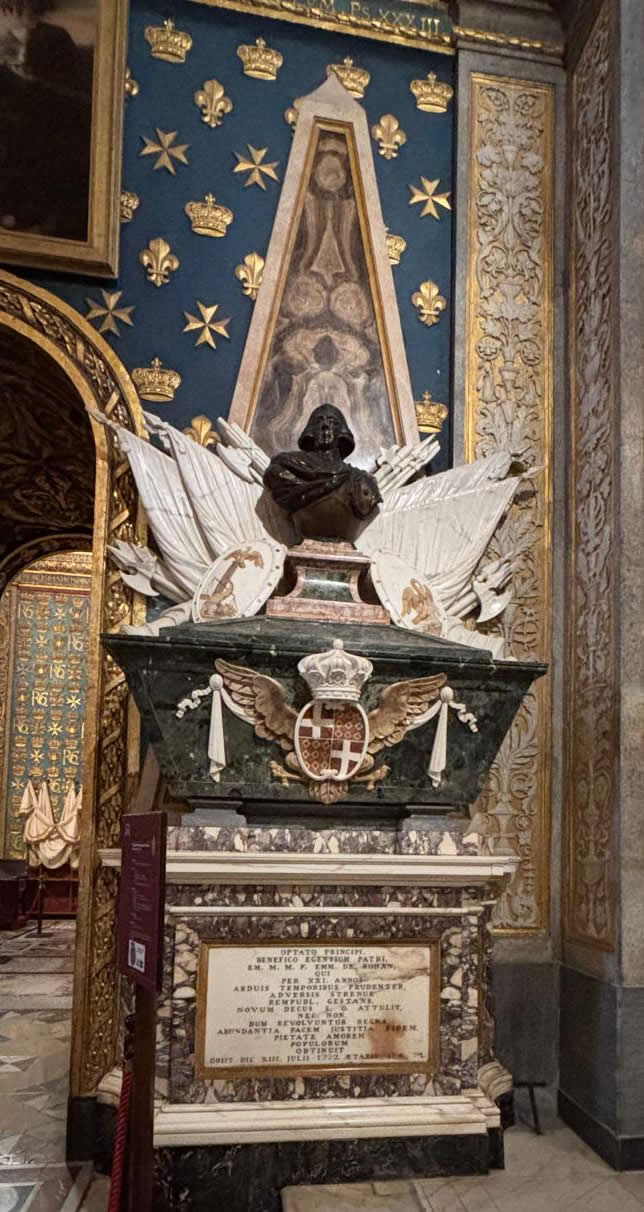
Grand Master Frà Emmanuel de Rohan-Polduc was one of the most influential reformers in the later history of the Order of St John in Malta. Serving as Grand Master from 1775 to 1797, his leadership marked a period of legal reform, institutional modernisation, and cultural development. Today, he is buried in the Chapel of the Langue of France within St John’s Co-Cathedral in Valletta, a fitting resting place reflecting both his noble French origins and his importance within the Order.
Early Life and Noble Heritage
Emmanuel de Rohan was born on 18 April 1725 in Paris, France, into the prestigious House of Rohan, one of the most powerful noble families in Europe. His lineage connected him to high-ranking aristocrats and influential figures within the French court.
He joined the Order of St John at a young age, entering the Langue of France. From the beginning of his career, he demonstrated strong administrative and leadership abilities, as well as a commitment to the Order’s mission.
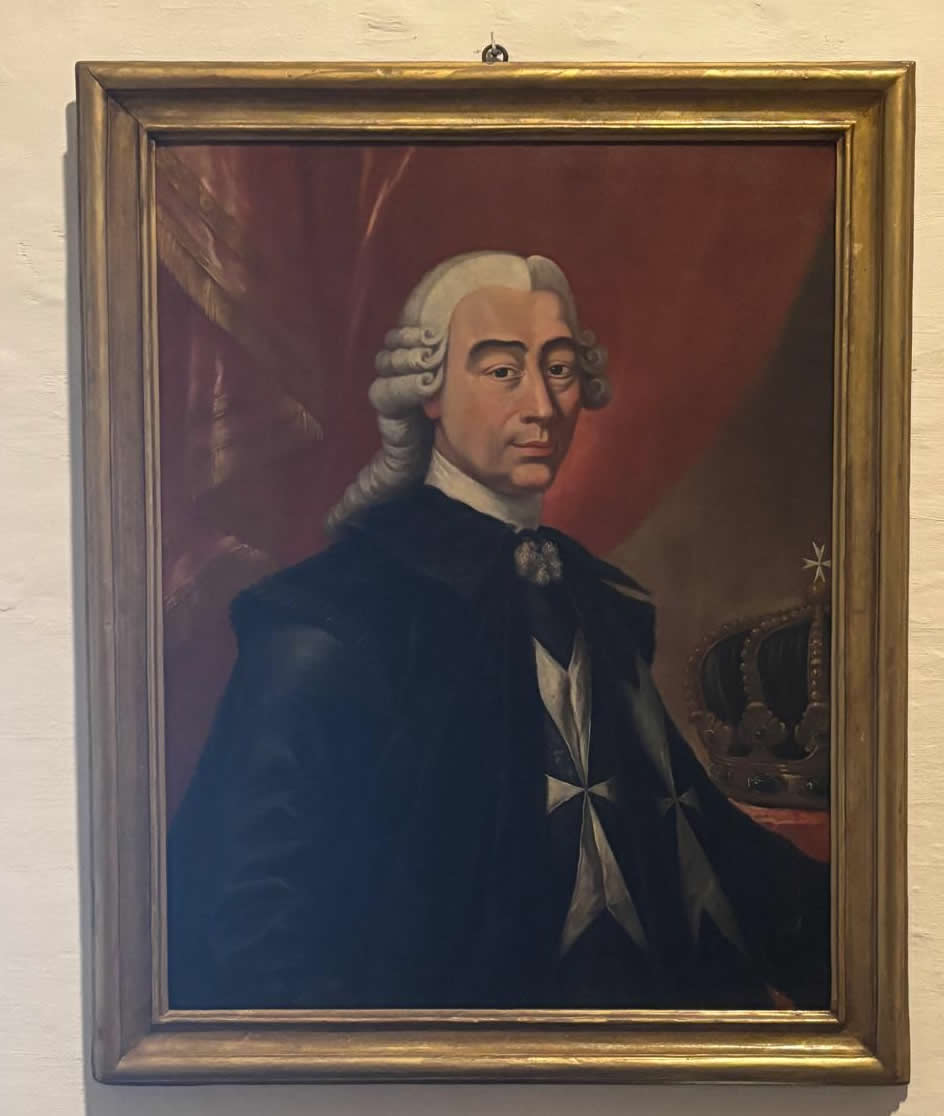
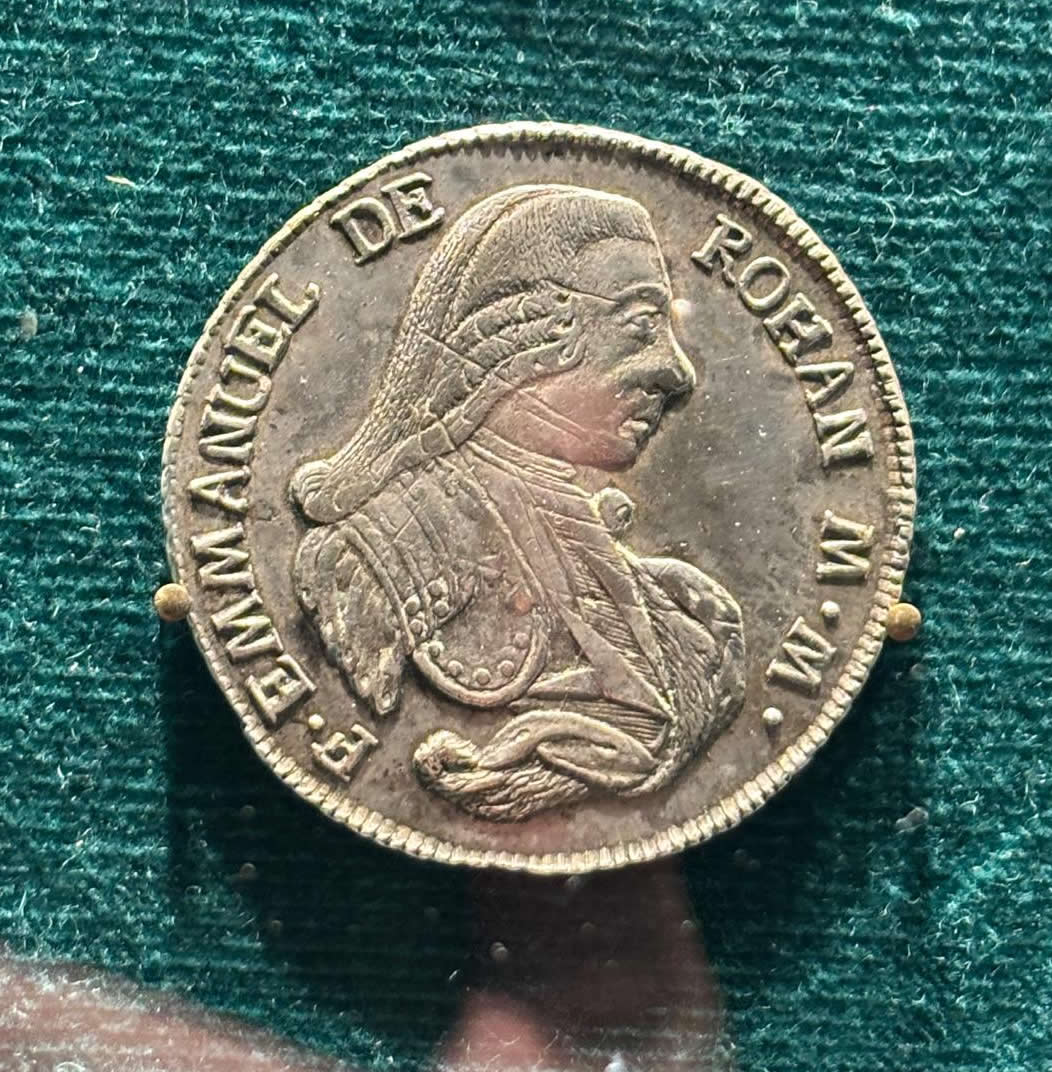
in the Wignacourt Museum, Rabat
Rise within the Order of St John
Before becoming Grand Master, de Rohan held several important positions within the Order. He served in both military and administrative roles, gaining experience in governance, diplomacy, and naval affairs.
His steady rise through the ranks reflected his competence and the respect he commanded among the Knights.
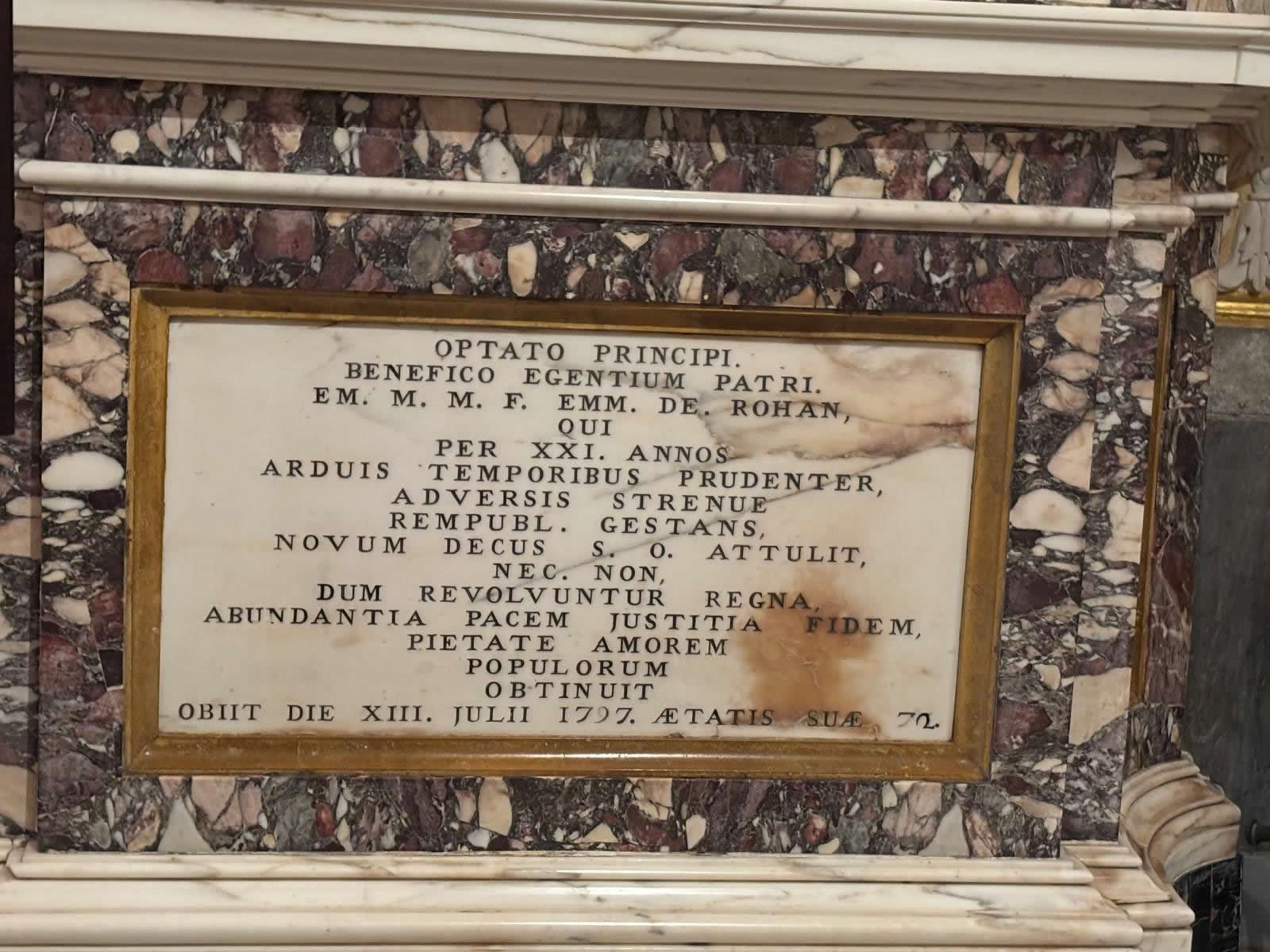
Tomb Inscription
Grand Master Emmanuel de Rohan (†1797)
Latin Inscription (as on the tomb)
OPTATO PRINCIPI.
BENEFICO EGENTIUM PATRI.
EM. M. M. F. EMM. DE ROHAN,
QUI
PER XXXI ANNOS
ARDUIS TEMPORIBUS PRUDENTER,
ADVERSIS STRENUE
REMPUBL. GESTANS,
NOVUM DECUS S.O. ATTULIT,
NEC NON,
DUM REVOLVUNTUR REGNA,
ABUNDANTIA PACEM JUSTITIAM FIDEM,
PIETATE AMOREM
POPULORUM
OBTINUIT.
OBIIT DIE XIII. JULII 1797. AETATIS SUAE 72.
English Translation
To a most desired prince,
a benefactor, a father to the needy.
To Emmanuel de Rohan,
Grand Master,
who for 31 years,
in difficult times acted with prudence,
and in adversity with courage,
governing the state,
brought new honour to the Order;
and moreover,
while kingdoms were in turmoil,
he secured abundance, peace, justice, and faith,
and through piety gained the love
of the people.
He died on the 13th day of July 1797,
aged 72.
Election as Grand Master (1775)
Frà Emmanuel de Rohan was elected Grand Master on 12 November 1775, succeeding Francisco Ximénez de Texada. His election came during a period of relative peace but growing internal challenges within the Order.
By the late 18th century, the Order of St John faced financial difficulties, declining military relevance, and increasing pressure from changing political dynamics in Europe.
The Code de Rohan – A Landmark Reform
One of de Rohan’s most significant achievements was the introduction of the Code de Rohan in 1784. This comprehensive legal code reformed Malta’s legal system, modernising laws and creating a more structured and consistent framework for governance.
The Code de Rohan addressed a wide range of issues, including civil law, criminal law, and administrative procedures. It represented one of the most important legal reforms in Maltese history and remained influential even beyond the period of the Knights.
This reform demonstrates de Rohan’s vision as a modernising leader who sought to adapt the Order to the changing realities of the late 18th century.
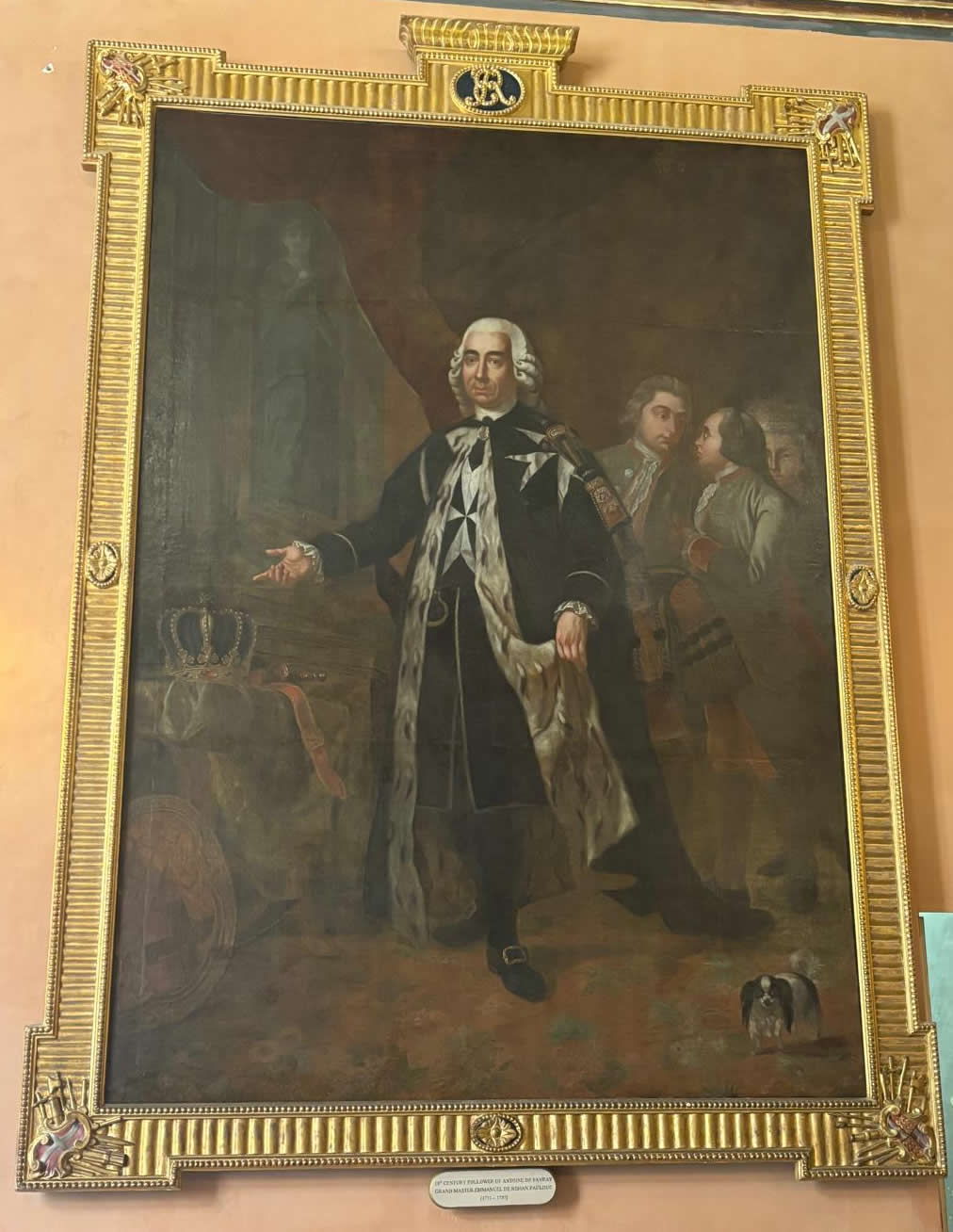
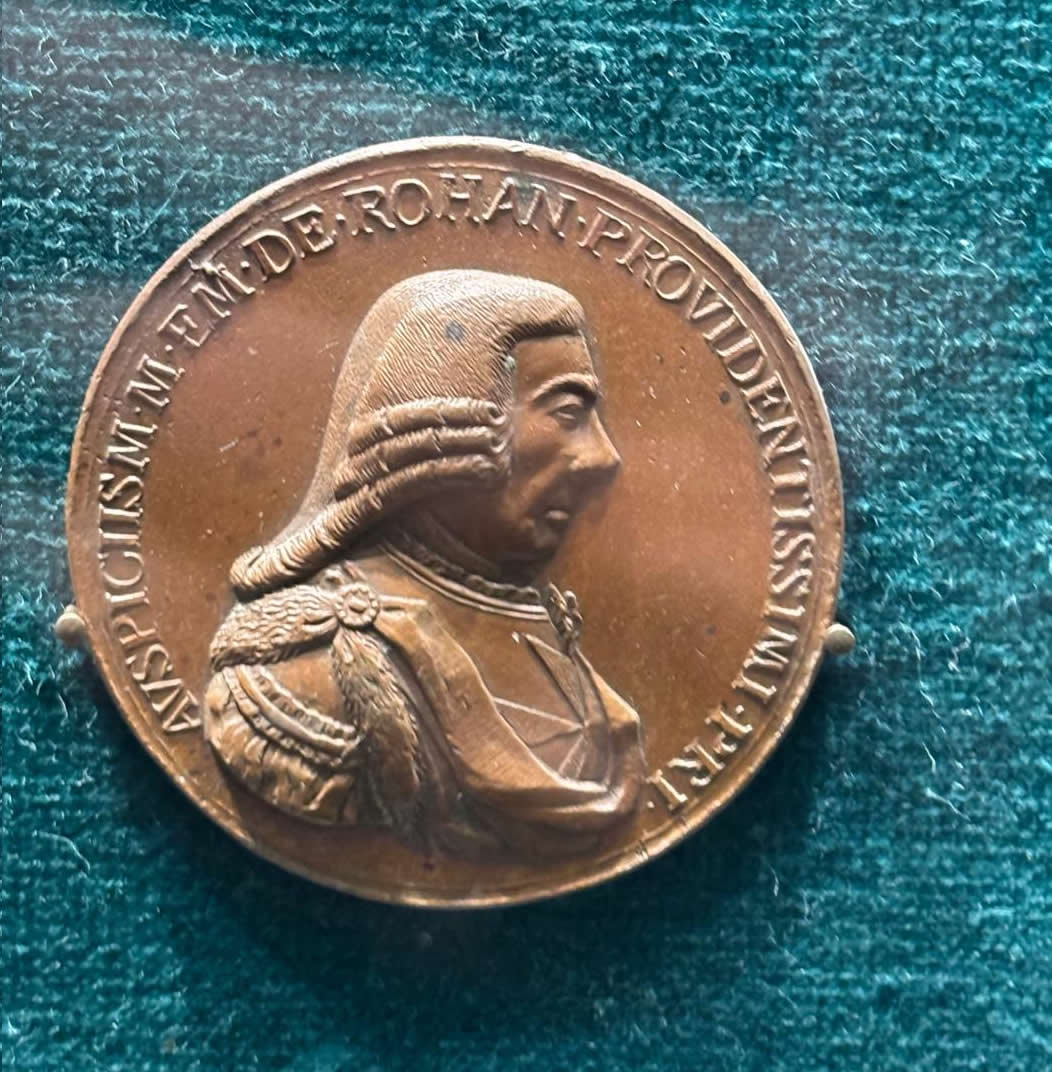
in the Grand Masters Palace, Valletta
Economic and Institutional Reforms
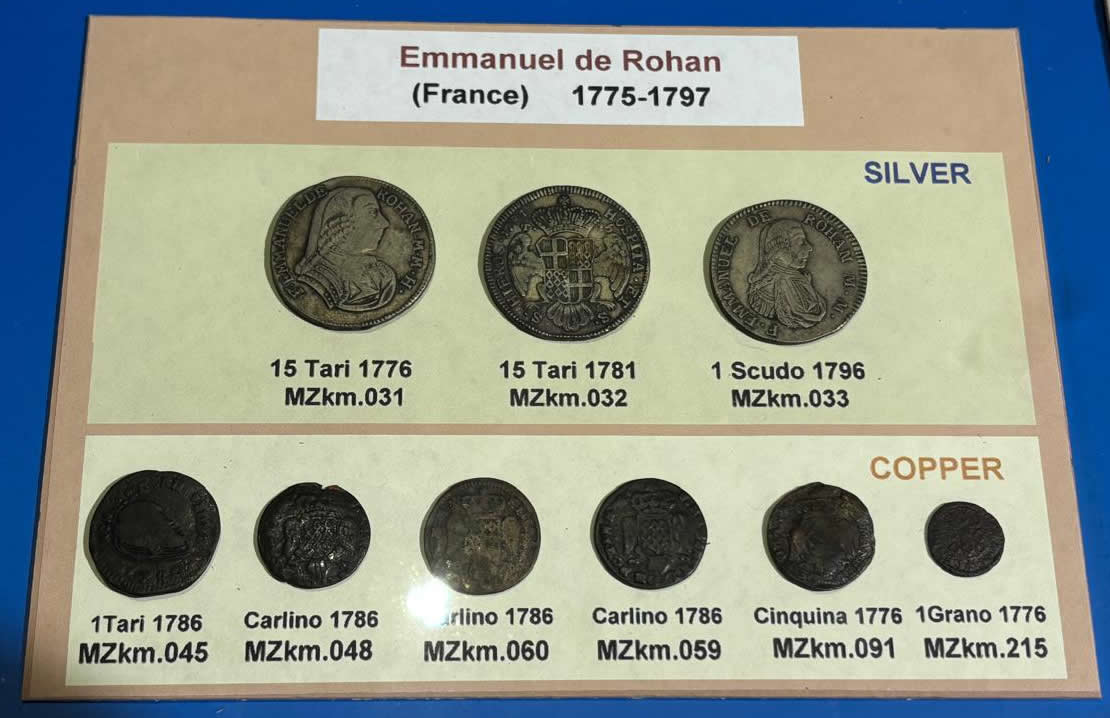
In addition to legal reform, de Rohan implemented measures aimed at improving the financial stability of the Order. He worked to reorganise administrative structures, reduce inefficiencies, and strengthen the economic foundations of Malta.
His policies helped stabilise the island during a time when many European institutions were facing upheaval.
Cultural and Architectural Contributions
De Rohan also contributed to the cultural development of Malta. Under his leadership, Valletta continued to flourish as a centre of Baroque art and architecture.
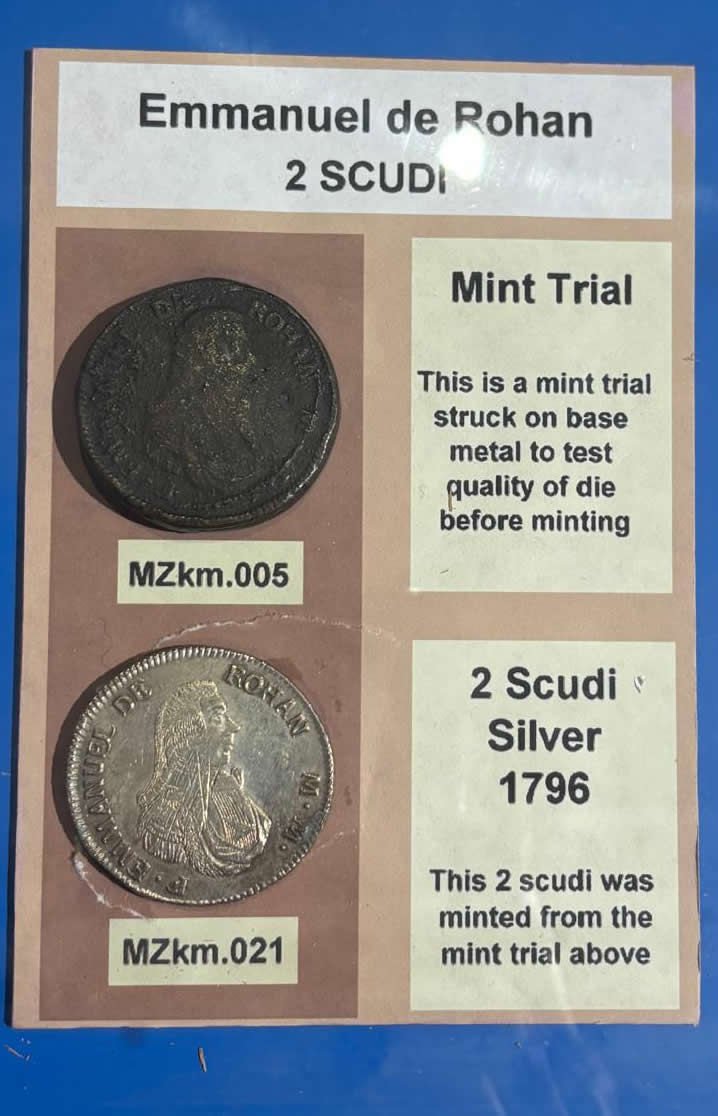
He supported artistic projects, religious institutions, and public works, reinforcing the Order’s identity as both a military and cultural power.
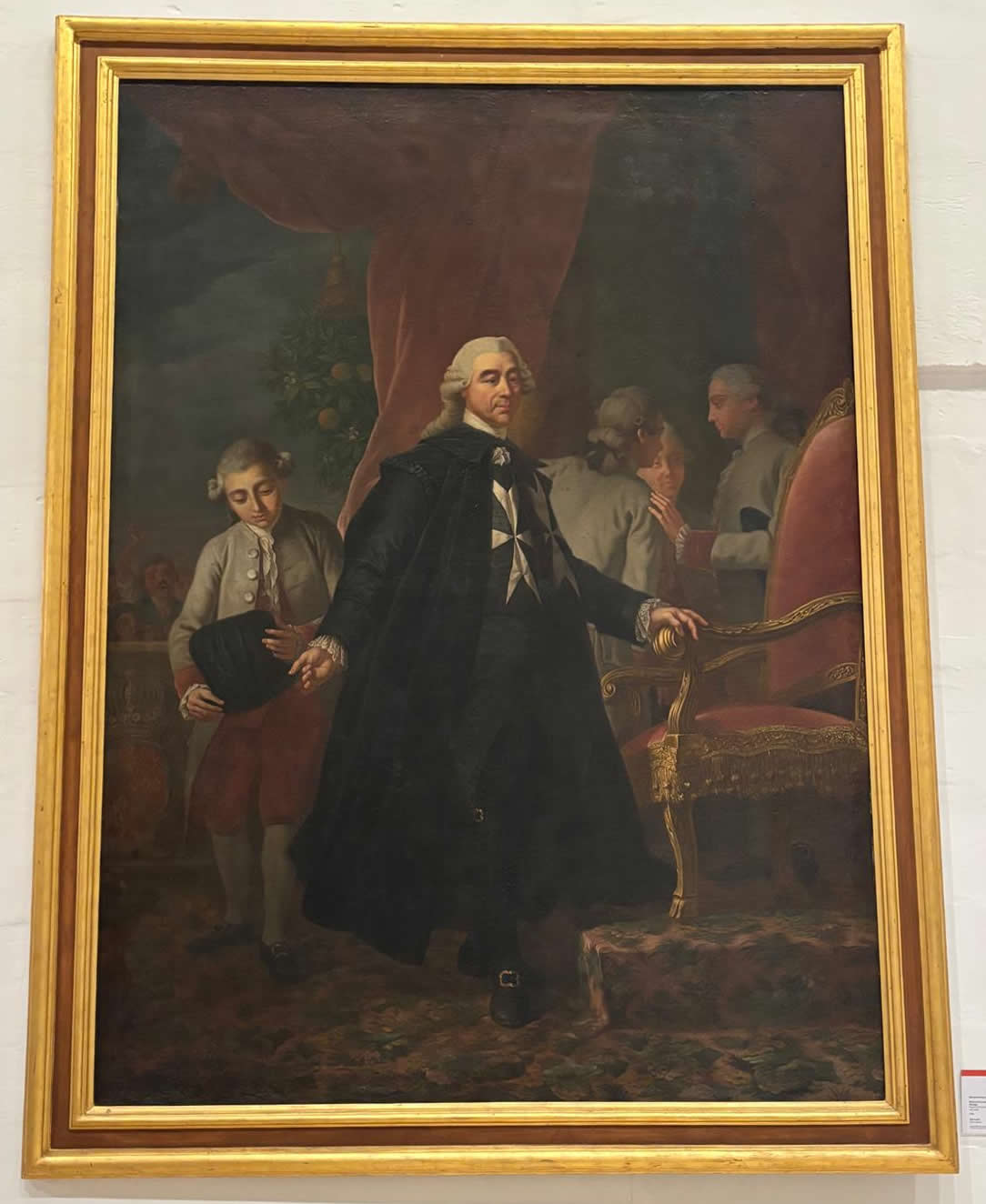
in the MUŻA - The National Community Art Museum, Valletta
The Chapel of the Langue of France
The Chapel of the Langue of France is one of the richly decorated side chapels within St John’s Co-Cathedral. Each chapel in the cathedral is dedicated to one of the Langues (national divisions) of the Order, reflecting its international character.
The French Chapel is associated with the Langue of France, one of the most influential groups within the Order. It is adorned with Baroque decoration, religious artworks, and funerary monuments commemorating distinguished members.
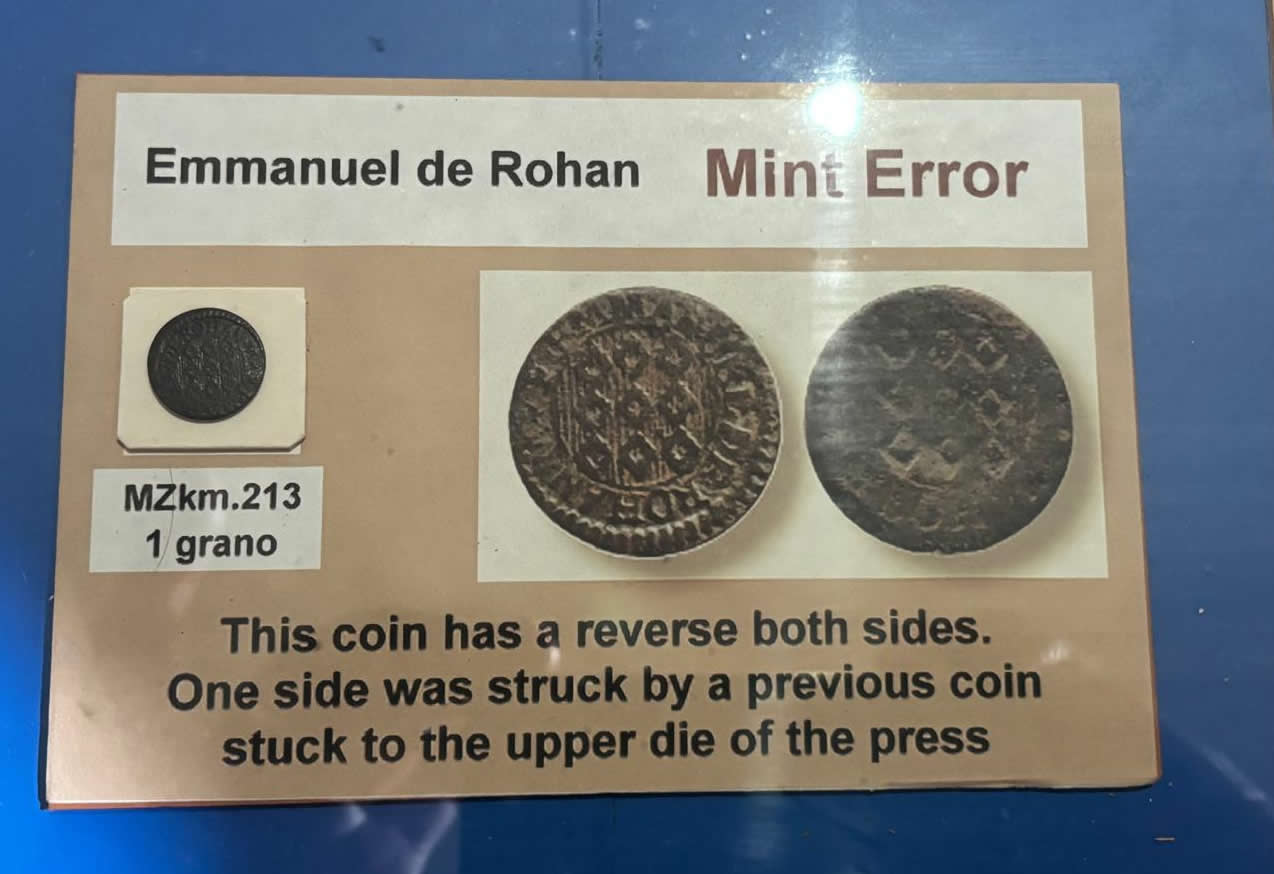
De Rohan’s burial in this chapel reflects his identity as a French nobleman and his prominent role within the Langue.
Death and Burial (1797)
Grand Master Emmanuel de Rohan died on 14 July 1797 at the age of 72. His death came just one year before the French invasion of Malta in 1798, which would bring an end to the Knights’ rule on the island.
He was buried in the Chapel of the Langue of France in St John’s Co-Cathedral, rather than in the Grand Masters’ Crypt. By the late 18th century, burial practices had shifted, with Grand Masters often commemorated within individual chapels.
The Tomb of Emmanuel de Rohan
The tomb of de Rohan is an elegant monument that reflects the artistic and symbolic traditions of the late Baroque period. It typically includes:
- Heraldic elements representing the House of Rohan
- Latin inscriptions commemorating his life and achievements
- Religious symbolism reflecting the Order’s spiritual mission
His tomb forms part of the broader artistic programme of the cathedral, where architecture, sculpture, and history combine to create one of Malta’s most remarkable cultural landmarks.
The Final Years of the Order in Malta
De Rohan’s reign represents one of the last periods of stability for the Order of St John in Malta. Although he implemented significant reforms, the Order faced growing challenges from external political forces.
The French Revolution and the rise of Napoleon would soon disrupt the balance of power in Europe. Just one year after de Rohan’s death, Malta would fall to French forces, marking the end of nearly three centuries of Hospitaller rule.
Legacy of Emmanuel de Rohan
Grand Master Emmanuel de Rohan is remembered as a reformer and moderniser who sought to strengthen the Order during a time of transition. His introduction of the Code de Rohan remains one of his most enduring contributions to Maltese history.
His legacy can be summarised as:
- A visionary legal reformer
- A stabilising leader in a time of change
- A patron of culture and architecture
- A key figure in the final decades of the Knights’ rule in Malta
Connection to St John’s Co-Cathedral
St John’s Co-Cathedral remains the central monument of the Knights of Malta, and the Chapel of the Langue of France is one of its most significant spaces. De Rohan’s burial there reflects both his personal heritage and his importance within the Order.
👉 Explore more: St John’s Co-Cathedral Guide
Frequently Asked Questions
Who was Emmanuel de Rohan?
He was Grand Master of the Order of St John from 1775 to 1797.
What is the Code de Rohan?
It was a major legal reform introduced in 1784 that modernised Malta’s legal system.
Where is he buried?
He is buried in the Chapel of the Langue of France in St John’s Co-Cathedral.
When did he die?
He died on 14 July 1797.
Why is he important?
He was one of the last reforming Grand Masters before the fall of Malta to the French.